Many buyers think that the biggest laser always gives the best result. I often see the opposite problem. Shops pay too much for power they do not use, then struggle with high running costs and low machine use.
For most sheet-metal shops, I recommend a 2D fiber laser cutting machine. It offers fast cutting, clean edges, and low operating cost for carbon steel, stainless steel, and aluminum. I match laser power, bed size, assist gas, and loading options to the real job mix, not only the thickest plate on a sales sheet.
When I speak with distributors, fabricators, and OEM buyers, I start with the materials they cut every day. I also ask about thickness, order volume, labor cost, and future growth plans. A fiber laser cutter should support the shop’s real production work. It should not become an expensive machine that only looks impressive in a showroom.

What laser can cut sheet metal?
Many shops still use plasma cutting, waterjet cutting, mechanical shearing, or older CO2 laser systems. These methods can work, but they may create slower production, rougher edges, higher maintenance needs, or more finishing work.
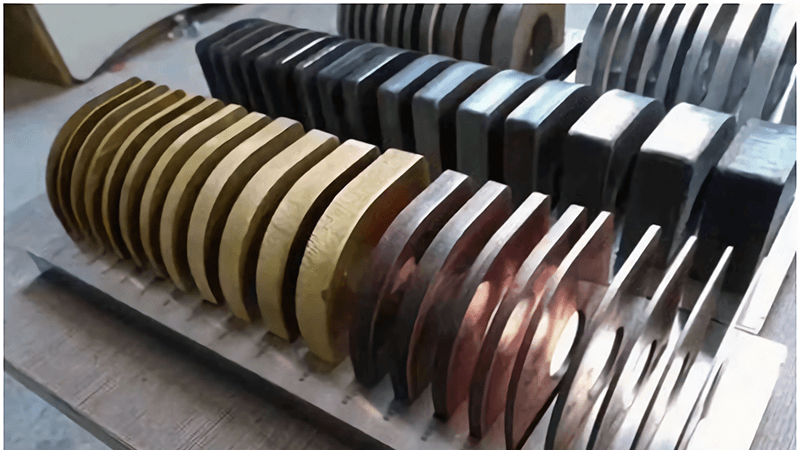
For most metal fabrication work, I recommend a fiber laser cutting machine for sheet metal. A 2D fiber laser cutter is the best fit for cutting carbon steel, stainless steel, aluminum, galvanized steel, brass, and copper. It gives fast cutting speed, good edge quality, low power use, and strong repeatability.
Why I Usually Recommend Fiber Laser Technology
I recommend fiber laser technology because it matches the needs of many modern sheet-metal shops. The laser beam is strong, stable, and easy to control. The machine can cut detailed parts, small holes, sharp corners, and repeat production orders with high consistency1.
Older CO2 laser machines can still cut sheet metal. However, they often need more maintenance and use more energy. Their mirrors and optical path also need regular adjustment. A fiber laser cutting machine uses a different beam delivery system. This design reduces some routine maintenance work and helps the shop keep the machine running longer.
I also see that fiber lasers offer better business value for distributors. A distributor can sell the machine to metal shops, cabinet makers, automotive suppliers, electrical enclosure producers, HVAC companies, and general fabrication businesses. One machine can serve many markets.
| Cutting Method | Best Use | Main Advantage | Main Limitation |
|---|---|---|---|
| Fiber laser cutting machine | Sheet metal production | Fast speed and clean edges | Higher starting investment |
| CO2 laser cutter | Mixed materials and older production lines | Can cut some non-metals | Higher maintenance and energy use |
| Plasma cutter | Thick carbon steel work | Lower machine cost | Rougher edges and more slag |
| Waterjet cutter | Heat-sensitive materials | No heat affected zone | Slower cutting and higher operating cost |
| Mechanical shear | Straight cuts only | Simple and fast for basic sheets | Cannot cut complex shapes |
How I Match the Machine to the Job Mix
I do not choose a machine only by looking at maximum cutting thickness. I look at what the customer cuts most often. A shop that mostly cuts 1 mm to 6 mm stainless steel needs a different machine than a shop that cuts 10 mm to 20 mm carbon steel every day.
For thin sheet metal, cutting speed matters most. A higher-power laser may help the shop move faster, especially when the shop has a large number of repeat orders. For thicker carbon steel, the cutting process may need oxygen assist gas. For stainless steel and aluminum, the machine often uses nitrogen to protect the edge and reduce oxidation2.
I also consider the worktable size. A 1500 × 3000 mm bed is common for many fabrication shops. A 2000 × 6000 mm machine may be better for larger sheets and higher production volume. I also discuss automatic loading systems when labor cost is high or when the shop runs long shifts.
My View on the Best Entry Point
For many buyers, a 1500W to 3000W fiber laser cutting machine is a practical starting point. It can cover a wide range of common sheet-metal work. It also gives distributors a product that is easier to sell to small and medium metal shops.
I once helped a sheet-metal distributor whose customers complained about slow cutting and rough stainless steel edges. Many of those customers still used older cutting methods. After the distributor introduced a fiber laser cutting machine, those customers could cut faster, reduce rework, and take more orders without adding extra labor. The distributor found that the machine became easier to sell because customers could see the value in daily production.

How thick will a 3000W laser cut?
A 3000W fiber laser cutter is often one of the most balanced choices for sheet-metal fabrication. It has enough power for fast thin-sheet cutting, and it can also handle many medium-thickness steel jobs. Still, I never describe its cutting ability with one fixed number.
A 3000W fiber laser cutting machine can typically cut around 16 mm to 20 mm carbon steel with oxygen, around 8 mm to 12 mm stainless steel with nitrogen, and around 6 mm to 10 mm aluminum under suitable conditions. Actual results depend on material quality, assist gas, nozzle condition, focus setting, and cutting speed.
Why the Same 3000W Machine Can Give Different Results
I often explain to buyers that laser power is only one part of the cutting result. A 3000W source may cut one steel sheet very well, but it may struggle with another sheet that has a different surface, coating, or material grade.
Carbon steel often cuts well with oxygen. Oxygen supports the cutting reaction and helps the laser cut thicker plate.3 However, oxygen cutting can create an oxidized edge. This edge may need cleaning before welding or painting.
Stainless steel often uses nitrogen. Nitrogen protects the cut edge and gives a cleaner finish.4 However, nitrogen use can increase gas cost. The shop must also have a stable gas supply. A good gas system can affect both cutting quality and production cost.
| Material | Typical 3000W Cutting Range | Common Assist Gas | Main Cutting Goal |
|---|---|---|---|
| Carbon steel | 16–20 mm | Oxygen | Strong thick-plate cutting |
| Stainless steel | 8–12 mm | Nitrogen | Clean and bright edge |
| Aluminum | 6–10 mm | Nitrogen | Smooth cut with stable process |
| Galvanized steel | 6–10 mm | Nitrogen or oxygen | Control coating effects |
| Brass | 4–6 mm | Nitrogen | Stable cutting with good setup |
| Copper | 4–6 mm | Nitrogen | Careful setup due to reflectivity |
What I Consider Before I Recommend a 3000W Machine
I recommend a 3000W machine when a buyer needs a flexible machine for mixed sheet-metal work. It is a strong option for fabrication shops that cut thin and medium plate every day. It can also support future growth without forcing the buyer to move directly to a much higher-power system.
I ask several practical questions before I make a recommendation:
- What materials make up most of the orders?
- What thickness range appears most often?
- Does the customer need bright stainless steel edges?
- Does the customer have stable nitrogen and oxygen supply?
- Does the shop cut one shift or run longer production hours?
- Does the shop need automatic loading and unloading?
A 3000W fiber laser cutter often gives a good balance between speed, thickness range, purchase cost, and operating cost. It is not always the right choice for very thick plate. It is also not always necessary for shops that only cut very thin sheet metal. I want the buyer to invest in the power level that improves profit, not only the power level that looks strongest on paper.
Where Buyers Make Mistakes
Some buyers choose a 3000W machine because they want to cut the thickest possible steel sheet. I understand that goal, but I also remind them that maximum thickness is not the same as daily production thickness.
A machine may cut a thick sample plate in a controlled test. However, daily production needs stable speed, clean edges, repeat accuracy, and reasonable gas use. I prefer to use the normal production thickness as the main reference point.
For example, a shop that cuts 2 mm to 8 mm stainless steel all day may gain more value from a 3000W machine than a shop that only needs to cut 20 mm carbon steel once a week. The first shop needs speed and edge quality. The second shop may need more power or a different cutting method for its thick plate work.
How thick of steel can a laser cutter cut?
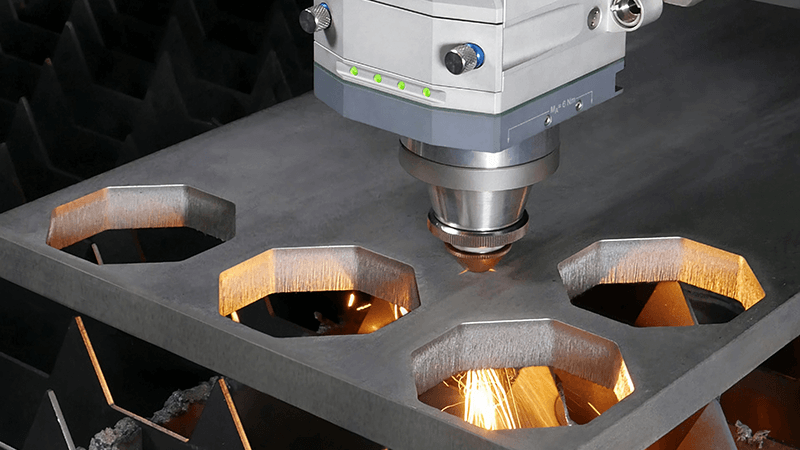
Laser cutters can cut very thin steel sheet and thick steel plate, but the answer depends on the laser source, machine design, assist gas, and production target. I do not treat every steel job as the same because carbon steel, stainless steel, and coated steel behave differently during cutting.
A fiber laser cutter can cut thin steel from less than 1 mm to more than 30 mm in some high-power systems. For regular production, I match the machine to the thickness range that makes up most of the customer’s orders. This approach gives better speed, lower cost, and more stable edge quality.
Thin Steel and Thick Steel Need Different Thinking
Thin steel cutting is usually a speed game. When a shop cuts 0.8 mm, 1 mm, 2 mm, or 3 mm sheet, the machine needs fast acceleration, stable motion, and quick piercing. The cutting head, control system, nesting software, and loading process all affect output.
Thick steel cutting is more about process control. The machine needs stable beam quality, correct focus position, good gas pressure, and proper nozzle alignment.5 The cutting speed becomes slower as thickness increases. The shop also needs to control slag, taper, and edge roughness.
| Steel Thickness Range | Typical Shop Need | Suggested Fiber Laser Power | Main Priority |
|---|---|---|---|
| 0.5–3 mm | Electrical panels, cabinets, HVAC | 1000W–2000W | High speed |
| 3–8 mm | General fabrication, enclosures, parts | 2000W–3000W | Speed and flexibility |
| 8–15 mm | Machinery parts, brackets, structural parts | 3000W–6000W | Stable medium-thick cutting |
| 15–25 mm | Heavy fabrication and industrial plate | 6000W–12000W | Thick plate performance |
| Over 25 mm | Heavy plate work | 12000W and above | Maximum thickness and output |
Carbon Steel Is Not the Same as Stainless Steel
I often see buyers use the word “steel” as if it means one material. In real production, carbon steel and stainless steel need different cutting plans.
Carbon steel can often reach greater cutting thickness because oxygen can support the cutting process. This makes oxygen cutting useful for thicker plate. The edge may have an oxide layer, so the customer may need to remove that layer before some welding or coating steps.
Stainless steel needs a cleaner process. Nitrogen helps create a bright and cleaner edge.6 However, nitrogen cutting is more demanding in gas supply and cost. Stainless steel also has higher value in many finished products, so edge quality can matter more than maximum thickness.
I help distributors explain this difference to their customers. A customer who produces stainless kitchen equipment, medical parts, food equipment, or electrical cabinets may care most about edge finish. A customer who produces heavy carbon steel brackets may care more about cutting thickness and hourly output.
Why I Focus on Repeat Work
I always ask what the customer cuts every week, not what the customer may cut once a year. A laser cutter should earn money through repeat production. It should reduce labor, improve part quality, and shorten lead times.
A shop that mainly cuts 3 mm carbon steel should not always buy a 12kW machine. That machine may be too expensive for the real workload. The buyer may spend more on the machine, electricity, gas, and service without getting enough return.
At Kirin Laser, I help OEM and distributor partners build machine packages for their market. Some markets need compact machines for small workshops. Some need larger tables and automatic loading systems. Some need higher power for industrial plate cutting. I treat the cutting thickness as one part of the full business case.
How powerful is a laser to cut steel?
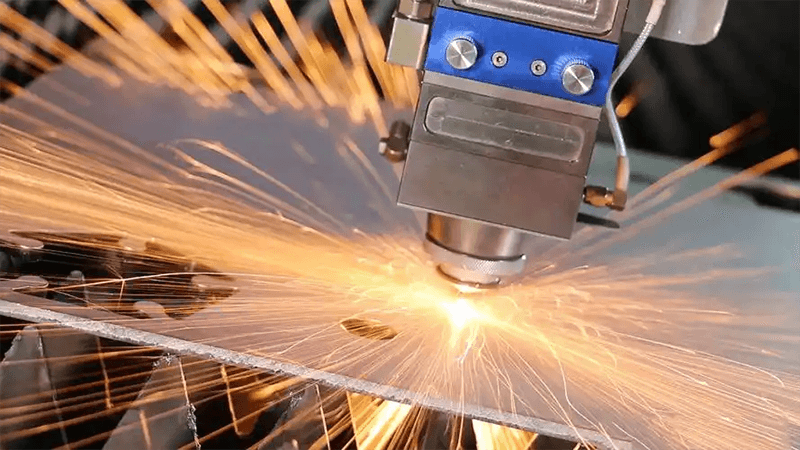
The power needed to cut steel depends on the material type, thickness, cutting speed, and expected daily output. I do not tell buyers that one power level is right for every job. A 1000W machine can cut steel. A 12000W machine can also cut steel. The best choice depends on what the shop needs to produce.
For common sheet-metal work, I usually recommend 1500W to 3000W fiber laser power. This range works well for thin and medium carbon steel, stainless steel, and aluminum. For heavy plate production, I recommend 6000W or more when the order volume supports the higher investment and running cost.
Power Changes More Than Maximum Thickness
Higher laser power can increase cutting speed, improve piercing, and support thicker material.7 However, higher power also changes the full production setup. The machine may need stronger electrical supply, better cooling, more gas capacity, and more advanced safety systems.
I also consider whether the customer has enough work to keep a high-power machine busy. A 6kW or 12kW fiber laser cutter can be very productive, but it should run enough hours to justify the investment.
| Laser Power | Best Fit | Typical Buyer Profile | Main Value |
|---|---|---|---|
| 1000W–1500W | Thin sheet metal | Small metal workshops | Lower entry cost |
| 2000W–3000W | Mixed sheet-metal work | General fabrication shops | Balanced performance |
| 4000W–6000W | Medium and thick steel | Growing industrial shops | Faster output |
| 8000W–12000W | Heavy production | Large fabrication plants | Strong thick-plate capacity |
| 12000W+ | High-volume plate cutting | Large industrial users | Maximum productivity |
I Look at Cost per Part, Not Only Power
I believe the best machine is the one that lowers cost per finished part. A buyer should look beyond the machine price. The buyer should also consider electricity, assist gas, spare parts, maintenance, operator time, loading time, and rejected parts8.
A lower-power machine may have a lower purchase price, but it may cut too slowly for a busy shop. A higher-power machine may cut faster, but it may cost too much if the shop does not have enough orders.
I often help distributors create a simple customer comparison:
- How many sheets does the customer cut each week?
- How much time does the current process take?
- How many workers handle cutting and finishing?
- How much rework comes from rough edges or wrong parts?
- How much faster can the customer deliver finished products?
This approach helps the buyer see the machine as a production tool, not only as equipment.
Why OEM Support Matters with High-Power Machines
High-power fiber laser cutting machines need stable components and clear support. The laser source, cutting head, control system, servo motors, machine frame, chiller, and gas system must work together.
At Kirin Laser, I support OEM and distributor partners who need more than a machine. They may need private labeling, custom colors, voltage options, language settings, training materials, spare parts packages, and after-sales support plans.
I know that a distributor’s reputation depends on machine performance after delivery. A strong laser cutter can help the distributor win more customers. Good technical support helps the distributor keep those customers. That is why I focus on practical machine configuration, stable quality control, and long-term cooperation.
Conclusion
For most sheet-metal shops, a 2D fiber laser cutting machine is the best choice. I usually recommend matching the machine to the real job mix, not choosing power only by maximum cutting thickness. A 3000W fiber laser cutter is often a strong balance for carbon steel, stainless steel, and aluminum work. Higher power can bring more speed and thicker cutting ability, but it also brings higher investment and operating needs. At Kirin Laser, I help distributors and industrial buyers build the right fiber laser cutting solution for their market, production needs, and long-term growth.
-
"Laser Cutting Services - UC Davis Tech Foundry", https://techfoundry.ucdavis.edu/laser-cutting. A peer-reviewed review of laser cutting describes the process as a high-precision CNC thermal cutting method capable of narrow kerfs and accurate profiles in sheet metals, supporting the general claim about detailed and repeatable cuts; performance still depends on material, power, optics, and machine setup. Evidence role: general_support; source type: paper. Supports: Fiber laser cutting machines can cut detailed parts, small holes, sharp corners, and repeat production orders with high consistency.. Scope note: Contextual support for fiber laser cutting capability, not proof of every machine’s accuracy or repeatability. ↩
-
"Laser Cutting: A Review on the Influence of Assist Gas - PMC", https://pmc.ncbi.nlm.nih.gov/articles/PMC6337310/. Laser-cutting studies and technical references describe nitrogen assist gas as an inert shielding gas for stainless steel and aluminum cutting, helping limit oxidation on cut edges; the degree of edge protection depends on gas purity, pressure, material, and cutting parameters. Evidence role: mechanism; source type: paper. Supports: For stainless steel and aluminum, fiber laser cutting often uses nitrogen to protect the edge and reduce oxidation.. Scope note: Supports the mechanism for nitrogen use, not a guaranteed edge quality result for all materials and settings. ↩
-
"Laser Cutting: A Review on the Influence of Assist Gas - PMC", https://pmc.ncbi.nlm.nih.gov/articles/PMC6337310/. Laser cutting references describe oxygen as a reactive assist gas for steel, where oxidation supplies additional heat to the cutting front and can increase cutting capability compared with inert-gas cutting under comparable power conditions. Evidence role: mechanism; source type: institution. Supports: Oxygen supports the cutting reaction and helps the laser cut thicker steel plate.. Scope note: The supported mechanism is general; achievable thickness still depends on machine design, optics, gas pressure, steel grade, and process settings. ↩
-
"How Nitrogen Prevents Oxidation in Laser Cutting (And Why It Matters)", https://nitrogen-generators.com/nitrogen-prevents-laser-cutting-oxidation/. Laser cutting literature identifies nitrogen as an inert assist gas that displaces oxygen at the cutting zone, reducing oxidation of stainless steel edges and supporting brighter, cleaner cut surfaces. Evidence role: mechanism; source type: paper. Supports: Nitrogen protects the stainless steel cut edge and gives a cleaner finish.. Scope note: The degree of edge brightness depends on nitrogen purity, pressure, nozzle condition, speed, focus, and material thickness. ↩
-
"Laser Cutting: A Review on the Influence of Assist Gas - PMC", https://pmc.ncbi.nlm.nih.gov/articles/PMC6337310/. Laser-cutting process literature identifies beam quality, focal position, assist-gas pressure, and nozzle alignment or stand-off as key variables affecting cut quality in metal plate cutting. Evidence role: mechanism; source type: paper. Supports: Thick steel cutting requires control of beam quality, focus, gas pressure, and nozzle alignment.. Scope note: The source would establish the importance of these process variables generally; it may not rank their importance for every steel grade or thickness range. ↩
-
"How Nitrogen Prevents Oxidation in Laser Cutting (And Why It Matters)", https://nitrogen-generators.com/nitrogen-prevents-laser-cutting-oxidation/. Laser-cutting references describe nitrogen as an inert assist gas for stainless steel that reduces oxidation at the cut edge and can produce a brighter, cleaner surface than oxygen-assisted cutting. Evidence role: mechanism; source type: paper. Supports: Nitrogen assist gas helps produce a cleaner, brighter edge when laser cutting stainless steel.. Scope note: The result depends on nitrogen purity, pressure, cutting parameters, and stainless grade, so the evidence supports the general effect rather than guaranteeing a specific edge finish. ↩
-
"Analysis and optimization of the piercing process in laser beam ...", https://www.sciencedirect.com/science/article/pii/S152661252100548X. Studies of laser cutting process parameters report that laser power is a primary variable affecting cut depth, cutting speed, and piercing/cutting capability in sheet and plate metals. Evidence role: mechanism; source type: paper. Supports: Higher laser power can increase cutting speed, improve piercing, and support thicker material.. Scope note: Specific thickness and speed gains depend on material, beam quality, assist gas, optics, and machine configuration. ↩
-
"Life-Cycle Costing - an overview | ScienceDirect Topics", https://www.sciencedirect.com/topics/engineering/life-cycle-costing. Life-cycle costing and manufacturing cost models include capital, energy, consumables, maintenance, labor, material handling, and quality-loss or scrap costs when estimating the cost of production equipment use. Evidence role: expert_consensus; source type: government. Supports: Buyers should consider operating and production costs such as electricity, assist gas, spare parts, maintenance, labor, loading time, and rejected parts, not only purchase price.. Scope note: The listed factors are broadly applicable to manufacturing equipment; a laser-specific source may be needed to quantify assist-gas or energy shares for a particular process. ↩