Many buyers hear that laser welding is faster than TIG welding, yet they still worry about shallow joints, heat damage, and uncertain results. I see this concern often when a production line depends on clean, repeatable metal joining.
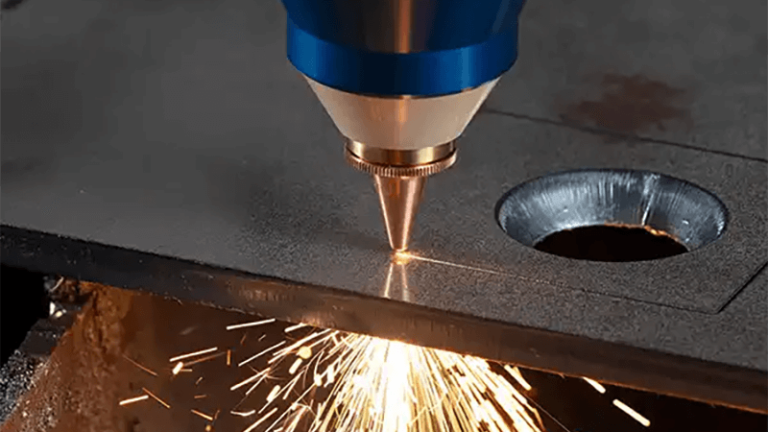
I use laser welding by focusing controlled laser energy onto a small joint area. I can create either surface-level heat conduction welding or deep keyhole welding. I control energy density, speed, focus, shielding gas, and wobble settings to balance penetration, weld appearance, distortion, and strength.
At Kirin Laser, I do not treat laser welding as simply “melting metal with light.” I treat it as a controlled heat-input process. I design and OEM laser welding machines for fabricators, distributors, and industrial users who need more speed without losing control of quality. The principle is simple to explain, but the results depend on how well I match the machine settings to the material, joint, thickness, and production target.
What is laser welding and its key benefits?
Many workshops lose time because traditional welding creates too much heat, needs more finishing work, and depends heavily on operator skill. I often see these problems with thin stainless steel, carbon steel cabinets, metal frames, and custom fabrication parts.
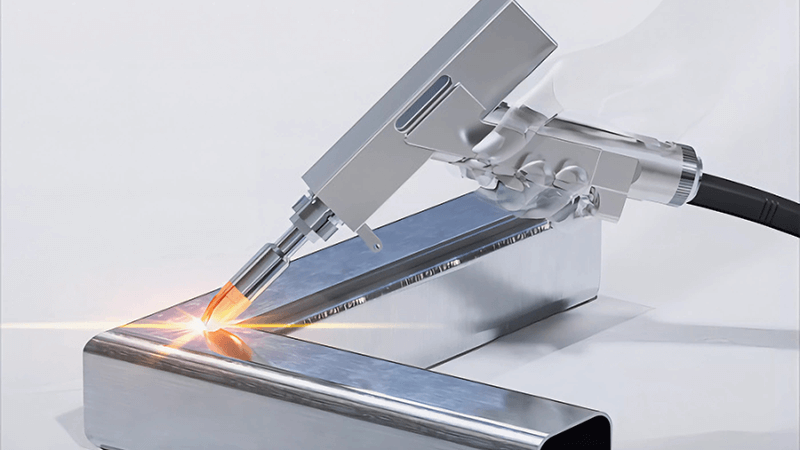
I define laser welding as a metal-joining process where I direct a concentrated laser beam onto a joint. I use the beam to create a controlled molten pool, then I let the material solidify into a weld. I can use it for fast, clean, narrow welds with lower heat input than many traditional welding methods.
I Start With Concentrated Heat
I use a laser welding machine because I can place energy in a very small area1. I do not spread heat across a large part of the workpiece. This controlled energy density gives me more control over the weld zone.
At lower energy density, I create conduction welding. I use this method when I need smooth surface welds and limited penetration. The heat moves from the top surface into the material. I often use this approach for thin materials, visible seams, and cosmetic parts.
At higher energy density, I create keyhole welding2. I use enough power density to form a small vapor channel inside the material. This keyhole helps the laser energy reach deeper into the joint. I can then create a narrow weld with deeper penetration and less wide-area heating.
I Look at the Full Production Benefit
I do not judge a laser welding machine only by beam power. I look at the total production result. I want faster welding, lower distortion, less grinding, cleaner appearance, and more stable output.
| Benefit I Look For | How I Achieve It | Why It Matters to My Customer |
|---|---|---|
| Faster welding speed | I use concentrated laser energy and stable motion control | I help increase daily output |
| Lower heat distortion | I reduce the size of the heat-affected area | I reduce bending and rework |
| Cleaner weld appearance | I use proper focus, gas, and wobble settings | I reduce polishing and grinding |
| Lower filler use | I optimize joint fit-up and welding parameters | I lower material handling work |
| Easier operator learning | I use simple handheld controls and stored parameters | I help workshops train operators faster |
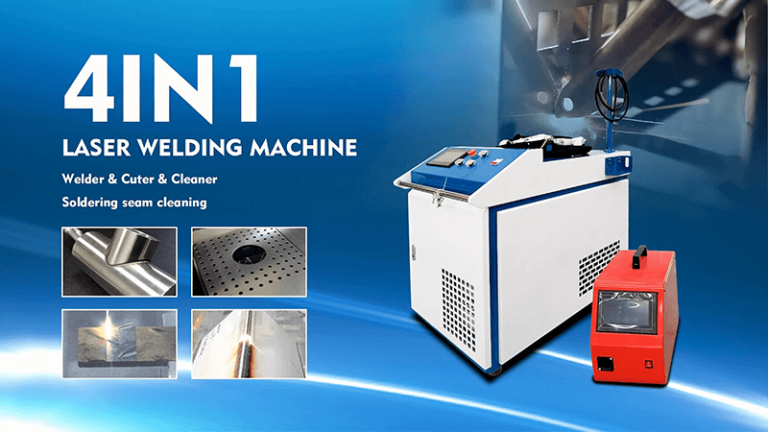
I also see strong value in flexibility. I can configure a laser welding machine for handheld work, automated welding cells, OEM machine integration, or distributor private-label programs. I can match the machine body, laser source, cable length, control language, accessories, and packaging to the target market.
I once worked with a fabricator who struggled with warped stainless-steel parts after TIG welding. The team needed cleaner seams, less heat distortion, and faster turnaround. I recommended a laser welding machine with adjustable power and wobble settings. After a short trial, the team cut rework significantly and finished thin-sheet jobs much faster without sacrificing weld appearance.
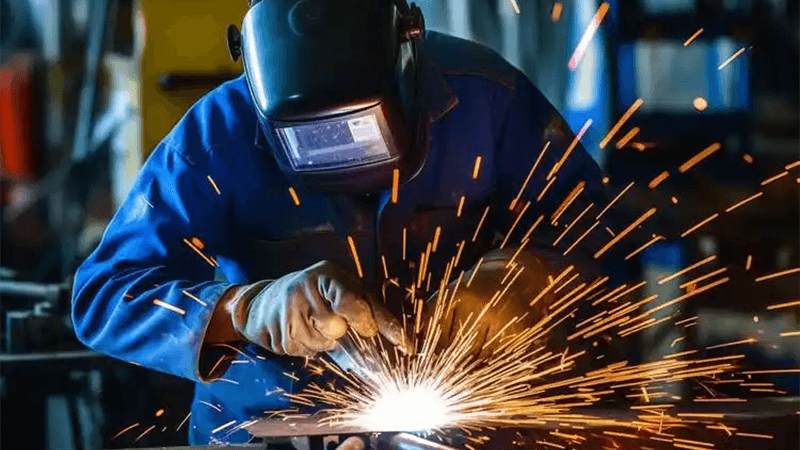
What is the laser welding process for thin gauge metal?
Thin gauge metal can look easy to weld, but I know it can burn through, warp, discolor, or open at the joint when heat control is poor. I pay close attention to setup because a small mistake can quickly damage a visible part.
I use a controlled sequence for thin gauge metal: I prepare the joint, secure the workpiece, set suitable laser power, choose the correct wobble width, adjust speed, use shielding gas, and test on sample material. I aim to create enough fusion for strength while keeping heat input as low as possible.
I Control Heat Input Before I Start Welding
I begin with material thickness, joint type, and surface condition. I do not use one setting for every thin metal job. Stainless steel, carbon steel, galvanized steel, and aluminum react differently to heat and laser absorption.
I then check joint fit-up. I need clean edges and stable contact between parts. A laser beam can weld quickly, but I cannot use speed to solve a large joint gap. Poor fit-up can cause weak fusion, undercut, inconsistent seams, or excess filler use.3
For thin stainless steel, I usually focus on lower heat input and stable travel speed. I use wobble settings when I need a wider seam or more tolerance for small fit-up changes. I also use shielding gas to reduce oxidation and help protect the weld appearance.
I Use Testing to Find the Stable Window
I do not rely on one test pass. I usually test several parameter combinations before I lock in production settings. I check penetration, bead width, backside appearance, color, porosity, and distortion.
| Process Factor I Adjust | Effect on Thin Gauge Metal | Risk When I Set It Incorrectly |
|---|---|---|
| Laser power | I control melting depth and fusion | I can cause burn-through |
| Welding speed | I control energy per unit length | I can create weak or uneven seams |
| Focus position | I control energy concentration | I can lose penetration or create spatter |
| Wobble width | I control seam width and heat spread | I can make the weld too wide |
| Shielding gas flow | I protect the weld pool | I can cause oxidation or unstable shielding |
| Joint gap | I affect bridgeability and fusion | I can create incomplete welds |
I also use fixturing to hold thin parts firmly. I know that thin sheet can move during welding because even a narrow heat zone creates stress4. Good fixtures help me keep joint alignment stable and reduce part movement.
I advise my customers to start with sample parts before large production. I want the operator to see how the material reacts. I also want the operator to understand that laser welding is not only about power. I need the correct balance between power, speed, focus, and wobble. That balance gives me a clean weld without unnecessary heat.
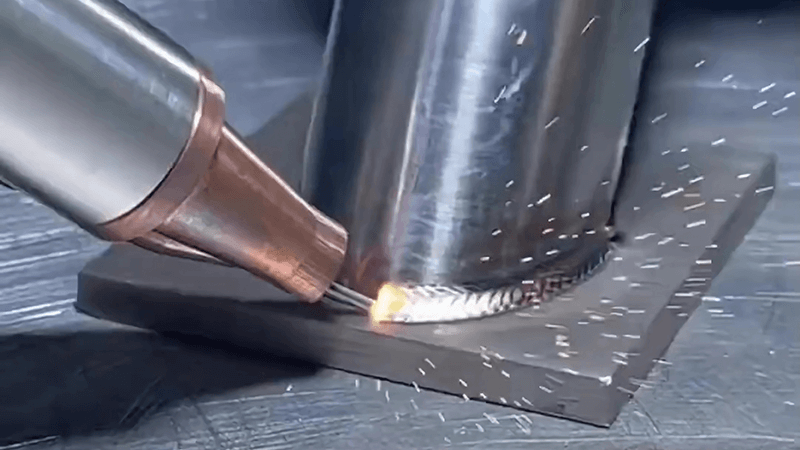
Are laser welders worth it?
Many buyers compare the purchase price of a laser welding machine with the price of a TIG welder. I understand that comparison, but I believe the better question is how much time, labor, rework, and finishing work the machine can remove from daily production.
I believe laser welders are worth it when I have repeatable metal welding work, thin to medium material thickness, visible weld requirements, labor pressure, or a need for faster delivery. I see the strongest value when I can reduce post-weld grinding, improve operator productivity, and create more consistent weld quality.
I Compare Total Cost, Not Only Machine Price
I always ask my customers to look beyond the initial equipment cost. A laser welding machine may cost more than a basic traditional welding setup, but I often see savings in labor time, finishing time, training time, and scrap reduction5.
I also look at production speed. A skilled TIG welder can produce excellent work, but manual TIG welding can take time6. The operator may need to control filler wire, torch angle, travel speed, heat input, and post-weld finishing. A laser welding machine can simplify part of this process for suitable applications.
| Cost Area I Review | Traditional Welding Situation | Laser Welding Machine Opportunity |
|---|---|---|
| Operator time | I may need slow travel and careful control | I can complete many seams faster |
| Post-weld grinding | I may need more finishing work | I can produce cleaner seams |
| Thin-sheet distortion | I may need correction work | I can reduce heat spread |
| Training time | I may need longer skill development | I can use preset parameters and simple controls |
| Scrap and rework | I may see inconsistent results | I can improve repeatability |
I Check Whether the Application Fits
I do not tell every customer that a laser welder will replace every welding process. I need to understand the real application first. I ask about material type, thickness, joint design, production volume, finish requirement, operator experience, and local service expectations.
I see strong returns for stainless steel furniture, kitchen equipment, cabinets, metal enclosures, custom fabrication, automotive parts, aerospace components, medical equipment frames, and sheet metal products. I also see value for distributors who want to add a modern welding product line without building a machine from zero.
At Kirin Laser, I can support this decision with sample welding, machine configuration guidance, OEM options, technical documents, and after-sales support. I want my distributors and industrial partners to know what the machine can do before they bring it to their market.
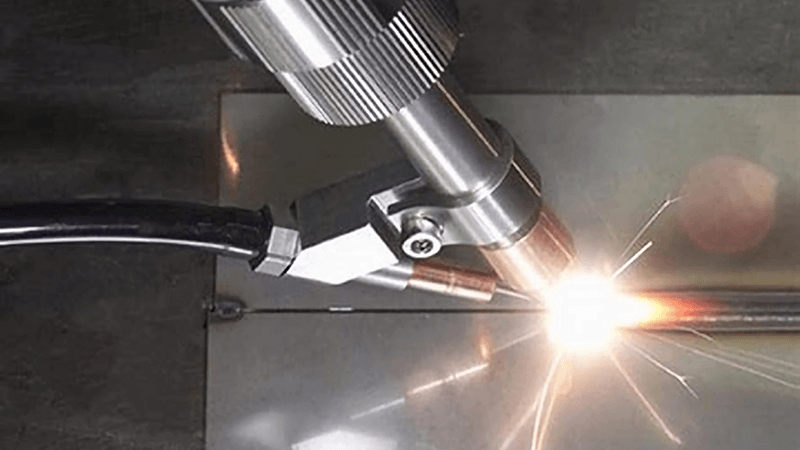
Do those laser welders really work?
Some buyers see impressive videos online and wonder whether laser welders can perform the same way in a real workshop. I think this is a fair question because real production includes dirty surfaces, varying gaps, operator differences, mixed materials, and changing job requirements.
I can say that laser welders really work when I match the machine, settings, materials, joint preparation, and operator training to the application. I do not promise identical results on every part without testing. I use sample work and process validation to show what I can achieve.
I Separate Demonstration From Production Reality
I know that a short demonstration video can make laser welding look effortless. A trained operator can create a clean weld quickly, but I still need to control several production conditions. I need clean material, good fit-up, correct parameters, stable handling, and appropriate safety procedures.
I also need to consider material behavior. Stainless steel often responds well to laser welding7 because I can achieve clean seams and controlled heat input. Carbon steel can also produce stable results with suitable settings. Aluminum needs more careful parameter control because it reflects more laser energy and conducts heat quickly. Galvanized material needs attention because zinc coating can create fumes and porosity risks8.
I Build Reliable Results With Process Control
I do not expect a machine alone to solve every welding issue. I build a repeatable process around the machine. I use sample testing, operator guidance, proper consumables, maintenance checks, and clear safety rules.
| Production Condition I Check | Why I Check It | What I Improve |
|---|---|---|
| Material surface | I need clean welding areas | I reduce porosity and contamination |
| Joint fit-up | I need stable contact between parts | I improve fusion consistency |
| Operator movement | I need steady travel and angle | I improve bead uniformity |
| Parameter selection | I need the correct power-speed balance | I reduce burn-through and weak welds |
| Gas and nozzle condition | I need stable shielding | I improve appearance and protection |
| Safety equipment | I need safe laser operation | I protect operators and the workplace |
I also remind customers that a laser welding machine needs proper laser safety management. I recommend suitable protective eyewear, controlled work areas, operator training, warning systems, and clear operating rules. I treat safety as part of the machine solution, not as an extra step.
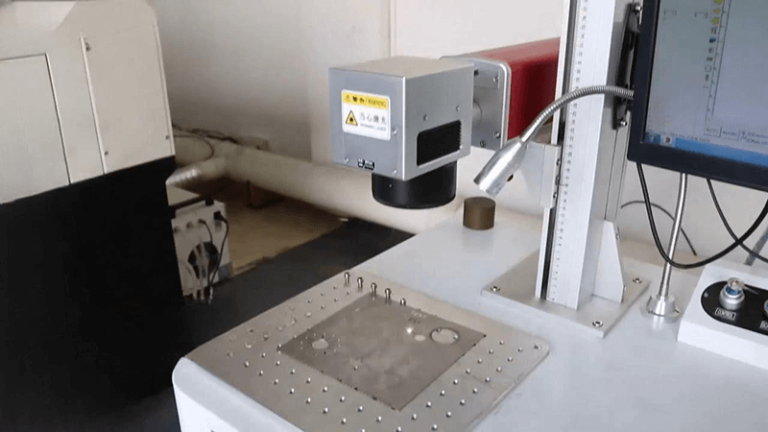
At Kirin Laser, I focus on making the machine practical for real work. I manufacture and OEM laser welding machines, laser cleaning machines, laser marking machines, and laser cutting machines for global partners. I support my customers with configuration choices, testing guidance, branding options, and technical service because I know that long-term results matter more than a single machine sale.
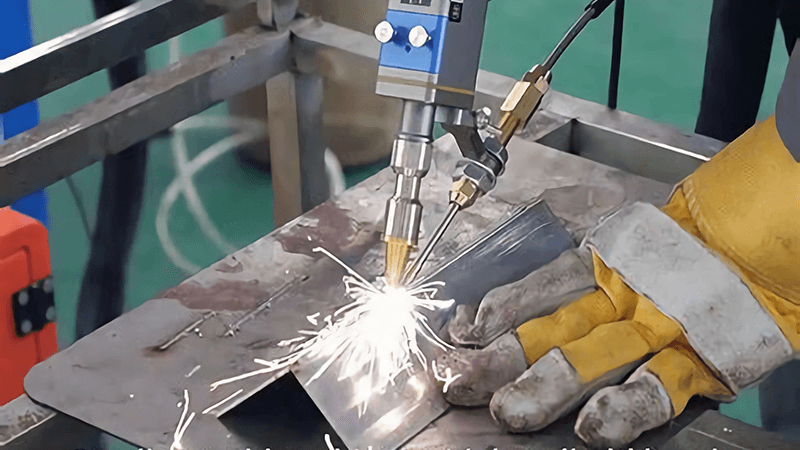
Conclusion
I understand the principle of laser welding as controlled energy density. I use lower energy density for smooth conduction welding and higher energy density for deep keyhole welding. I adjust power, speed, focus, wobble, gas, and joint preparation to control the result.
I see the greatest value when I use a laser welding machine for thin metal, clean visible seams, faster production, and lower rework. I also know that the machine works best when I match it to the real application. At Kirin Laser, I focus on that match so I can help my partners deliver reliable welding results with precision in every beam.
-
"Laser beam welding - Wikipedia", https://en.wikipedia.org/wiki/Laser_beam_welding. A neutral welding reference characterizes laser beam welding as a high-power-density process in which a focused beam localizes heat input at the joint, supporting the claim that laser welding can concentrate energy in a small area; this is a process-level description rather than proof of any specific machine’s performance. Evidence role: definition; source type: encyclopedia. Supports: A laser welding machine can concentrate energy in a very small area rather than spreading heat across a large part of the workpiece.. Scope note: Contextual support only; actual localization depends on beam quality, focus, material, and parameters. ↩
-
"Simulation of the Effect of Keyhole Instability on Porosity ...", https://www.mdpi.com/2075-4701/12/7/1200. Research and educational sources on laser welding describe keyhole mode as occurring when power density is high enough to vaporize material and form a vapor cavity that enables deeper beam coupling and penetration, supporting the stated mechanism; it does not guarantee identical weld depth in all materials. Evidence role: mechanism; source type: research. Supports: At higher energy density, laser welding can form a vapor channel or keyhole that allows deeper, narrower weld penetration.. Scope note: The mechanism is broadly accepted, but resulting penetration depends on material properties, joint geometry, shielding gas, and process parameters. ↩
-
"What Are Welding Discontinuities? - Tulsa Welding School", https://www.tws.edu/blog/welding/what-are-welding-discontinuities/. A welding engineering source supports that joint preparation and fit-up affect weld quality and can contribute to defects such as incomplete fusion, undercut, and inconsistent bead formation; the source may address welding broadly rather than handheld laser welding only. Evidence role: expert_consensus; source type: institution. Supports: Poor fit-up can cause weak fusion, undercut, inconsistent seams, or excess filler use.. Scope note: Evidence may be drawn from general welding standards or texts and may not directly quantify defect rates for this specific process. ↩
-
"Controlling Welding Residual Stress and Distortion of High-Strength ...", https://pmc.ncbi.nlm.nih.gov/articles/PMC9504295/. A welding distortion reference supports that localized heating and cooling create residual stresses that can distort or move thin sheet during welding; this is general support and may not isolate the effect of a narrow laser heat-affected zone. Evidence role: mechanism; source type: government. Supports: Thin sheet can move during welding because localized heat creates stress.. Scope note: The evidence is likely to address welding distortion mechanisms broadly, not the author’s specific fixture design or exact sheet thickness. ↩
-
"Welding Costs - TWI", https://www.twi-global.com/technical-knowledge/job-knowledge/welding-costs-096. A welding cost or manufacturing-process source can support that total welding cost includes direct labor, post-weld operations, training/skill requirements, and rework or scrap, not only equipment purchase price; however, it may not quantify savings for this specific machine or customer application. Evidence role: general_support; source type: institution. Supports: Laser welding economics should be evaluated by total cost factors such as labor time, finishing time, training time, and scrap reduction rather than purchase price alone.. Scope note: Contextual support only; actual savings depend on part geometry, material, production volume, operator skill, and implementation quality. ↩
-
"Gas tungsten arc welding - Wikipedia", https://en.wikipedia.org/wiki/Gas_tungsten_arc_welding. Technical descriptions of gas tungsten arc welding explain that TIG/GTAW commonly requires coordinated control of the torch, arc length, travel speed, heat input, and sometimes manually fed filler metal, which supports the statement that the process can be time-intensive; this does not establish that TIG is slower in every production setting. Evidence role: mechanism; source type: education. Supports: Manual TIG welding can be time-consuming because the operator must coordinate several variables during the weld.. Scope note: The support is process-level and does not compare cycle time for a specific joint, material, or operator skill level. ↩
-
""Hybrid Laser/arc Welding of Difficult-to-Weld Thick Steel Plates in D ...", https://scholar.smu.edu/engineering_mechanical_etds/16/. Laser-welding literature describes stainless steels as common candidates for laser beam welding because the process can produce narrow welds, limited heat-affected zones, and comparatively controlled heat input under suitable parameters. Evidence role: general_support; source type: paper. Supports: Stainless steel often responds well to laser welding because clean seams and controlled heat input can be achieved.. Scope note: The support is general; weld quality still depends on alloy grade, joint design, surface condition, shielding, and parameter selection. ↩
-
"A study of fiber laser welding of galvanized steel using a suction ...", https://www.sciencedirect.com/science/article/abs/pii/S0924013614000557. Research on welding galvanized steels identifies zinc vaporization from the coating as a source of weld defects such as porosity, while occupational-safety sources describe zinc oxide fume exposure as a recognized welding-fume hazard. Evidence role: mechanism; source type: paper. Supports: Galvanized material needs attention in laser welding because zinc coating can contribute to fumes and porosity.. Scope note: A single source may address either porosity or health exposure more directly; process-specific risk depends on coating thickness, ventilation, joint geometry, and welding parameters. ↩