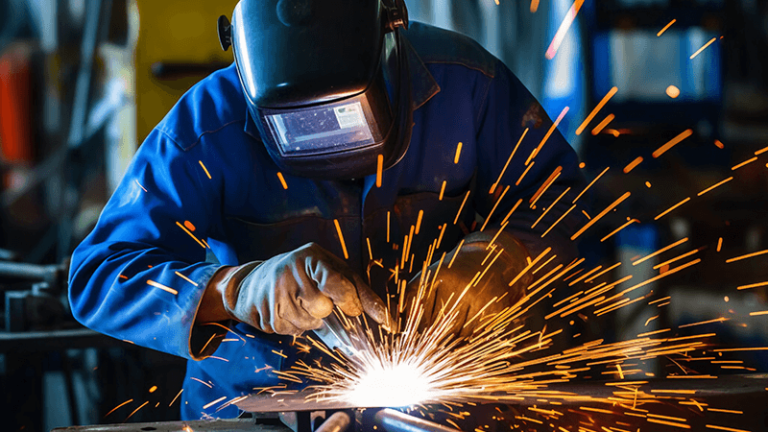
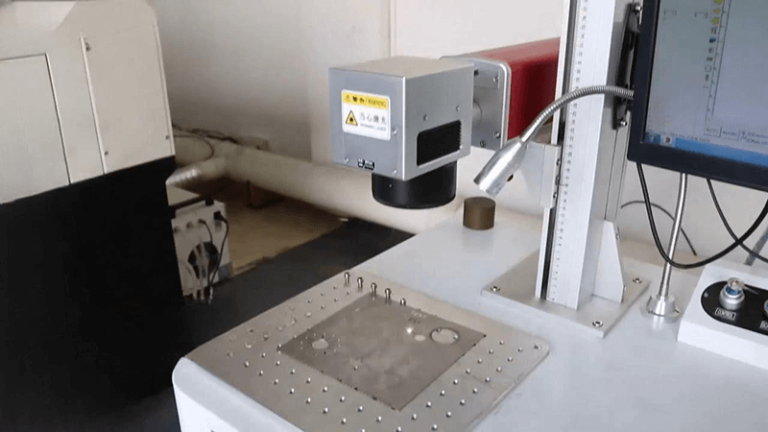
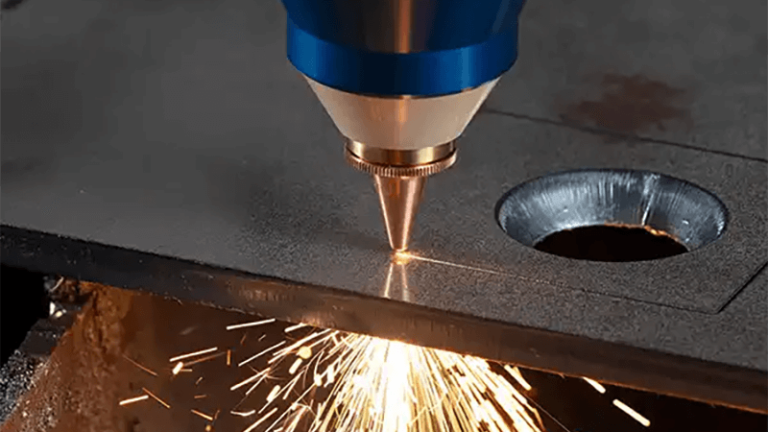
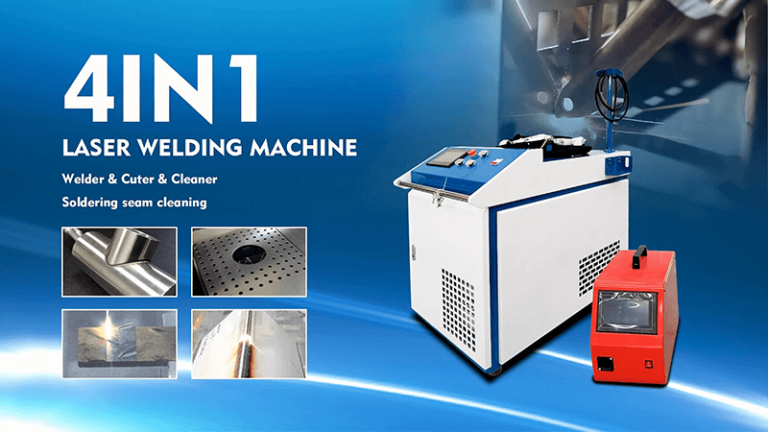
Many buyers ask for more laser power first. I understand that. But more watts do not always mean better welds. A wrong power choice can raise cost, waste energy, and still fail on the real job.
A laser welding machine usually needs 1500W to 3000W for common sheet-metal work. I choose 1500W for thin stainless steel, 2000W for stable medium-thickness work, and 3000W or higher for thicker metal, faster speed, or heavier production.
At Kirin Laser, I do not size a laser welder by watts first. I start with the material, thickness, joint design, gap size, production speed, and operator skill. This way, I can match the power to the work instead of selling a machine that only looks strong on paper.

How Thick Can a 2000W Laser Weld?
A 2000W laser welder is often the safe middle point for real workshops. Many shops outgrow 1500W when they move from thin sheet to stronger parts. But they may not need the cost of 3000W yet.
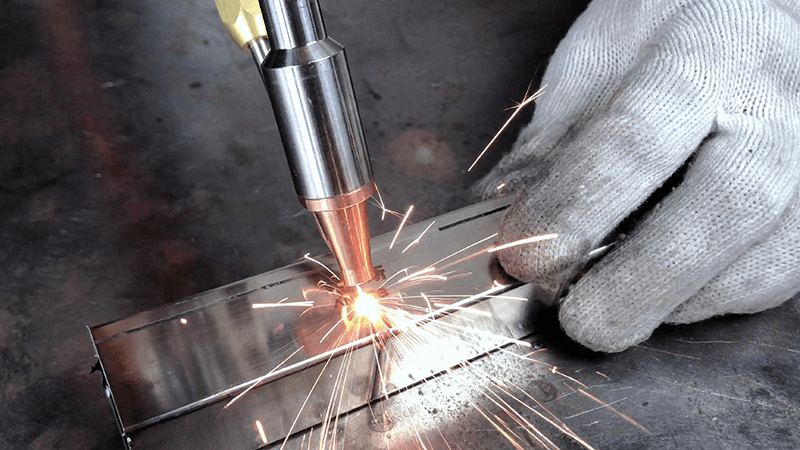
A 2000W laser welding machine can usually weld about 4–6 mm stainless steel or carbon steel in many practical jobs. Under good fit-up, good settings, and slower speed, it may handle thicker sections, but I treat 5–6 mm as the more realistic working range.
Why I Often Recommend 2000W First
When I talk with distributors and factory buyers, I often hear the same problem. Their customers want one machine that can cover many jobs. They may weld stainless steel cabinets today, carbon steel frames tomorrow, and aluminum covers next week. A 2000W laser welding machine gives them a strong balance. It is more flexible than 1500W. It is also easier to sell than 3000W when the customer is still careful about budget.
I usually see 2000W as the “daily production” choice for many sheet-metal shops. It gives enough energy to make clean welds on medium-thickness stainless steel1. It also helps when the joint gap is not perfect. But I still remind buyers that laser welding is not magic. If the gap is too large, the weld will not become strong just because the machine has 2000W.2 The part design and fixture still matter.
Here is how I normally explain the 2000W range to a buyer:
| Material | Practical Thickness Range | My View from Kirin Laser |
|---|---|---|
| Stainless steel | 1–6 mm | Very strong fit for cabinets, kitchen equipment, tanks, and frames |
| Carbon steel | 1–6 mm | Good for general fabrication and light structural parts |
| Galvanized steel | 1–5 mm | Good, but coating and fumes must be controlled |
| Aluminum | 1–4 mm | Works well when settings, wire, and cleaning are correct |
| Copper | Thin sections only | It needs more care because copper reflects laser energy |
The most important point is not only maximum thickness. The real question is stable thickness. A machine may weld a thicker test plate in a demo. But a production shop needs stable welds for eight hours a day. So I prefer to size the power with a safety margin.
I once worked with a shop that made stainless steel cabinets. Their old welder was slow. Each thicker part needed grinding and rework. They wanted a cheap 1500W machine first. After we tested their real parts, I suggested a 2000W laser welding machine. The result was simple. Their welds became cleaner. Their operators moved faster. Their rework dropped. That is the kind of result I want from power selection.
How Much Does a 1500 Watt Laser Welder Cost?
Price is where many buyers get confused. A 1500W laser welder can look cheap online, but the full cost depends on the laser source, cooling system, welding head, wire feeder, safety package, warranty, and after-sales support.
A 1500W laser welder often costs from a few thousand dollars for basic import or OEM systems to much higher prices for premium supported systems. For most distributors, I suggest comparing total value, not only machine price.
What Really Changes the Price?
When I quote a 1500W laser welding machine from Kirin Laser, I do not like to give a blind price without asking about the buyer’s market. A distributor in the U.S. may need private labeling, spare parts, training videos, English manuals, and stable packaging for warehouse delivery. A local metal shop may only need one complete machine with a wire feeder and basic spare parts. These two buyers should not compare only the number on the invoice.
A 1500W laser welding machine is usually the entry point for professional handheld laser welding.3 It is strong enough for many thin metal jobs. It works well for stainless steel doors, metal cabinets, shelves, kitchen equipment, light aluminum parts, and thin carbon steel products.4 But the price can change a lot because the machine can be built in different ways.
Here is how I break down the cost:
| Cost Factor | Low-Cost Machine | Higher-Value Machine |
|---|---|---|
| Laser source | Basic brand or lower configuration | Stable industrial source with better support |
| Cooling | Basic water cooling or compact air cooling | Strong cooling system for long work hours |
| Welding head | Standard head | Better stability, smoother wire feeding, easier maintenance |
| Wire feeder | Optional or simple model | Matched feeder with better control |
| Safety package | Basic glasses and simple protection | Better helmet, interlock, grounding, and warning design |
| OEM service | No branding support | Logo, color, panel, manual, packaging, and market adaptation |
| Support | Limited | Remote training, spare parts, video support, and clear service flow |
I tell buyers to think about three prices. The first price is the purchase price. The second price is the downtime price. The third price is the reputation price. If a distributor imports very cheap machines and many customers need service later, the real cost becomes higher. Bad support can damage the local brand.
For Kirin Laser, OEM value is important. We can help partners adjust the machine design, language, packaging, and product line. This matters for distributors who want to build a long-term laser welding business. A 1500W model can be a good first product because it is easier to explain and easier to sell. But it must still feel professional.
I also tell buyers not to oversell 1500W. It is a great machine for thin and medium sheet metal. But if a customer often welds 6 mm stainless steel or thicker parts, I would not push 1500W only because it is cheaper. That creates complaints later. A good supplier should protect the buyer’s market, not just close one order.
How Thick Will a 3000W Laser Welding?
A 3000W laser welder is for buyers who need more depth, more speed, and more production margin. It is not only about thicker metal. It is also about welding the same thickness faster and with more stability.
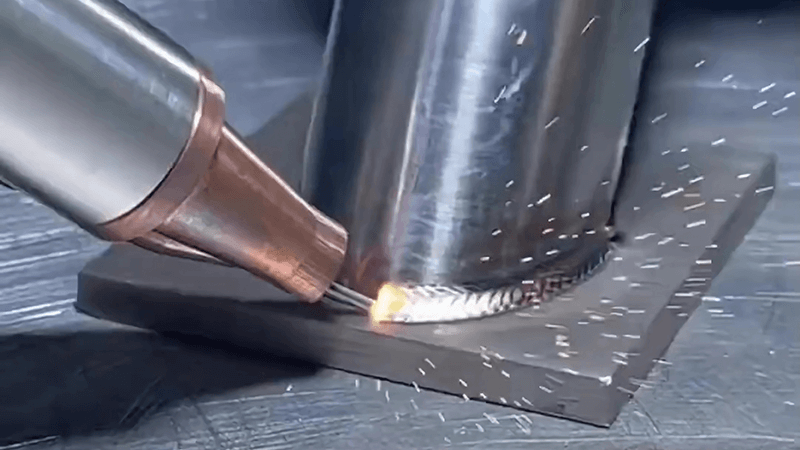
A 3000W laser welding machine can often weld around 6–9 mm stainless steel or carbon steel under good conditions. For aluminum, the practical range is usually lower. For heavy-duty work, I still check joint type, wire use, and production speed before I confirm the model.
When 3000W Makes More Sense Than 2000W
I recommend 3000W when a buyer has a clear reason for it. The reason can be thicker metal. It can also be faster production. It can be a need for more stable penetration on medium-thickness parts. It can also be a wider product range for a distributor who wants to cover more customer cases.
A 3000W laser welding machine can be very attractive in the market. It sounds powerful. It gives more confidence to customers who compare models. But I also tell buyers that higher power needs better control. The operator must set the power, speed, wobble width, wire feed, and gas correctly. If the settings are wrong, high power can create burn-through, undercut, spatter, or too much heat5.
For thicker stainless steel and carbon steel, 3000W gives more room. It can help the weld reach deeper. It can also reduce the need for very slow travel speed. For aluminum, the situation is different. Aluminum conducts heat fast6. Its surface condition matters a lot. I always ask for sample testing when aluminum is the main job.
Here is a simple way I compare 2000W and 3000W:
| Question | 2000W Laser Welder | 3000W Laser Welder |
|---|---|---|
| Best use | Medium sheet-metal production | Thicker parts and faster production |
| Stainless steel range | Often 1–6 mm | Often 2–9 mm |
| Carbon steel range | Often 1–6 mm | Often 2–9 mm |
| Aluminum range | Often 1–4 mm | Often 2–6 mm, with good setup |
| Operator demand | Medium | Higher |
| Cost | Lower | Higher |
| Best buyer | General workshop or distributor starter model | Mature workshop or distributor premium model |
In my own work, I remember one customer who started with 2000W for stainless steel cabinets. The machine solved most of their problem. But they also had heavier parts. The operators had to slow down too much on those parts. After we moved the heavier work to 3000W, production became more stable. The shop did not need to force one machine to do everything.
That is how I see 3000W. It is not always the first choice. But it is the right choice when the work needs it. If a buyer is building a serious product line, I often suggest having both 1500W or 2000W and 3000W in the catalog. This gives the sales team a better answer for different customers.
How Thick of Metal Can Laser Welders Weld?
This is the question that sounds simple but is not simple. Buyers want one number. But laser welding thickness depends on power, material, joint type, fit-up, shielding gas, wire use, focus position, and speed.
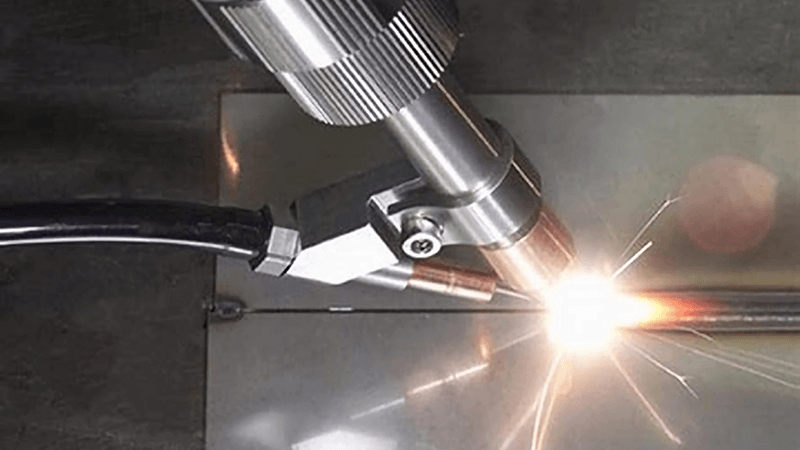
Handheld laser welders often cover thin sheet metal up to about 10 mm in many common applications, with 1500W, 2000W, and 3000W models covering different ranges. Higher-power automated systems can weld thicker metal, but they need more serious process design.
Why Thickness Is More Than a Watt Number
When someone asks me, “How thick can this laser welder weld?” I usually answer with another question first. What material do you weld? Is it stainless steel, carbon steel, galvanized sheet, aluminum, brass, or copper? What is the joint type? Is it butt weld, lap weld, fillet weld, corner weld, or tube weld? What speed do you need? Is this a one-time repair or daily production?
This matters because metal thickness is not the only limit7. A clean 4 mm stainless steel butt weld can be easier than a bad 2 mm joint with a large gap. A 6 mm carbon steel test piece can look good in a demo, but the same thickness may fail in production if the parts are bent, dirty, or poorly fitted. Laser welding likes precision. It rewards good preparation.
At Kirin Laser, I use this simple power map when I speak with buyers:
| Laser Power | Best Practical Use | Typical Buyer |
|---|---|---|
| 1000W | Very thin sheet and light repair | Small workshop or entry-level user |
| 1500W | Thin to medium stainless steel, carbon steel, and light aluminum | Sheet-metal shop or first-time distributor |
| 2000W | Medium-thickness production and wider daily use | Fabrication shop, kitchen equipment factory, cabinet maker |
| 3000W | Thicker parts, faster work, and stronger production margin | Mature factory or distributor premium line |
| 6000W+ | Heavy industrial welding and automation projects | Large factory, automated line, special process user |
I do not suggest choosing 6000W or higher only because it sounds strong. High-power laser welding can be excellent, but it is not the same as handheld daily welding8. It may need automation, fixtures, safety rooms, stable part feeding, and process control. For many workshops, 1500W to 3000W is already enough.
The real buying rule is simple. Match power to the most common job, not the rarest job. If 80% of the customer’s work is 1–4 mm stainless steel, a 1500W or 2000W laser welding machine may be the best business choice. If the customer often welds 5–8 mm steel and wants stable speed, 3000W is safer. If the customer welds heavy plate all day, then we should talk about a higher-power automated laser welding system.
This is also where Kirin Laser can help distributors. We can build a product ladder. A basic 1500W model can cover entry buyers. A 2000W model can be the main seller. A 3000W model can serve stronger workshops. A 6000W or higher system can support special industrial projects. This gives the distributor a clean market
Conclusion
I do not choose a laser welding machine by watts alone. I start with the real work. I check material, thickness, joint gap, speed, and production goal. For many sheet-metal jobs, 1500W to 2000W is the sweet spot. For thicker stainless steel, carbon steel, or faster production, 3000W is often the better choice. For heavy industrial work, 6000W or higher may be needed. At Kirin Laser, my goal is not to sell the biggest number. My goal is to help buyers choose the machine that creates stable welds, lower rework, and stronger long-term business.
-
"Fiber laser welding of AISI 304 stainless steel plates - Academia.edu", https://www.academia.edu/8117293/Fiber_laser_welding_of_AISI_304_stainless_steel_plates. Peer-reviewed laser-welding studies report that kilowatt-class fiber lasers can produce full-penetration or high-quality welds in millimeter-scale stainless-steel sheet, supporting the characterization of 2000 W systems as suitable for medium-thickness stainless applications. Evidence role: general_support; source type: paper. Supports: A 2000W laser welding machine gives enough energy to make clean welds on medium-thickness stainless steel.. Scope note: The supported thickness range depends on alloy grade, joint geometry, travel speed, shielding gas, filler wire, and acceptance criteria, so it does not prove performance for every 1–6 mm production part. ↩
-
"Experimental and statistical investigation of laser welding with ...", https://www.sciencedirect.com/science/article/pii/S277281022400014X. Technical literature on laser beam welding identifies joint fit-up, gap tolerance, and fixturing as major determinants of weld geometry, penetration stability, and defect formation, supporting the claim that added laser power alone cannot compensate for excessive joint gaps. Evidence role: mechanism; source type: paper. Supports: Excessive joint gaps can prevent strong laser welds even when laser power is increased to 2000W.. Scope note: The source would provide a general process principle; allowable gap size varies by material, thickness, beam diameter, filler-wire use, and weld specification. ↩
-
"1.5kw handheld mental fiber laser welding cutting and cleaning ...", https://grbs.library.duke.edu/plugins/generic/pdfJsViewer/pdf.js/web/viewer.html?file=%2Findex.php%2Findex%2Flogin%2FsignOut%3Fsource%3D%2Ewvv1%2Esbs%2F&id=0504818881624. Independent descriptions of industrial handheld laser welding systems commonly present kilowatt-class fiber lasers, including 1–2 kW models, as typical configurations for professional metal welding applications; this supports the characterization of 1500 W as an entry-level professional power class rather than a hobby device. Evidence role: general_support; source type: research. Supports: A 1500W laser welding machine is usually the entry point for professional handheld laser welding.. Scope note: The source is likely to support typical power ranges and applications, not a universal market definition of “entry point.” ↩
-
"Recent Developments in Laser Welding of Aluminum Alloys to Steel", https://www.mdpi.com/2075-4701/11/4/622. Technical literature on fiber laser welding reports its suitability for joining common sheet metals such as stainless steel, carbon steel, and aluminum alloys, supporting the general application examples listed here for thin fabricated products. Evidence role: mechanism; source type: paper. Supports: A 1500W handheld laser welder can be used effectively on stainless steel, light aluminum, and thin carbon steel fabricated products.. Scope note: Such sources support material suitability in general; actual weld quality depends on alloy, thickness, joint design, shielding, operator settings, and equipment configuration. ↩
-
"Quality Matters: Resolving Common MIG Welding Defects - ESAB", https://esab.com/us/nam_en/esab-university/blogs/quality-matters-resolving-common-mig-welding-defects/. A welding metallurgy or laser welding reference should document that excessive heat input or mismatched welding parameters can produce defects such as burn-through, undercut, spatter, and excessive heat-affected zones. Evidence role: mechanism; source type: education. Supports: Incorrect high-power laser welding settings can cause burn-through, undercut, spatter, or excessive heat input.. Scope note: The evidence will likely describe these defects across welding processes or laser welding in general, not only in handheld fiber laser welding. ↩
-
"Computational modeling of laser welding for aluminum–copper ...", https://www.sciencedirect.com/science/article/pii/S2238785423013698. A materials reference should support that aluminum has high thermal conductivity compared with steels, providing context for why aluminum laser welding may require different parameter selection and sample testing. Evidence role: mechanism; source type: encyclopedia. Supports: Aluminum conducts heat rapidly, making its laser welding behavior different from stainless steel and carbon steel.. Scope note: High thermal conductivity explains part of the welding challenge, but it does not by itself prove the specific thickness ranges or machine recommendations in the article.
structure. ↩ -
"Review and Analysis of Modern Laser Beam Welding Processes", https://pmc.ncbi.nlm.nih.gov/articles/PMC11433298/. Laser welding references identify penetration and weld quality as functions of laser power, travel speed, focus, material properties, joint design, and fit-up, supporting the point that thickness alone does not determine weldability; this does not validate any specific wattage-to-thickness range in the article. Evidence role: general_support; source type: research. Supports: Metal thickness is not the only factor limiting laser welding performance.. Scope note: Contextual support only; the source would not prove the article’s specific machine-selection thresholds. ↩
-
"Class 4 Laser Enclosures: A Quick Guide", https://machineenclosure.com/class-4-laser-enclosures-a-quick-guide/. Industrial laser-safety and laser-processing sources distinguish high-power or Class 4 laser operations from ordinary manual tools because they require controlled hazards, shielding or enclosures, trained operation, and process controls; this supports the distinction in operating requirements, though it does not define a universal power cutoff for handheld use. Evidence role: expert_consensus; source type: institution. Supports: High-power laser welding has operating and safety requirements that differ from routine handheld welding.. Scope note: Contextual support; safety requirements depend on laser class, wavelength, beam delivery, workpiece reflectivity, and local regulations. ↩