Many buyers ask this question only after they feel pressure. Their cutting speed is slow. Their edge quality is unstable. Their service team gets too many complaints. So the laser source choice becomes a business decision, not only a technical one.
Fiber laser is the most widely used laser for industrial metal cutting. It is popular because it cuts metals faster, uses energy well, needs less maintenance, and fits automation lines easily. For OEM buyers and distributors, it also helps reduce service pressure and improve repeat orders.
When I look at laser cutting from the Kirin Laser side, I do not only ask which machine can cut. I ask which machine can keep cutting every day, with fewer problems, easier training, and better profit for our partners. That is why fiber laser cutting machines became the workhorse in real production. CO2 lasers still have their place. Other laser types also matter in some special jobs. But for modern metal cutting, fiber laser is the answer I see most often.
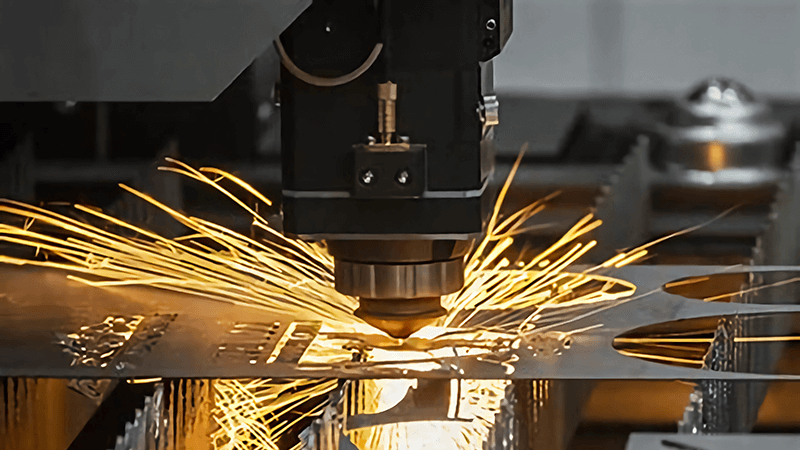
What type of laser is used for laser cutting?
Many customers think laser cutting is one simple technology. Then they compare prices and get confused. One supplier talks about CO2. Another talks about fiber. Another talks about high power. If the buyer does not match the laser type with the material, the machine can become a costly mistake.
The main laser types used for laser cutting are fiber lasers, CO2 lasers, and some solid-state lasers such as Nd:YAG. In today’s metal fabrication market, fiber laser is the main choice. CO2 laser is still useful for many non-metal materials like acrylic, wood, paper, fabric, and some plastics.
I always start with the material, not the machine
When I talk with distributors or factory owners, I usually start with a simple question: what do your customers cut every day? This question matters more than the laser power at the beginning. A customer cutting stainless steel cabinets has a different need from a customer cutting acrylic signs. A workshop cutting carbon steel sheets has a different need from a small studio cutting wood patterns.
Fiber laser is the strongest mainstream answer for metal cutting.1 It works very well on stainless steel, carbon steel, aluminum, brass, copper, galvanized sheet, and many other metal materials. It has a short wavelength. Metal absorbs this laser energy well. This helps the machine cut faster and keep a narrow kerf. It also helps produce a clean edge when the parameters and gas are set well.
CO2 laser is different. It uses a longer wavelength. Many non-metal materials absorb CO2 laser energy well. That is why CO2 laser machines are common in advertising, packaging, craft, leather, textile, and acrylic industries. But when a buyer wants to cut metal in a modern production shop, I usually guide them to fiber laser first.
There are also Nd:YAG and other solid-state lasers. They were used in some cutting and drilling jobs. But in many industrial metal cutting cases, fiber laser has replaced them because it is easier to integrate, more stable, and better suited to long production cycles.2
| Laser type | Best-fit materials | Common use | My view from Kirin Laser |
|---|---|---|---|
| Fiber laser | Stainless steel, carbon steel, aluminum, copper, brass | Sheet metal cutting, tube cutting, fabrication | Best mainstream choice for metal cutting |
| CO2 laser | Acrylic, wood, paper, leather, fabric, some plastics | Signage, craft, packaging, non-metal cutting | Strong for non-metal work |
| Nd:YAG / solid-state laser | Some metals and special materials | Older cutting, drilling, special processing | Less common for new mainstream cutting projects |
| Direct diode laser | Some thin metals and special applications | Niche cutting, welding, heating | Useful in selected cases, not the main standard |
At Kirin Laser, I see the buyer’s real need behind the question. A procurement manager does not only buy a machine. He buys delivery speed, fewer after-sales issues, stable edge quality, and a product line that his sales team can explain. This is why we often position fiber laser cutting machines as the core product for metal fabrication channels. It is easier to sell, easier to train, and easier to support when the application is clear.
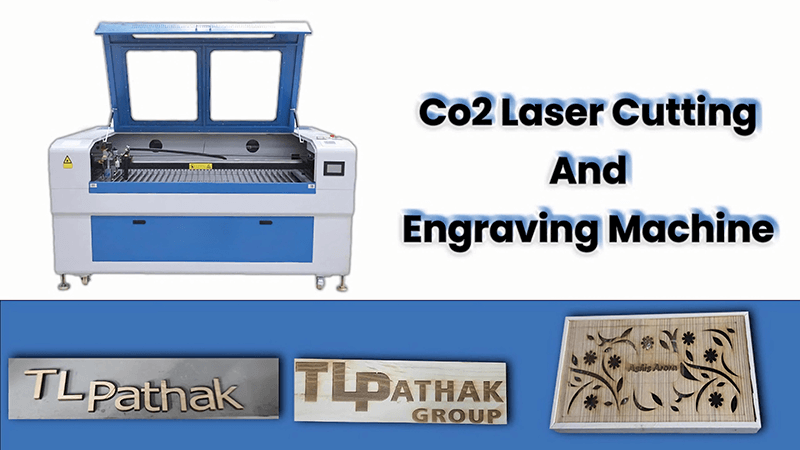
Which laser is used for cutting?
A wrong laser choice can look cheap on the quotation sheet. But it can become expensive on the factory floor. The operator may slow the speed. The edge may need grinding. The customer may complain. The distributor may lose trust.
Fiber laser is used most often for metal cutting today. CO2 laser is used more often for non-metal cutting. The right choice depends on material, thickness, edge quality needs, production volume, energy cost, and service capacity. For industrial metal cutting, fiber laser is usually the first option.
I use one rule: match the laser with the business model
When a customer asks me which laser is used for cutting, I do not answer with one word at once. I try to understand how the machine will make money. A job shop may cut many materials every day. A factory may cut one product again and again. A distributor may need one model that can fit many buyers in his market. These cases need different thinking.
For metal sheet cutting, fiber laser is the normal answer3. It gives strong value in speed, energy use, maintenance, and automation. A fiber laser cutting machine can be built into a flatbed cutting system, tube cutting system, or plate and tube integrated system. It can also work with automatic loading and unloading, exchange tables, and smart nesting software. This matters for customers who want higher output and fewer manual steps.
For non-metal cutting, CO2 laser is still very important. I would not push a fiber laser to a customer who mainly cuts wood, acrylic, leather, fabric, or paper. That would be the wrong product. A good supplier should not force one machine into every case. A good supplier should protect the buyer’s long-term use.
In our OEM and wholesale work, this point matters a lot. A distributor needs simple product logic. If he sells fiber laser cutting machines to metal fabrication customers, his message is clear. He can say the machine is fast, stable, and built for metal. If he sells CO2 laser machines to non-metal users, his message is also clear. Confusion creates returns. Clear positioning creates repeat orders.
| Buyer situation | Better laser choice | Why it fits |
|---|---|---|
| Metal fabrication shop | Fiber laser | Fast metal cutting and lower maintenance pressure |
| Stainless steel kitchenware factory | Fiber laser | Clean edges and high repeat production |
| Advertising shop cutting acrylic | CO2 laser | Strong absorption on acrylic and smooth non-metal cutting |
| Leather or fabric workshop | CO2 laser | Flexible cutting and engraving on soft materials |
| Distributor building a metal machine line | Fiber laser | Easier market message and stronger industrial demand |
| Mixed unknown customer base | Application review first | Material decides the machine |
I once worked with a metal fabrication customer who had slow CO2 cutting and high maintenance costs. Their operators spent too much time adjusting the machine. Their delivery dates kept getting tight. After they switched to a fiber laser cutting machine, the team cut stainless steel faster, got cleaner edges, and reduced downtime4. That experience stayed with me. It showed me that the best laser is not the one with the most famous name. It is the one that solves the daily production pain.
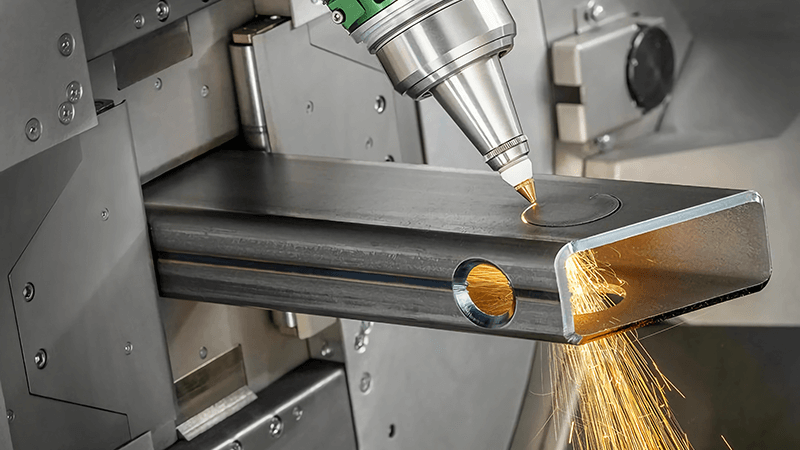
What are the types of laser cutting?
Many people talk about laser cutting machines, but they ignore cutting methods. This creates another problem. A buyer may choose the right laser source but use the wrong gas, wrong speed, or wrong process. Then the result still looks bad.
The main types of laser cutting include fusion cutting, oxygen cutting, vaporization cutting, and precision or remote cutting methods. In metal fabrication, fiber laser cutting often uses nitrogen for clean edges or oxygen for faster carbon steel cutting. The method depends on material, thickness, cost, and finish.
I separate laser type from cutting process
A laser source creates the beam. A cutting process decides how that beam removes material. This difference is important. Two fiber laser cutting machines can give different results if they use different assist gases, nozzles, focus positions, and cutting parameters. So I always tell buyers not to judge only by laser power. A good cutting system is a full package.
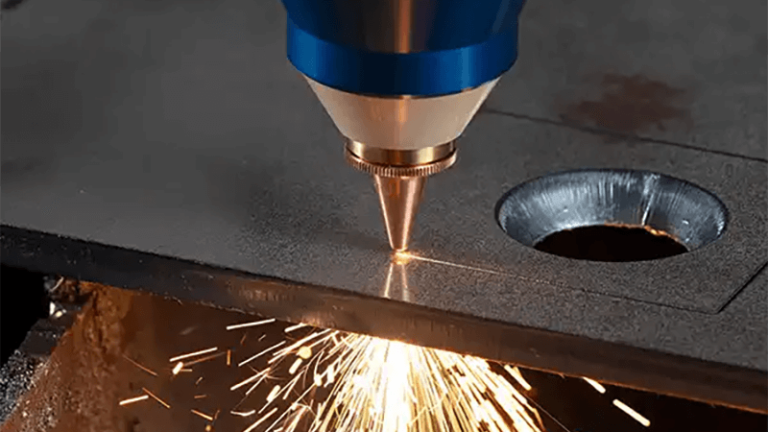
Fusion cutting is common when the customer wants clean metal edges.5 The laser melts the material, and high-pressure nitrogen blows the molten metal away. Because nitrogen does not react strongly with the metal, the edge can be bright and clean. This is often used for stainless steel and aluminum when the customer wants less post-processing.
Oxygen cutting is common for carbon steel. The laser heats the metal, and oxygen helps the cutting reaction. This can increase cutting ability on thicker carbon steel. But the edge may have oxide. Some customers accept this. Some customers need later cleaning or coating steps. So the best choice depends on the next process.
Vaporization cutting removes material by turning it into vapor. This is more common in thin materials or special precision work. CO2 lasers may also use this idea for some non-metal cutting. Remote cutting and high-speed precision cutting are used in some advanced production lines. But for many Kirin Laser customers, the main discussion is still simple: nitrogen cutting or oxygen cutting, thin sheet or thick plate, speed or edge finish.
| Cutting type | How it works | Common material | Main advantage | Main limit |
|---|---|---|---|---|
| Fusion cutting | Laser melts material, gas blows melt away | Stainless steel, aluminum | Clean edge, less oxidation | Higher gas cost with nitrogen |
| Oxygen cutting | Laser heats metal, oxygen supports reaction | Carbon steel | Strong cutting ability | Oxidized edge |
| Vaporization cutting | Laser vaporizes material | Thin materials, some non-metals | Fine detail | Slower for thick metals |
| Remote cutting | Beam cuts without strong gas jet in some cases | Thin sheets | High speed in selected lines | Not fit for every material |
| Precision cutting | Small beam and controlled parameters | Electronics, fine parts | High accuracy | Lower throughput in some cases |
From the Kirin Laser side, this is where technical support becomes important. A distributor can sell the machine, but he also needs cutting data, training, and application advice. If his customer cuts stainless steel doors, we should help with nitrogen parameters. If his customer cuts carbon steel frames, we should help with oxygen settings. If his customer wants to reduce gas cost, we should discuss air cutting or mixed gas options where suitable.
This is why I see laser cutting as a system, not only a machine. The source, bed, motion system, control software, cutting head, gas path, cooling system, and after-sales support all affect the result.6 A strong OEM partner should help the distributor build this full value, because the end user will judge the whole machine, not one part.

Which is better, Co2 or fiber laser?
Some buyers ask this question because they want a simple winner. But the market is not that simple. Fiber laser can be better in one factory. CO2 laser can be better in another workshop. The wrong answer can waste money.
Fiber laser is better for most industrial metal cutting because it offers faster cutting, higher energy efficiency, lower maintenance, and easier automation. CO2 laser is better for many non-metal materials such as acrylic, wood, leather, fabric, paper, and some plastics. The better choice depends on the material.
I do not sell a winner; I sell the right fit
When I compare CO2 and fiber laser, I always try to be fair. Fiber laser is not magic. CO2 laser is not outdated in every field. The real question is what the buyer needs to cut and how the machine will be used every day.
For metal cutting, fiber laser usually wins. It cuts thin and medium metal sheets fast. It has a compact laser source. It does not need the same optical path maintenance as traditional CO2 systems.7 It also fits automation better. For a metal fabrication company, these points become real money. Faster speed means more orders. Less maintenance means less downtime. Cleaner edges mean less grinding. Easier training means fewer operator mistakes.
For distributors, this is also powerful. A fiber laser cutting machine is easier to position in the industrial metal market. The sales team can focus on clear benefits: speed, stability, edge quality, power options, table size, cutting thickness, and after-sales support. The product story is direct. That helps close deals.
CO2 laser still has real value. If the customer cuts acrylic signs, wood boards, paper packaging, leather goods, foam, or fabric, CO2 is often the better choice.8 It can cut and engrave many non-metal materials with good results. A fiber laser is not the right tool for many of these jobs.
| Comparison point | Fiber laser | CO2 laser | My practical view |
|---|---|---|---|
| Metal cutting | Very strong | Limited or less efficient in many modern cases | Fiber is usually better |
| Non-metal cutting | Weak for many organic materials | Very strong | CO2 is usually better |
| Cutting speed on thin metal | High | Lower in many cases | Fiber gives more output |
| Maintenance | Lower | Higher optical path and gas system needs | Fiber is easier for many users |
| Energy use | More efficient in many metal cutting jobs | Often higher | Fiber can lower running cost |
| Automation | Easy to integrate | Possible but less common in new metal lines | Fiber fits modern factories |
| Initial cost | Often higher | Often lower | Need total cost view |
| Best buyer | Metal fabrication factory | Non-metal workshop | Choose by material |
From Kirin Laser’s view, the answer is also linked to long-term cooperation. Our customers include wholesalers, distributors, and industrial partners. They do not only need a machine at a good price. They need a machine that can build their reputation. If they sell the wrong machine, they lose trust. If they sell the right machine, the customer comes back.
That is why I would recommend fiber laser cutting machines for most buyers who focus on metal cutting. I would recommend CO2 laser machines for buyers who focus on non-metal cutting. I would not confuse the market by saying one machine can do everything well. In real production, honest matching creates better results.
Conclusion
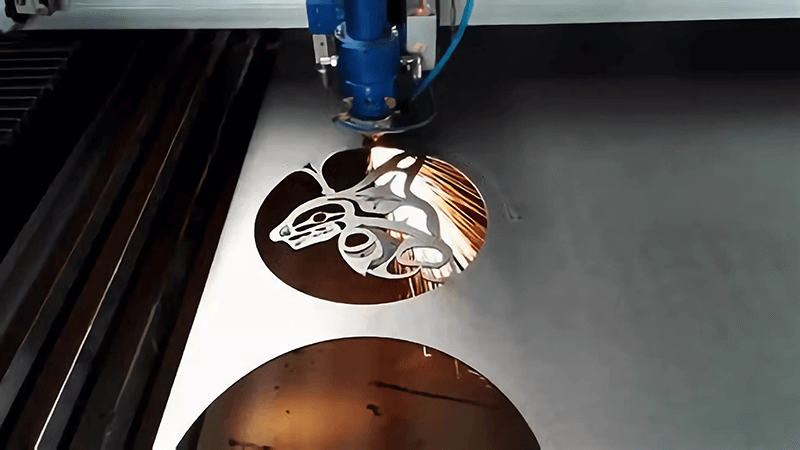
Fiber laser is the most widely used laser for modern industrial metal cutting because it gives buyers what they care about most: speed, stable cutting, cleaner edges, lower maintenance, and easier automation. CO2 laser still matters, especially for non-metal materials. But when I look at metal fabrication, OEM supply, and distributor growth, fiber laser is the clear mainstream choice. At Kirin Laser, I see this as more than a technical trend. I see it as a practical answer to daily production pressure. A good laser cutting machine should not only cut metal. It should help customers deliver faster, reduce complaints, and build long-term trust.
-
"Laser cutter - MIT Fab Lab", https://fab.cba.mit.edu/classes/865.21/topics/subtractive/heat.html. A technical review or encyclopedia source can support that fiber lasers are widely used in industrial metal cutting because of their high beam quality, efficiency, and compatibility with reflective and common sheet metals. Evidence role: expert_consensus; source type: paper. Supports: Fiber laser is a mainstream and strong option for industrial metal cutting.. Scope note: This supports the general industry position of fiber lasers in metal cutting, but it does not prove they are the best choice for every production scenario. ↩
-
"(PDF) A Review on Laser marking by Nd-Yag Laser and Fiber Laser", https://www.academia.edu/6840458/A_Review_on_Laser_marking_by_Nd_Yag_Laser_and_Fiber_Laser. A review of industrial laser sources can document the shift from older lamp-pumped solid-state lasers such as Nd:YAG toward fiber lasers, citing factors such as electrical efficiency, beam delivery, maintenance requirements, and reliability in industrial processing. Evidence role: historical_context; source type: paper. Supports: Fiber lasers have displaced Nd:YAG lasers in many industrial metal-processing applications because of integration, reliability, and production advantages.. Scope note: The source may describe a broad market and technology trend rather than proving replacement in every cutting and drilling application. ↩
-
"New fiber laser takes cutting power to the next level", https://www.mfg.marshall.edu/new-fiber-laser-takes-cutting-power-to-the-next-level/. A technical review or encyclopedia source can support that fiber lasers are widely used for industrial sheet-metal cutting because their near-infrared wavelength and beam quality are well suited to many metals. Evidence role: expert_consensus; source type: paper. Supports: For metal sheet cutting, fiber laser is the normal answer.. Scope note: This supports the general industry preference, not that fiber lasers are optimal for every metal, thickness, or production setting. ↩
-
"CO2 vs. Fiber Laser Cutting: Which Is Right for You?", https://www.estesdm.com/co2-laser-cutting-vs-fiber-laser-cutting-which-do-you-need/. Comparative studies of fiber and CO2 laser cutting can support that fiber lasers may achieve faster stainless-steel cutting and good edge quality under appropriate process parameters; downtime reduction is more indirectly supported through lower maintenance demands of solid-state fiber sources. Evidence role: case_reference; source type: paper. Supports: After switching from CO2 cutting to a fiber laser cutting machine, a metal fabrication customer cut stainless steel faster, achieved cleaner edges, and reduced downtime.. Scope note: The source would support the plausibility of the reported experience, not independently verify this specific customer case. ↩
-
"Published Paper on Laser Cutting by Dr., Dudeja.pdf - Academia.edu", https://www.academia.edu/37594071/Published_Paper_on_Laser_Cutting_by_Dr_Dudeja_pdf. Fusion laser cutting melts the workpiece and removes the molten material with an assist gas, and it is commonly associated with comparatively clean, low-oxidation cut edges when inert gases are used. Evidence role: definition; source type: education. Supports: Fusion cutting is commonly used when clean metal edges are desired.. Scope note: The source supports the process principle and typical edge-quality rationale, but actual edge cleanliness depends on material, parameters, and gas purity. ↩
-
"LaserCube Cutting: Fast and Reliable Precision Laser Cutting System", https://www.ipgphotonics.com/products/laser-systems/lasercube-cutting. Laser cutting is a system-level manufacturing process in which beam delivery, motion control, assist-gas delivery, focusing optics, thermal management, and parameter control interact to determine cut quality and productivity. Evidence role: general_support; source type: research. Supports: Multiple machine subsystems and support functions affect laser-cutting results.. Scope note: After-sales support is a service factor rather than a physical cutting variable, so technical sources will mainly substantiate the equipment and process-control components. ↩
-
"Laser Beam Focusing and Delivery Explained: Optics, Beam Paths ...", https://www.thunderlaser.com/laser-wiki/machine-and-component/how-laser-beam-focus-and-deliver.html. A technical source describing laser cutting systems can support that fiber lasers deliver light through fiber-optic cables, while many CO2 laser systems use mirror-based beam delivery, making alignment and optical-path maintenance more prominent in traditional CO2 machines. Evidence role: mechanism; source type: education. Supports: Fiber laser systems generally require less optical-path maintenance than traditional CO2 laser systems.. Scope note: The source would explain the maintenance mechanism rather than quantify downtime for every machine model. ↩
-
"What Materials Does a Laser Cutter Cut Safely - Creality Falcon", https://www.crealityfalcon.com/blogs/laser-academy/what-materials-does-a-laser-cutter-cut?srsltid=AfmBOoqWlBDVEuZY9J35oaO2nuhHXH8W9xB14Jdp2FLml-MhrMSH_iuJ. A materials-processing reference can support that CO2 lasers, operating at about 10.6 μm, are widely used for cutting and engraving many organic and polymer materials such as wood, paper, acrylic, leather, foam, and textiles. Evidence role: mechanism; source type: research. Supports: CO2 lasers are often better suited than fiber lasers for cutting or engraving many non-metal materials.. Scope note: This supports typical material compatibility; actual cut quality depends on material formulation, thickness, laser power, ventilation, and fire-safety controls. ↩