I often see buyers treat laser engraving and laser etching as the same process. That mistake can cause weak marks, slow production, and unhappy end users. I help distributors choose the right result before they choose a machine.
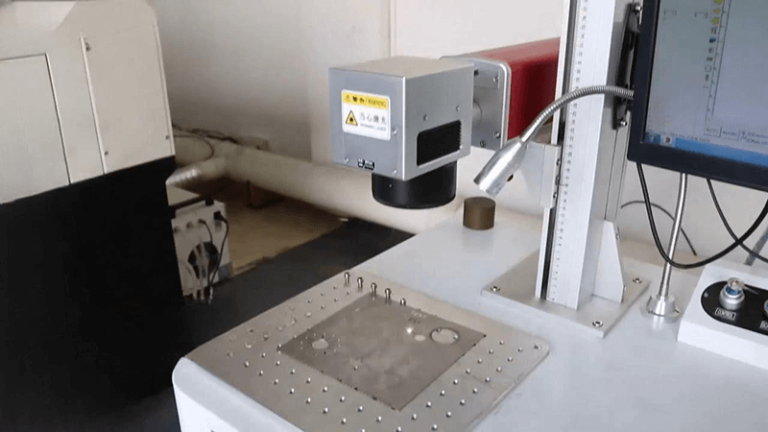
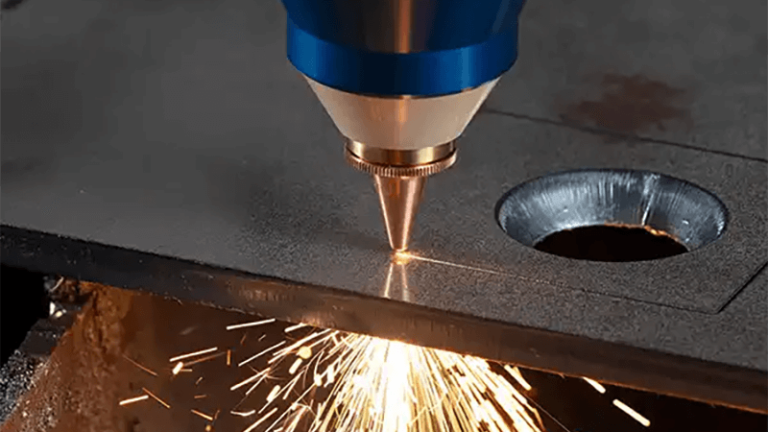
I see laser etching as a light surface process that creates contrast with little material removal. I see laser engraving as a deeper process that removes material and leaves a groove. A fiber laser engraving machine can do both when I control power, speed, frequency, focus, and passes correctly.
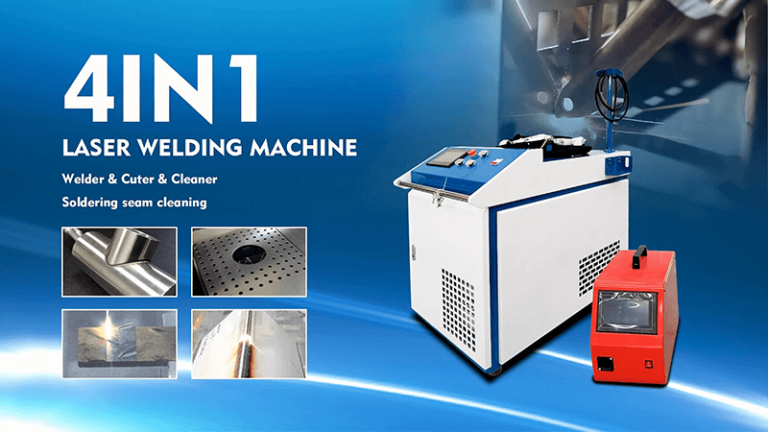
At Kirin Laser, I manufacture and support OEM laser machinery for distributors and industrial partners. I work with fiber laser marking machines, laser engraving machines, laser welding machines, and laser cleaning machines. For engraving and etching work, I focus on one simple point: the machine matters, but the laser parameters decide the final mark.
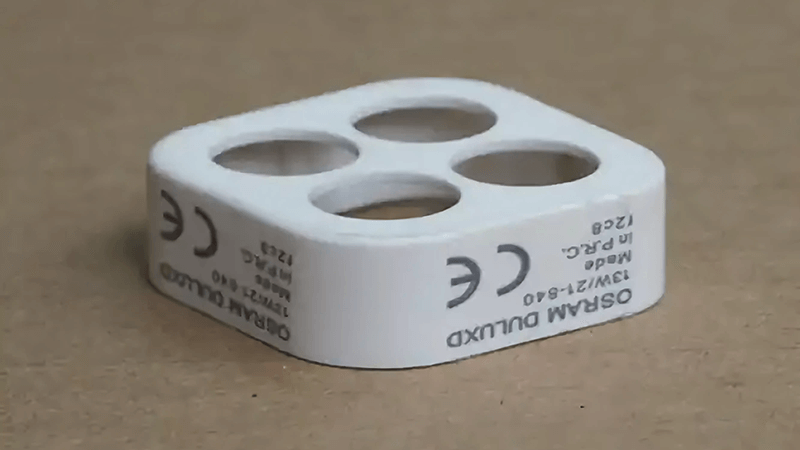
Is Laser Etched Better Than Laser Engraved?
I do not see laser etching as automatically better than laser engraving. I see many buyers choose a shallow mark because it looks clean at first. Then the mark fades after washing, abrasion, or heavy use. That problem can cost more than the first machine price.
Laser etching is better when I need speed, surface contrast, and low material removal. Laser engraving is better when I need a deep, durable, and touchable mark. I choose based on the product material, use environment, marking standard, and required service life.
I Start With the Marking Goal
I first ask what the mark must do after it leaves the factory. I do not start with a generic power setting. A decorative logo on a metal gift item has different needs than a serial number on industrial tools. A light etched mark may work well for a logo, part number, or QR code that stays in a dry and low-contact environment. A deep engraved mark may work better for tools, valves, fixtures, molds, and parts that face wear every day.
I also look at material behavior. Stainless steel, aluminum, brass, titanium, and coated metals react differently under a fiber laser.1 I can create a strong contrast on stainless steel with a light surface treatment. I can also remove more material and create a groove. The result depends on the laser settings and the product surface.
| Marking need | I usually recommend | Why I make this choice |
|---|---|---|
| Fast logo marking | Laser etching | I can create visible contrast with short cycle time |
| Decorative metal branding | Laser etching | I can keep the surface smooth and clean |
| Permanent serial numbers | Laser engraving | I can create a deeper mark that resists wear |
| Tool identification | Laser engraving | I can improve readability after handling and cleaning |
| QR codes on stable surfaces | Laser etching or engraving | I choose based on scanner needs and product use |
I Compare Durability Before I Compare Appearance
I often tell distributors that a mark can look good on the first day and still fail in the field. A shallow etched mark may lose contrast after repeated friction, chemical cleaning, or rough handling. A deep engraved mark has a physical groove, so the code or text can remain readable even after the surface changes.
I once worked with a distributor whose customer needed permanent serial numbers on stainless-steel tools. The customer first tried shallow etching because the result was fast and clean. The marks looked good, but they faded after heavy cleaning. I adjusted the fiber laser marking machine for deeper engraving. The result was clear and durable text that stayed readable after daily wear and washing.
That case showed me why I never choose engraving or etching only by appearance. I look at the full product life. I ask how often the product will be cleaned, touched, moved, stored, or used outdoors. I also ask whether the customer needs traceability for quality control, warranty records, or compliance documents.
I Use One Fiber Laser Machine for Different Results
I do not need two completely different machines to offer both processes in many metal marking jobs. A fiber laser engraving machine or fiber laser marking machine can often perform laser etching and laser engraving.2 I change the parameters to control how the laser interacts with the surface.
| Parameter I adjust | Effect on the mark |
|---|---|
| Laser power | I control how much energy reaches the surface |
| Marking speed | I control exposure time and cycle time |
| Frequency | I influence pulse behavior and surface response |
| Focus position | I control energy concentration on the material |
| Number of passes | I build depth step by step for engraving |
| Fill spacing | I control texture, coverage, and mark clarity |
I see etching as the fast, light-touch option. I see engraving as the heavy-duty route. I help OEM customers build both options into their product offer because different end users need different mark performance.

What Should You Not Laser Engrave?
I never recommend laser engraving every material that reaches a workshop. Some materials can release unsafe fumes, melt badly, catch fire, damage optics, or create a poor-quality result. I ask my customers to identify the material before they start processing.
I do not laser engrave PVC, vinyl, unknown plastics, sealed containers, batteries, flammable materials, or products with unknown coatings. I always check the material data, the machine setup, the extraction system, and the customer’s safety process before I approve a job.
I Avoid Materials That Create Unsafe Fumes
I treat material identification as a basic rule. I do not guess. Some plastics and coatings can release harmful or corrosive fumes when a laser heats them.3 PVC and vinyl are common examples. These materials can damage equipment and create serious workplace safety risks.
I also avoid unidentified plastics. A customer may call a part “plastic,” but that word does not tell me enough. It could include additives, coatings, fillers, pigments, or layered materials. I ask for the material specification or safety data before I recommend a laser process.
| Material or product | Why I avoid it | What I do instead |
|---|---|---|
| PVC or vinyl | It can release harmful and corrosive fumes | I recommend a safer approved material |
| Unknown plastic | I cannot confirm the material reaction | I request material data first |
| Fluoropolymer-coated parts | The coating can create hazardous fumes | I review the coating specification |
| Sealed containers | Pressure can build during heating | I do not process sealed items |
| Batteries | Heat can cause leakage, fire, or explosion | I keep batteries out of the laser area |
| Flammable liquids or residues | Laser heat can start a fire | I require full cleaning and risk review |
I Do Not Ignore Coatings, Adhesives, or Surface Treatments
I see many mistakes happen with coated metal parts. The base metal may be safe to engrave, but the paint, adhesive, plating, or protective film may not be suitable. I look at the complete material stack, not only the visible top layer.
A coated tumbler, painted tool, anodized aluminum tag, or plated accessory can react in very different ways. Some coatings produce clean contrast. Some coatings burn, bubble, or leave residue. Some coatings may be unsafe without proper extraction and protection.
I also avoid engraving items that may have oil, solvent, adhesive residue, or other unknown contamination. I know that a clean production line reduces both safety risk and marking defects. I tell distributors to make material checks part of their standard customer intake process.
I Protect the Machine and the Operator
I do not see safety as an optional add-on. I treat it as part of machine performance. A stable laser engraving process needs proper ventilation, suitable filtration, correct protective eyewear, enclosed work areas where needed, and trained operators4.
At Kirin Laser, I help distributors explain these points before machine delivery. I want the end user to understand what materials fit the machine and what materials do not. That support can reduce damaged lenses, unexpected downtime, poor mark quality, and customer complaints.
| Check before engraving | Why I check it |
|---|---|
| Material name and grade | I need to predict laser response |
| Coating and adhesive details | I need to avoid unsafe fumes and poor finishes |
| Surface cleanliness | I need to reduce smoke, residue, and fire risk |
| Extraction system | I need to control fumes and particles |
| Fixture stability | I need to prevent movement and marking errors |
| Test sample | I need to confirm settings before production |
I always suggest a controlled sample test before full production. I can use the test to check mark quality, contrast, depth, smell, residue, and cycle time. This simple step protects both the machine supplier and the final customer.
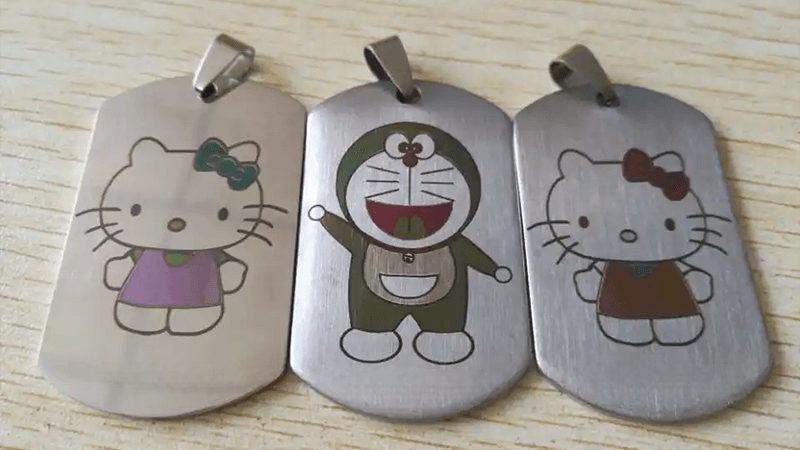
Is Etching Cheaper Than Engraving?
I often see buyers compare only the price of one marking cycle. That view is too narrow. Laser etching is often cheaper per part because I can process the surface faster and use fewer passes. Laser engraving can cost more per part because I need more energy, more time, and deeper material removal.
Laser etching is usually cheaper for high-volume, light-duty marking. Laser engraving can cost more at the start, but it can reduce replacement, remarking, and warranty costs when the mark must survive long-term wear.
I Look at Production Cost, Not Only Machine Cost
I always separate machine cost from operating cost. A fiber laser marking machine can support both etching and engraving, so the buyer may not need separate equipment. The main cost difference often comes from cycle time, electricity use, operator time, fixture design, and reject rate5.
Etching usually uses a faster process. I can create contrast with fewer passes, so I can mark more parts per hour. Engraving usually needs slower settings or multiple passes to create depth. That means the machine stays on each part for longer.
| Cost factor | Laser etching | Laser engraving |
|---|---|---|
| Cycle time | Usually shorter | Usually longer |
| Material removal | Low | Higher |
| Number of passes | Often fewer | Often more |
| Electricity use per part | Usually lower | Usually higher |
| Wear resistance | Moderate | Higher |
| Cost per part | Often lower | Often higher |
I Calculate the Cost of Failure
I do not call etching cheaper when the mark fails after the product reaches the customer. A low-cost shallow mark can become expensive if the end user cannot read the serial number, barcode, warning text, or traceability code later. The customer may need replacement labels, manual records, rework, or warranty support.
I see this often in industrial supply chains. A distributor may sell a marking machine to a factory that makes metal components. That factory may choose shallow etching to save seconds per part. Then the final customer may expose the part to cleaning, abrasion, outdoor weather, or repeated handling. The mark may lose contrast. The factory may then need to remark parts or redesign the process.
I prefer to compare the full cost over the product life. I ask whether the mark still needs to work after six months, one year, or five years. I ask whether failure creates a safety issue, a traceability issue, or a customer service issue.
I Match the Process to the Business Model
I recommend laser etching when a distributor serves customers who need fast branding, light product coding, decorative work, or large batch runs with low wear requirements. I recommend laser engraving when the distributor serves customers in tools, automotive parts, machinery, aerospace components, medical devices, or industrial equipment where traceability matters6.
At Kirin Laser, I also consider the distributor’s market position. Some distributors compete on price. Some distributors compete on durability and technical support. A fiber laser engraving machine gives both groups flexibility, but I help them build the right process package around the machine.
| Business need | Process I often suggest | Main reason |
|---|---|---|
| Fast promotional marking | Etching | I can reduce cycle time |
| OEM logo marking | Etching | I can create clean contrast |
| Industrial serial marking | Engraving | I can improve long-term readability |
| Heavy-use tools | Engraving | I can create deeper grooves |
| Mixed customer base | Both options | I can use one fiber laser platform with different parameters |
I do not promise that one process always costs less. I test the part, set the parameters, measure the cycle time, and compare the total job cost.
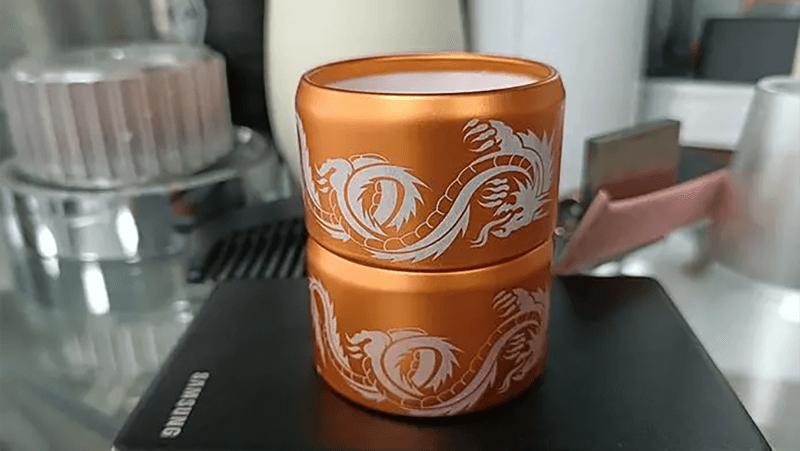
How to Tell Engraving vs Etching?
I can usually tell laser engraving and laser etching by looking at the depth, touching the surface, checking the edge shape, and reviewing the laser settings. Etching changes the top surface. Engraving removes more material and leaves a more obvious groove.
I tell my customers to check the mark with their eyes, fingers, and a simple depth gauge. A shallow mark may look dark or high contrast but feel almost smooth. A deep engraved mark usually has a clear recessed texture.
I Use a Simple Visual and Touch Test
I first inspect the mark under good light. I look for depth, edge sharpness, texture, and contrast. Laser etching often creates a surface-level change.7 The mark may look darker, lighter, frosted, or slightly rough. It may be easy to see but hard to feel.
Laser engraving removes more material. I can usually feel the groove with my fingernail. The edges may appear more defined because the laser has cut into the surface. On metal parts, the engraved text may create shadows that make the mark easier to see from different angles.
| Test point | Laser etching | Laser engraving |
|---|---|---|
| Surface depth | Very shallow | Noticeably deeper |
| Finger test | Often feels smooth | Usually feels recessed |
| Material removal | Limited | Clear material removal |
| Edge shape | Softer or lighter | More defined groove |
| Wear resistance | Lower to moderate | Moderate to high |
| Typical cycle time | Faster | Slower |
I Use Measurement When the Mark Matters
I do not rely only on appearance when a customer needs quality control. A production part may need a consistent depth, readable data code, or permanent serial number. In these cases, I use a simple inspection process.
I can measure depth with a suitable gauge, inspect the mark under magnification, scan a QR code or barcode, and run a basic abrasion or cleaning test. I also compare sample parts from the start, middle, and end of a production batch. This process helps me catch drift in focus, fixture position, lens cleanliness, or material quality.
I also explain that the word “etching” can mean different things in the market. Some suppliers use “laser etching” to describe any light laser mark. Some marks may actually involve surface oxidation, color change, or shallow material removal. I do not depend on the label alone. I look at the real result.
I Document the Parameters for Repeat Orders
I want distributors and OEM customers to repeat a successful mark without starting from zero. I save the laser settings, lens details, fixture position, material information, and sample photos. That record helps me reproduce the same result for the next order.8
At Kirin Laser, I support this process because I know distributors need consistency. A distributor may sell the same fiber laser marking machine to several end users. Each customer may use different materials, logos, serial formats, and production speeds. Clear parameter records help the distributor provide better technical support.
| Record I save | Why I save it |
|---|---|
| Material type and thickness | I need to repeat the material response |
| Laser power and speed | I need to repeat mark intensity |
| Frequency and fill settings | I need to repeat texture and contrast |
| Lens type | I need to repeat spot size and work area |
| Number of passes | I need to repeat engraving depth |
| Sample image and inspection result | I need to confirm the accepted quality level |
I see this documentation as part of a complete OEM laser solution. The machine creates the mark, but the saved process knowledge creates a reliable business.
Conclusion
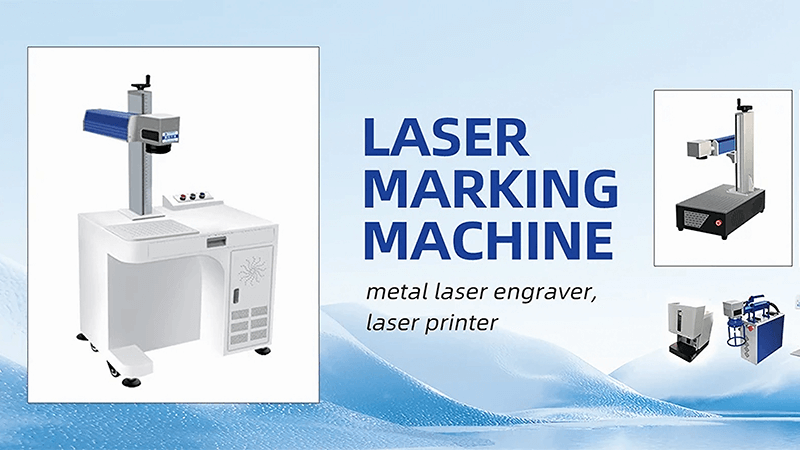
I see laser etching and laser engraving as two different results from the same laser platform. Etching gives me speed and surface contrast. Engraving gives me depth and long-term durability. At Kirin Laser, I help distributors choose the right fiber laser engraving machine settings for each customer, material, and market. I always recommend that buyers test real samples before they promise a result. That simple step helps them control cost, protect quality, and build stronger long-term customer relationships.
-
"Laser Material Interaction - an overview | ScienceDirect Topics", https://www.sciencedirect.com/topics/engineering/laser-material-interaction. Materials-processing literature describes laser–metal interaction as dependent on material properties such as absorptivity, thermal conductivity, melting behavior, and surface condition, supporting the claim that different metals respond differently to fiber-laser marking. Evidence role: mechanism; source type: paper. Supports: Different metals, including stainless steel, aluminum, brass, titanium, and coated metals, respond differently during fiber laser marking.. Scope note: The source may explain general laser-material interaction rather than test every listed metal under the same marking parameters. ↩
-
"Laser Cutting (Approved Materials) - MEAM.Design", https://medesign.seas.upenn.edu/index.php/Guides/NewLaserCuttingMaterials. Laser processing references describe marking, etching, and engraving as outcomes controlled by laser parameters such as energy density, speed, pulse behavior, and number of passes, supporting the claim that one fiber-laser system can produce different mark types within its capability range. Evidence role: mechanism; source type: research. Supports: A single fiber laser marking or engraving machine can often perform both etching and engraving by changing process conditions.. Scope note: The support is conditional because actual capability depends on the machine power, optics, pulse characteristics, software, and target material. ↩
-
"Laser Cutter Safety", https://ehs.wisc.edu/laser-cutter-safety/. Laser-cutter safety guidance from university environmental health and safety programs states that heating or cutting certain plastics can produce toxic or corrosive decomposition products, supporting the need to identify materials before laser processing. Evidence role: general_support; source type: education. Supports: Some plastics and coatings can release harmful or corrosive fumes when a laser heats them.. Scope note: Such guidance is generally written for laser cutting/engraving safety and may not address every industrial laser wavelength or material formulation. ↩
-
"Essential Information on Laser Safety | LaserSafetyCertification.com", https://www.lasersafetycertification.com/laser-safety-info/. Occupational laser safety standards and institutional laser safety manuals identify engineering controls, ventilation for process-generated contaminants, protective eyewear, controlled or enclosed work areas, and operator training as core elements of laser hazard control. Evidence role: expert_consensus; source type: institution. Supports: A stable and safe laser engraving process requires ventilation, filtration, protective eyewear, appropriate enclosure or controlled areas, and trained operators.. Scope note: Specific control requirements depend on laser class, wavelength, power, material, and exposure assessment. ↩
-
"[PDF] FEATURE BASED COSTING OF EXTRUDED PARTS - IDEALS", https://www.ideals.illinois.edu/items/16542/bitstreams/59566/data.pdf. Shows that manufacturing cost estimation commonly includes processing time, energy consumption, labor, tooling or fixture requirements, and scrap or rejection rates when calculating unit production cost. Evidence role: general_support; source type: paper. Supports: The main production cost difference comes from cycle time, electricity use, operator time, fixture design, and reject rate.. Scope note: The source may describe manufacturing cost models generally rather than laser marking specifically. ↩
-
"Automotive Part Marking 101 | Component Traceability - TechnoMark", https://www.technomark-inc.com/direct-part-marking-101-automotive-part-marking/. Establishes that regulated or safety-critical sectors such as automotive, aerospace, and medical devices use part identification and traceability systems to support quality control, recalls, maintenance records, and regulatory compliance. Evidence role: expert_consensus; source type: government. Supports: Traceability is important for automotive parts, machinery, aerospace components, medical devices, and industrial equipment.. Scope note: The source may address traceability requirements by sector rather than proving that engraving is always the preferred marking method. ↩
-
"3D Laser Engraving - GSD FabLab", https://fablab.gsd.harvard.edu/3d-laser-engraving/. A technical reference on laser material processing supports that laser marking/etching can produce shallow surface modifications such as color, oxide, or texture changes rather than deep material removal. Evidence role: definition; source type: education. Supports: Laser etching often creates a surface-level change.. Scope note: Terminology varies across industries, so the source may discuss 'laser marking' or 'laser surface modification' rather than the exact commercial phrase 'laser etching.' ↩
-
"Quality Control in Manufacturing: Overview and Best Practices", https://www.6sigma.us/manufacturing/quality-control-in-manufacturing/. Quality-management guidance on process control and documented information supports that recording process parameters and inspection results helps maintain repeatability and reproduce accepted production outcomes. Evidence role: general_support; source type: institution. Supports: Saving laser settings, fixture details, material information, photos, and inspection results helps reproduce a successful mark in later orders.. Scope note: Quality-management sources support documentation as a repeatability practice in general manufacturing, not specifically every laser-marking order. ↩