Old paint on wooden door frames looks simple at first. Then I see thick layers, narrow grooves, brittle trim, and dust risk. One wrong method can turn a small restoration job into damaged wood, messy cleanup, and extra cost.
The best way to remove paint from wooden door frames is to use a controlled method that matches the paint thickness, wood condition, and safety risk. For detailed trim, I prefer a pulsed laser cleaning machine because it can remove paint layer by layer with less sanding dust and less chemical waste when parameters are tested first.
Most people ask this question because they want a clean result without ruining the frame. I understand that goal very well. At Kirin Laser, I do not see paint removal as a force problem. I see it as a control problem. The real question is not only “How can I remove the paint?” The better question is “How can I remove the paint while keeping the wood profile, reducing mess, and protecting the next finish?”
How to Remove Old Paint from Wooden Door Frame?
Old paint on a wooden door frame often hides in corners, grooves, and trim lines. I have seen teams spend hours scraping the flat areas, then lose patience around the details. That is when scratches, rounded edges, and uneven surfaces usually happen.
To remove old paint from a wooden door frame, I first inspect the paint, test for lead risk, remove hardware, protect nearby surfaces, and choose a controlled removal method. For thick or detailed paint layers, I prefer pulsed laser cleaning because it can strip paint in passes instead of forcing the whole layer off at once.
My Practical Process
When I look at an old wooden door frame, I do not start with the machine. I start with the surface. I check if the wood is dry, cracked, rotten, or already weak. I also check if the door frame may have lead-based paint, especially in older buildings. If lead is possible, I treat the job as a safety project first.1 Paint removal is not worth creating harmful dust or uncontrolled waste.
Then I remove hardware if possible. Hinges, plates, screws, and locks can block access. They can also reflect the laser or get damaged by chemical strippers. If the hardware cannot be removed, I cover it and mark it as a no-clean zone. After that, I clean loose dust and dirt from the frame. A dirty surface makes it harder to judge the real paint layer.
For old paint, I like to use a small test area first. This step matters more than most people think. Old paint may have many layers. One frame may include primer, oil paint, latex paint, and repair filler. A pulsed laser cleaning machine works best when I tune the power, pulse frequency, scan speed, and cleaning width to the real surface. I do not use the highest power first. I start low. Then I increase the setting only when I see that the paint is lifting cleanly.
| Step | What I Check | Why It Matters |
|---|---|---|
| Inspect the wood | Rot, cracks, soft areas, carved details | Weak wood can be damaged by any removal method |
| Check paint risk | Age, lead possibility, unknown coating | Safety controls may be needed before work starts |
| Prepare the area | Remove hardware, cover walls, protect floors | Door frames are connected to finished spaces |
| Test parameters | Low power, small hidden area, slow adjustment | Wood reacts differently by species and moisture |
| Remove in passes | Layer by layer, not all at once | It protects trim edges and reduces over-cleaning |
Why I Prefer a Pulsed Laser for Detailed Frames
A wooden door frame has more geometry than a flat board. It has inner corners, raised trim, narrow edges, and old brush marks. Sanding can flatten those details. Scraping can dig into the grain. Chemical stripper can soften paint, but it can also leave residue inside grooves. That residue may affect the next primer or finish.
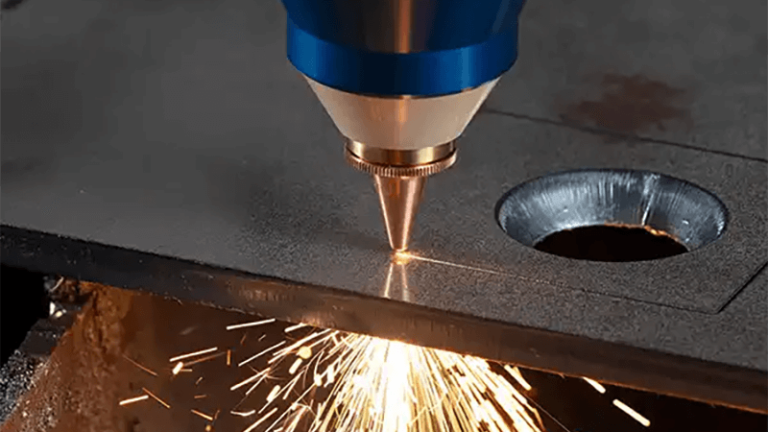
A pulsed laser cleaning machine gives me a more controlled path. The laser energy targets the paint layer.2 The operator can move across the frame in small passes. The goal is not to burn the paint away with brute force. The goal is to break the bond between the paint and the surface in a controlled way. This is why I always talk about testing first. Wood is organic. Pine, oak, walnut, and old repaired trim do not react the same way.
My Field Story
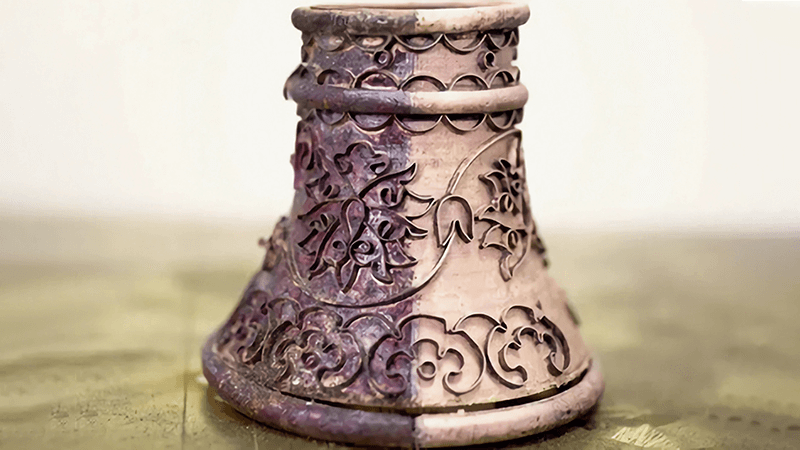
I once worked with a restoration team that had old paint stuck deep in wooden door frame grooves. Sanding was slow and messy. It also started to round the small trim details. We tested a pulsed laser cleaning machine at low power first. Then we removed the paint layer by layer. The biggest win was control. The wood details stayed sharp, and the team avoided the heavy dust and chemical mess they expected.

What Is the Best Way to Remove Paint from Wood Without Damaging the Wood?
Many people think the best method is the fastest one. I do not agree. Fast removal can be expensive if it leaves gouges, burn marks, raised grain, or chemical residue. The best method is the one that gives control before it gives speed.
The best way to remove paint from wood without damaging the wood is to match the removal method to the wood condition and the coating type. For high-value trim and detailed frames, I often recommend pulsed laser cleaning because it can remove paint with precise control when the operator uses the right settings.
The Core Rule: Protect the Substrate First
In my view, the wood is the asset. The paint is the layer to remove. That sounds simple, but many projects fail because the method attacks both at the same time. Aggressive sanding removes paint, but it also removes wood. A sharp scraper removes paint, but it can cut across the grain. Heat guns soften paint, but they can scorch wood and create fumes.3 Chemical strippers can work, but they need dwell time, scraping, cleanup, and neutralization. They can also be unpleasant in tight indoor areas.
A pulsed laser cleaning machine changes the workflow. It lets me focus energy on the coating layer. It also lets me adjust cleaning strength. This makes it useful when the wood profile matters. Door frames often have small ridges and curved trim. Once those shapes are damaged, they are hard to restore. I would rather remove paint in three controlled passes than damage the frame in one fast pass.
I still do not describe laser cleaning as magic. It is a professional tool. It needs training, eye protection, fume extraction, and parameter testing. It also needs a realistic expectation. If paint has deeply entered open wood grain, some shadowing may remain.4 If the wood is already burned, rotten, or patched, paint removal will reveal those problems. The laser does not repair damaged wood. It only helps expose and clean the surface with control.
| Method | Main Benefit | Main Risk | My View |
|---|---|---|---|
| Sanding | Low tool cost and easy access | Dust, rounded edges, wood loss | Good for final smoothing, not ideal for detailed stripping |
| Scraping | Simple and direct | Gouges and uneven pressure marks | Useful for loose paint, risky on profiles |
| Chemical stripper | Can soften multiple layers | Residue, odor, cleanup, safety concerns | Useful in some jobs, but messy indoors |
| Heat gun | Speeds softening | Scorching and fumes | Needs care and steady movement |
| Pulsed laser cleaning | Controlled layer removal | Needs training and correct settings | Strong option for detailed trim and repeat work |
Why Damage Happens
Most wood damage happens because the operator loses control. The tool may be too aggressive. The pressure may be uneven. The operator may rush corners. The surface may be weaker than expected. This is why I like a test-first approach. I want to know how the paint behaves before I touch the main visible area.
For a pulsed laser cleaning machine, I test several factors. I look at the beam path, scan speed, power, focus distance, and number of passes. I watch the color of the wood after each pass. I also check the surface temperature and smell. If the wood darkens too quickly, I stop and lower the energy. If the paint does not lift, I adjust in small steps. This is the difference between controlled cleaning and blind cleaning.
My Recommendation from Kirin Laser
From the Kirin Laser point of view, the best method depends on the job type. A homeowner doing one small frame may choose a simple hand method if the paint is safe and the trim is not valuable. A restoration contractor, door manufacturer, furniture shop, or cleaning service may need repeatable quality. In that case, a pulsed laser cleaning machine becomes more attractive. It helps reduce manual labor, keep details sharp, and create a cleaner process for many similar jobs.

How to Remove Paint from Door Frame Without Sanding?
Sanding is common, but it is not always the best first step. Door frames have corners and profiles that do not sand evenly. Sanding also creates fine dust. If the paint is old or unknown, that dust can become a serious safety concern.
To remove paint from a door frame without sanding, I would consider pulsed laser cleaning, controlled scraping, chemical stripping, or a heat-based method. For detailed wood frames, I prefer pulsed laser cleaning because it reduces the need for abrasive contact and helps keep the original shape of the trim.
Why I Avoid Sanding as the Main Removal Method
I use sanding as a finishing step, not always as a stripping step. Sanding can be useful after the main paint layer is gone. It can smooth raised grain, blend small marks, and prepare the surface for primer. But when sanding becomes the main removal method, it can create several problems.
First, sanding produces dust. This matters in homes, hotels, offices, schools, and historic buildings. It also matters when the paint age is unknown. Second, sanding can erase detail. A door frame is not only a flat surface. It has sharp inside corners, rounded profiles, and small decorative lines. Sandpaper does not treat each area equally. It often removes more from high points and less from low points. This creates a soft, worn shape instead of a clean original profile.
Third, sanding takes time. Workers often start with patience. Then the corners slow them down. The result becomes uneven. Some areas are over-sanded, and some still hold old paint. This is why I see many contractors search for “paint removal without sanding.” They do not only want less work. They want better control.
| No-Sanding Method | Best Use Case | Limit |
|---|---|---|
| Pulsed laser cleaning | Detailed trim, repeated jobs, controlled removal | Requires machine setup and trained operation |
| Chemical stripper | Thick paint layers and small DIY areas | Needs cleanup and residue control |
| Scraping | Loose or flaking paint | Can gouge wood if pressure is uneven |
| Heat gun | Softening old paint before scraping | Can scorch wood and create fumes |
| Infrared paint remover | Larger flat areas | Less flexible in small grooves |
Why Laser Cleaning Fits the No-Sanding Goal
A pulsed laser cleaning machine removes paint without abrasive contact5. That is the key point. The operator does not press sandpaper into the wood grain. The machine sends pulsed energy to the coating. The paint absorbs energy, breaks down, and releases from the surface6. The operator can then move across the frame in controlled passes.
This is useful around trim details. For example, a raised door frame edge may only be a few millimeters wide. Sanding that edge can flatten it. A scraper can chip it. A laser can follow it with less physical force. The quality still depends on the operator, but the method gives a better chance to preserve detail.
What I Would Do in a Real Job
If a client asked me how to remove paint from a door frame without sanding, I would not tell them to skip preparation. I would tell them to reduce sanding, not ignore surface prep. I would inspect the frame, protect nearby surfaces, test a hidden area, and set the laser for low-energy passes. I would remove the coating slowly around the decorative areas. Then I would use light hand finishing only where needed.
That is a better workflow. The laser does the heavy paint removal. The operator uses light finishing only to prepare for coating. This reduces dust, reduces wood loss, and keeps the frame closer to its original shape. At Kirin Laser, this is the kind of practical benefit I care about. I do not want a machine that only looks advanced. I want a machine that solves the real job site problem.

What Will Take Old Paint Off Wood?
Old paint can be stubborn. Some layers are dry and brittle. Some are rubbery. Some have bonded deep into open grain. Some sit over old primer, filler, or stains. One product or tool rarely works for every wood surface.
Old paint can be removed from wood with chemical strippers, scraping, heat tools, sanding, media blasting, or pulsed laser cleaning. My preferred choice for detailed wooden door frames is pulsed laser cleaning because it gives controlled paint removal while reducing abrasive damage and heavy chemical cleanup.
The Main Options
I divide old paint removal methods into four groups: chemical, mechanical, thermal, and laser-based. Each group can work. Each group can also fail if it is used in the wrong place.
Chemical strippers soften paint. They can be useful when the paint is thick and the shape is complex. But they often need time. They also need scraping, disposal, and cleaning after the paint lifts. If residue stays in the grain, the next coating may not bond well.
Mechanical methods include scraping, sanding, and blasting. These methods are direct. They can also be aggressive. Sanding creates dust. Scraping can cut the wood. Blasting can be too strong for soft wood or detailed trim. Mechanical methods may be fine for rough surfaces, but I use them carefully on door frames.
Thermal methods include heat guns and infrared tools. They soften the paint so it can be scraped away. They can reduce some sanding, but they need attention. Too much heat can scorch the wood. Some coatings may release harmful fumes. Heat also does not solve the problem of tight grooves by itself.
Pulsed laser cleaning is different. It uses short laser pulses to remove the coating from the surface.7 It can be adjusted for different paint layers and wood types. It is especially useful when detail, cleanliness, and repeatability matter.
| Paint Removal Group | Examples | Good Point | Weak Point |
|---|---|---|---|
| Chemical | Gel stripper, paste stripper | Can soften thick layers | Mess, dwell time, cleanup |
| Mechanical | Scraper, sanding, blasting | Simple and direct | Dust and surface damage |
| Thermal | Heat gun, infrared tool | Speeds paint softening | Burn risk and fumes |
| Laser-based | Pulsed laser cleaning machine | Controlled and non-abrasive | Needs training and investment |
How I Choose the Right Method
I start with the surface value. If the wood is cheap and will be repainted, the method can be simple. If the frame is historic, carved, expensive, or part of a premium interior, I choose a more controlled method. I also look at the job scale. One small frame is different from a hotel renovation, factory restoration project, or door manufacturing line.
For professional users, the cost of paint removal is not only tool cost. It includes labor time, rework, dust control, cleanup, coating failure, customer complaints, and worker comfort. A low-cost method can become expensive if it damages trim or creates a long cleanup process.
This is where a Kirin Laser pulsed laser cleaning machine makes sense. It helps users remove coatings with a cleaner process. It also supports repeatable work. A distributor or restoration service can use it for wood, metal, stone, and other suitable surfaces with correct settings. That flexibility matters when a business wants more than one application from one machine.
What I Tell Buyers Before They Choose Laser Cleaning
I always tell buyers to think in terms of samples. Do not buy a machine only based on wattage. Send material samples or describe the real coating. A 100W, 200W, 300W, or higher pulsed laser cleaner may behave differently on different paint systems. The right answer depends on the paint thickness, wood type, job speed, and finish target.
I also remind buyers that wood needs careful settings. A pulsed laser is usually better than a continuous-wave laser for delicate surfaces because it gives more controlled energy delivery. But even a pulsed system needs proper testing. The operator should use eye protection, fume extraction, and safe work habits.8 Paint removal is still a material-removal process. It needs respect.
From my experience, the strongest reason to use laser cleaning on wood is not only speed. It is control. When a door frame has grooves, trim lines, and old paint packed into corners, control is what protects the value of the wood.

Conclusion
Removing paint from wooden door frames is not only about getting the paint off. It is about protecting the wood, controlling dust, reducing mess, and preparing the surface for the next finish. I still see a place for scraping, chemical stripping, heat tools, and light sanding. But when the frame has detail or the job needs repeatable quality, I trust pulsed laser cleaning more. At Kirin Laser, I look at this problem as a precision job. The right machine, the right settings, and a test-first process can turn a risky paint removal task into a cleaner and more controlled workflow.
-
"Protect Your Family from Sources of Lead | US EPA", https://www.epa.gov/lead/protect-your-family-sources-lead. EPA lead-safe renovation guidance states that disturbing lead-based paint in older buildings can generate hazardous lead dust and debris, supporting the need to treat suspected lead-paint removal as a controlled safety task. Evidence role: expert_consensus; source type: government. Supports: When lead-based paint may be present, paint removal should be approached first as a safety project because disturbance can create harmful dust and waste.. Scope note: This supports the safety rationale for suspected lead paint generally; it does not verify that any specific door frame contains lead. ↩
-
"Research on Laser Cleaning Technology for Aircraft Skin Surface ...", https://pmc.ncbi.nlm.nih.gov/articles/PMC11123212/. Studies of laser cleaning describe pulsed laser ablation as a process in which optical and thermal interactions can preferentially remove surface coatings while limiting substrate exposure when parameters are controlled. Evidence role: mechanism; source type: paper. Supports: Pulsed laser cleaning can selectively act on a paint layer and provide controlled coating removal when parameters are properly set.. Scope note: This supports the mechanism of selective laser cleaning in general; actual control and substrate safety depend on coating composition, wood condition, wavelength, pulse duration, fluence, and operator settings. ↩
-
"Preservation Briefs 10: Exterior Paint Problems on Historic ...", https://www.nps.gov/orgs/1739/upload/preservation-brief-10-paint-problems-exterior-woodwork.pdf. A preservation or occupational-safety source notes that heat-based paint removal can char combustible substrates and may release hazardous fumes from old coatings, supporting the stated risks of heat guns. Evidence role: general_support; source type: government. Supports: Heat guns can soften paint but may scorch wood and produce hazardous fumes.. Scope note: The fume risk varies with coating composition, temperature, ventilation, and whether lead or other hazardous additives are present. ↩
-
"Selection and Application of Exterior Finishes for Wood", https://www.extension.purdue.edu/extmedia/ncr/ncr-135.html. A wood-finishing or conservation source explains that porous wood anatomy and open grain can retain pigments or finishes below the surface, supporting the possibility of residual discoloration after coating removal. Evidence role: mechanism; source type: education. Supports: Paint or pigment that has penetrated open wood grain may leave residual shadowing after surface removal.. Scope note: The source may address stain or finish penetration generally, so it supports the mechanism of retained color rather than guaranteeing shadowing after laser removal in all cases. ↩
-
"Research Progress and Challenges in Laser-Controlled Cleaning of ...", https://pmc.ncbi.nlm.nih.gov/articles/PMC9410451/. Technical literature on laser cleaning describes it as a non-contact surface-cleaning process in which laser radiation removes coatings or contaminants without mechanical abrasion, supporting the characterization of pulsed laser cleaning as non-abrasive. Evidence role: definition; source type: paper. Supports: A pulsed laser cleaning machine removes paint without abrasive contact.. Scope note: The source supports the general operating principle; actual substrate effects depend on wavelength, pulse duration, fluence, coating type, and operator settings. ↩
-
"Research Progress and Challenges in Laser-Controlled Cleaning of ...", https://pmc.ncbi.nlm.nih.gov/articles/PMC9410451/. Research on laser ablation of coatings explains that absorbed laser energy can cause rapid thermal, photochemical, or mechanical effects that detach coating material from a substrate, supporting the described mechanism of paint release. Evidence role: mechanism; source type: paper. Supports: Laser energy is absorbed by the coating, causing it to break down or detach from the surface.. Scope note: The exact mechanism varies by paint chemistry, substrate, laser wavelength, pulse length, and fluence, so the source provides a general mechanism rather than job-specific proof. ↩
-
"Research Progress and Challenges in Laser-Controlled ...", https://pmc.ncbi.nlm.nih.gov/articles/PMC9410451/. Laser-cleaning research describes pulsed laser ablation as a process in which short-duration laser pulses remove surface layers or contaminants through localized energy absorption; this supports the mechanism described here, though removal efficiency depends on wavelength, fluence, pulse duration, and material properties. Evidence role: mechanism; source type: paper. Supports: Pulsed laser cleaning removes coatings from a surface using short laser pulses.. Scope note: General laser-cleaning mechanism; not direct proof of performance on every paint-and-wood combination. ↩
-
"OSHA Technical Manual (OTM) - Section III: Chapter 6 - OSHA", http://www.osha.gov/otm/section-3-health-hazards/chapter-6. Laser-safety standards and occupational-safety guidance identify protective eyewear, controlled exposure practices, and ventilation or extraction for laser-generated airborne contaminants as key safeguards; this supports the stated safety requirements, although the exact controls depend on laser class, wavelength, enclosure, and material being removed. Evidence role: expert_consensus; source type: institution. Supports: Operators using laser cleaning equipment should use eye protection, fume extraction, and safe work practices.. Scope note: Specific PPE and extraction requirements must be determined by a job-specific laser safety and exposure assessment. ↩