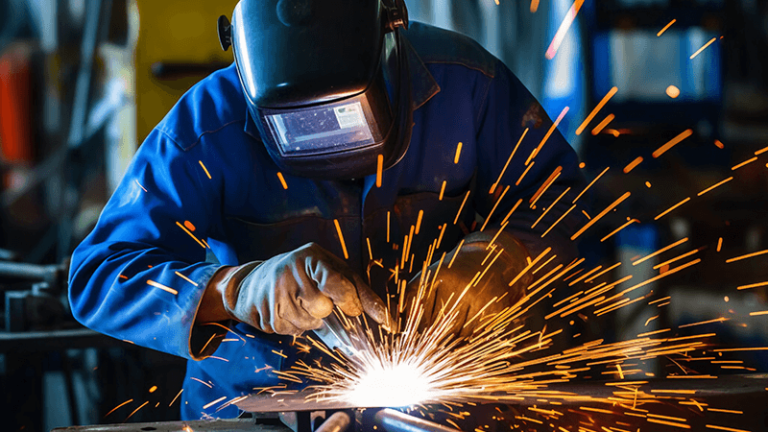
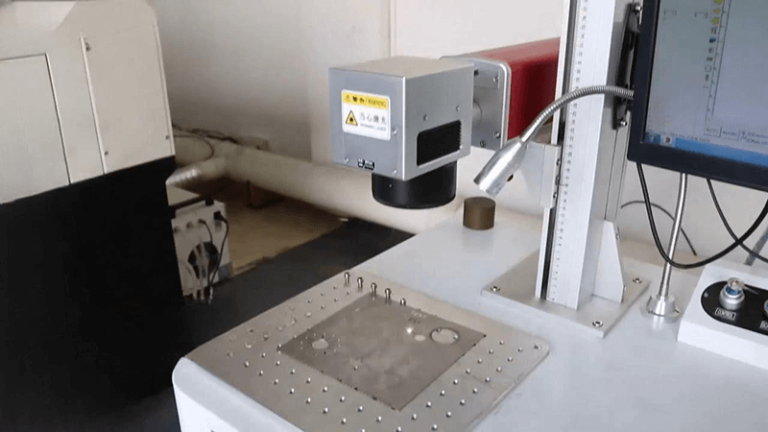
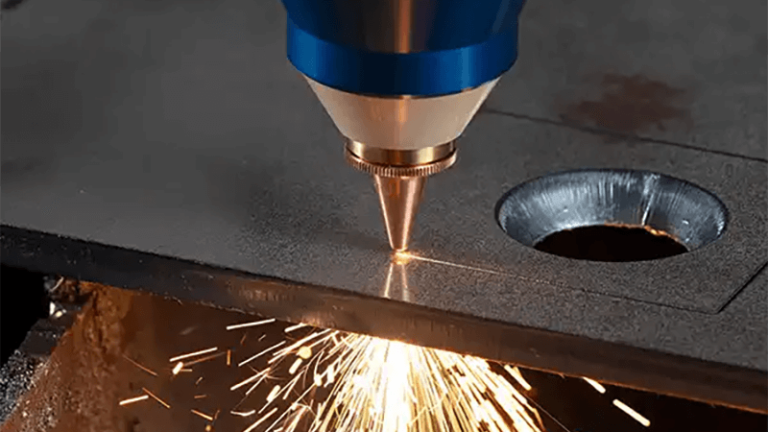
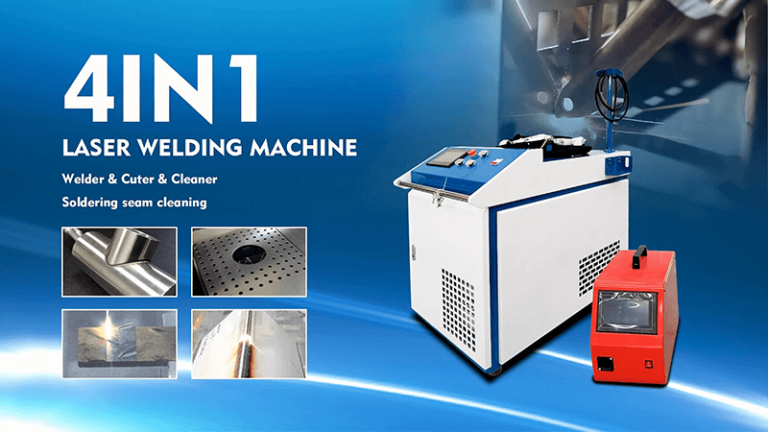
When it comes to precision and speed, not every laser machine is built the same. Many businesses invest heavily in power but miss what truly drives performance — beam quality, optics, and control systems.
The best laser cutting machine in 2025 is the one that balances power, precision, and cost efficiency — and fiber laser technology leads this race.
Choosing the right laser cutter isn’t just about watts. It’s about matching technology with real production needs. In this post, I’ll share lessons from our clients at Kirin Laser and explain how to choose the right laser cutting machine for your business in 2025.

Laser Cutting, what is the best?
Many shops still think more power means better performance. I’ve seen people chase 20 kW machines without understanding beam delivery or lens setup. That mistake can burn through budgets faster than metal plates.
The best laser cutting setup is one that aligns your power source, optics, and motion system — not just the wattage label.
Going Deeper: What Makes a Laser Cutter Truly the Best
A laser cutter isn’t just a laser. It’s an integrated system. At Kirin Laser, we’ve learned that cutting performance depends on three pillars:
| Component | Why It Matters | Kirin Laser’s Optimization |
|---|---|---|
| Laser Source1 | Determines beam consistency and stability | Fiber lasers with Raycus or IPG sources |
| Optical Path2 | Directs energy efficiently to material | Adjustable fiber delivery for different materials |
| Motion System | Controls precision and edge smoothness | Servo-driven mechanics with micron-level feedback |
Last year, one of our clients bought a 20 kW laser from another brand. They struggled to cut beyond 12 mm stainless because of poor beam path design. After we re-engineered their optical head and recalibrated beam collimation, they were cutting 25 mm plates effortlessly. Power matters, but precision in delivery matters more.
So, when people ask what’s the best — it’s not just about brand or power. It’s about how well your system is balanced from laser source to cutting head.

What is the best laser cutting machine?
There’s no one-size-fits-all machine. But if I had to name one technology that dominates 2025, it’s the fiber laser cutting machine.
Fiber laser cutting machines are the best choice in 2025 for precision, low maintenance, and energy efficiency — perfect for metal fabrication across industries.
Dive Deeper: Why Fiber Laser Cutting Machines Dominate 2025
Let’s break down the advantages:
1. Efficiency and Cost
Fiber lasers convert over 40% of electrical energy into light, while CO₂ lasers average only 10%. That means lower power bills and less heat waste.
2. Maintenance
No mirrors, no gas lenses, no constant alignment. Our customers report 60% less downtime after switching to Kirin’s fiber units.
3. Performance on Metals
They cut reflective materials like copper, brass, and aluminum with ease — something older systems couldn’t handle well.
| Feature | Fiber Laser3 | CO₂ Laser |
|---|---|---|
| Energy Efficiency4 | High (40%) | Low (10%) |
| Maintenance | Minimal | Frequent |
| Cutting Reflective Metals | Excellent | Poor |
| Beam Delivery | Through fiber cable | Through mirrors |
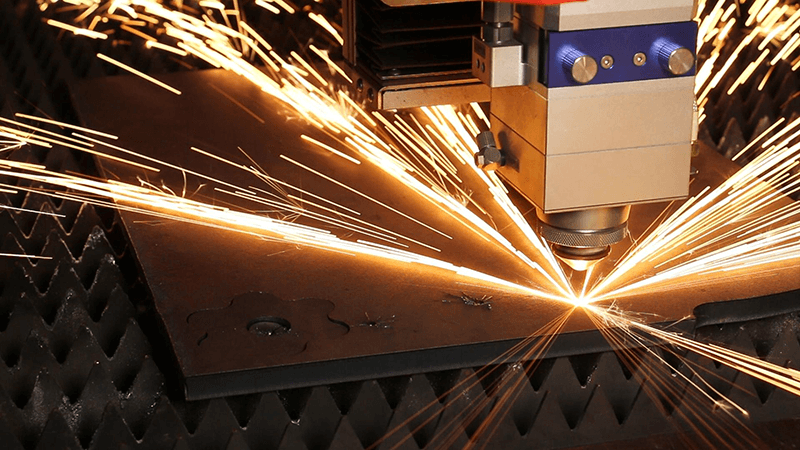
A mid-size metal shop I worked with last year upgraded from a 2 kW CO₂ to our 3 kW fiber model. Their cutting speed tripled, power use dropped 40%, and their operator called it “like moving from a pickup to a race car.”
Fiber laser technology continues to outperform others not because of hype, but because it delivers consistent, cost-effective results day after day.
Which type of laser machine is best?
Many types exist — CO₂, fiber, and crystal (YAG or YVO₄). But for modern manufacturing, the winner is clear.
For metals, fiber laser machines are the best type due to their speed, precision, and low operational cost.
Dive Deeper: Comparing Laser Types by Application
Each technology has its place. Here’s how I help clients choose:
| Type | Best For | Not Ideal For | Typical Power | Lifespan |
|---|---|---|---|---|
| Fiber Laser5 | Metal cutting, engraving | Non-metals | 1–20 kW | 100,000 hours |
| CO₂ Laser6 | Wood, acrylic, plastics | Thick metals | 40–400 W | 20,000 hours |
| Crystal (YAG/YVO₄) | Precision marking | Large-scale cutting | 20–200 W | 15,000 hours |
The fiber laser stands out because of its scalability. Whether a small shop or large manufacturer, you can start with 1.5 kW and go up to 20 kW — all with the same optical principle. At Kirin Laser, we customize machines to fit the user’s workflow — not the other way around.
The combination of speed, low maintenance, and flexibility makes fiber lasers not just a trend, but the new industrial standard.
What is better than laser cutting?
It’s a fair question. New technologies like plasma, waterjet, and EDM are always compared. But each has limits that make laser cutting more practical for most.
While other methods have their uses, fiber laser cutting remains unmatched for precision, cleanliness, and efficiency in metal processing.
Dive Deeper: Laser Cutting vs Other Technologies
Let’s look at how different methods stack up:
| Process | Strength | Weakness | Ideal Use |
|---|---|---|---|
| Laser Cutting7 | Precision, clean edges, low waste | High initial cost | Thin to medium metals |
| Plasma Cutting8 | Fast, cheap | Rough edges, heat zones | Thick plates, mild steel |
| Waterjet | No heat distortion | Slower, high maintenance | Stone, composites |
| EDM | Micron-level detail | Only for conductive materials | Precision molds |
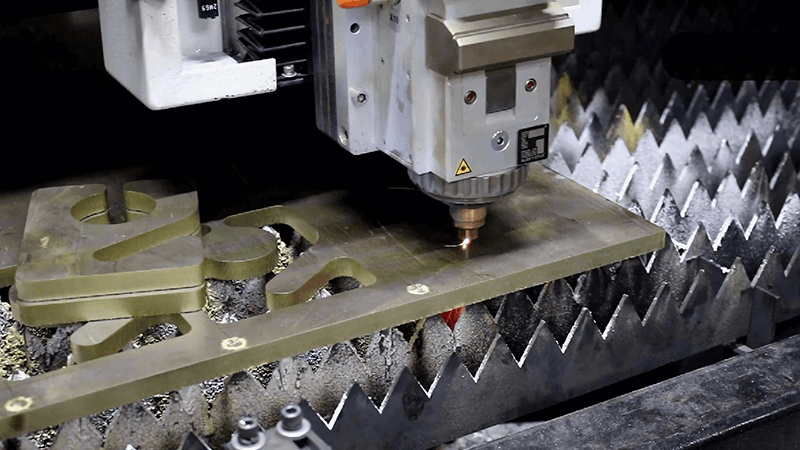
In my experience, shops that switch from plasma to laser immediately notice smoother edges, less slag, and better repeatability. One client told me they used to grind every edge after plasma cutting. After moving to our Kirin fiber laser, they went straight from cutting to assembly.
Laser cutting isn’t perfect for every material, but for 80% of metal fabrication jobs, it offers the best mix of precision, cost, and speed.
Which material should never be cut by laser?
This question comes up often — and it’s critical for safety.
Materials that emit toxic gases or cause fire hazards, such as PVC, Teflon, and ABS, should never be cut by laser.
Dive Deeper: Understanding Laser-Safe and Unsafe Materials
Lasers work by vaporizing material, and that means some substances can turn dangerous. Here’s a simple breakdown:
| Material | Safe to Cut? | Reason |
|---|---|---|
| Mild Steel | ✅ Yes | Clean, smooth cut |
| Stainless Steel | ✅ Yes | Excellent result |
| Aluminum | ✅ Yes | Needs good focus |
| PVC (Polyvinyl Chloride)9 | ❌ No | Releases chlorine gas |
| ABS Plastic | ❌ No | Melts, smokes heavily |
| Teflon (PTFE)10 | ❌ No | Emits toxic fumes |
| Glass | ⚠️ Limited | Requires special setup |
| Wood & Acrylic | ✅ Yes (CO₂ only) | Not for fiber lasers |
At Kirin Laser, we always educate our clients about material compatibility before installation. Cutting PVC, for instance, not only damages optics but can corrode internal components through chlorine gas exposure. It’s not just a quality issue — it’s a safety issue.
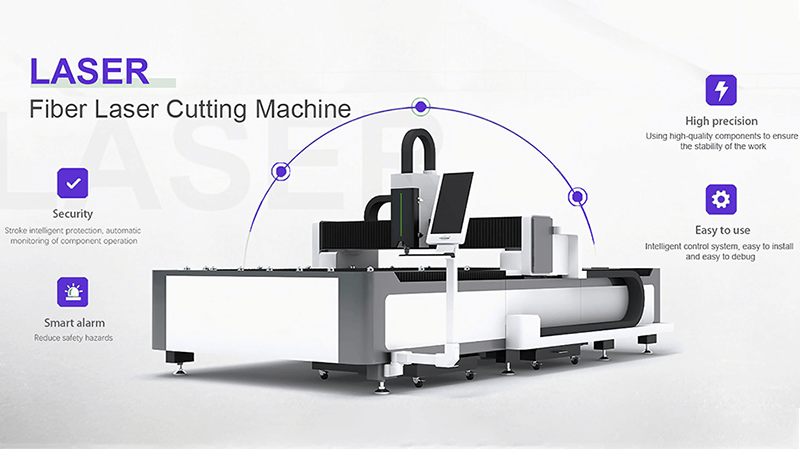
Our machines come with built-in fume extraction and real-time monitoring, helping operators work safely even under heavy loads. In the end, the best cut is the safe one.
Conclusion
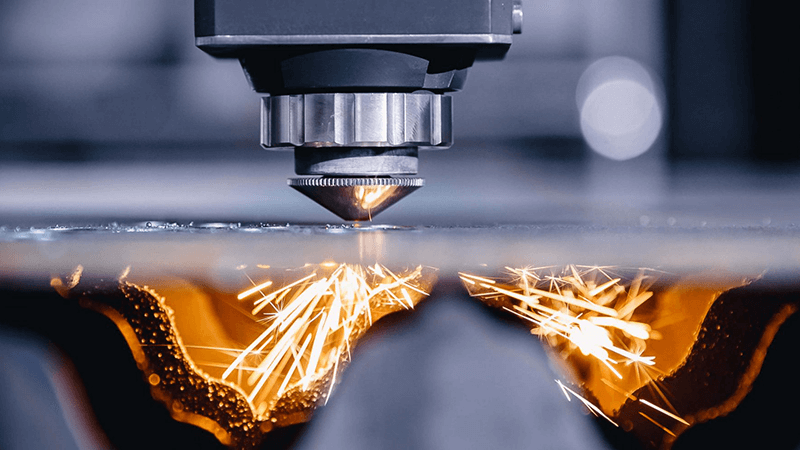
Fiber laser technology11 has transformed how industries cut, weld, and shape metal. From small workshops to heavy factories, precision and efficiency are no longer luxuries — they’re standard. At Kirin Laser, I’ve seen how the right configuration turns a struggling production line into a smooth, profitable operation. The best laser cutting machine in 2025 isn’t the most expensive — it’s the one that matches your needs, balances power with precision, and keeps your team cutting clean and fast every single day.
-
Understanding the role of the laser source can enhance your knowledge of cutting performance and system optimization. ↩
-
Exploring the optical path's impact can help you appreciate the intricacies of laser cutting technology. ↩
-
Explore this link to understand how Fiber Laser technology can enhance efficiency and performance in manufacturing processes. ↩
-
Discover insights on Energy Efficiency in laser cutting and how it can lead to significant cost savings and improved performance. ↩
-
Explore the benefits of Fiber Lasers, including their scalability and efficiency, to understand why they are becoming the industrial standard. ↩
-
Learn about the specific applications of CO₂ Lasers, especially in materials like wood and acrylic, to see if they fit your needs. ↩
-
Explore the benefits of laser cutting to understand why it's preferred for precision and efficiency in metal fabrication. ↩
-
Learn about the limitations of plasma cutting to see how laser cutting can provide superior results in many applications. ↩
-
Understanding the risks of cutting PVC is crucial for safety and equipment longevity. Explore this link for detailed insights. ↩
-
Learn about the toxic fumes emitted when cutting Teflon, ensuring safe practices in laser operations. ↩
-
Find the best laser cutting machine and laser cutting solutions from Kirin Laser, clicking this link to get all your needs for your business. ↩