Many buyers know they need a laser machine, but they do not always know which type fits their factory. This creates risk. A wrong choice can waste money, slow production, and hurt customer trust.
There are many types of laser machines, but most industrial buyers compare fiber laser cutting machines, CO₂ laser machines, laser welding machines, laser cleaning machines, and laser marking machines. For metal cutting, I usually recommend fiber laser cutting machines because they cut faster, need less maintenance, and create cleaner edges.
At Kirin Laser, I do not look at laser machines only as products. I look at them as production tools. A good laser machine should help a distributor, metal shop, or OEM customer reduce rework, improve delivery speed, and protect profit margin. This is why I always start with the real application before I talk about wattage, machine size, or price.
What are the 5 types of lasers?
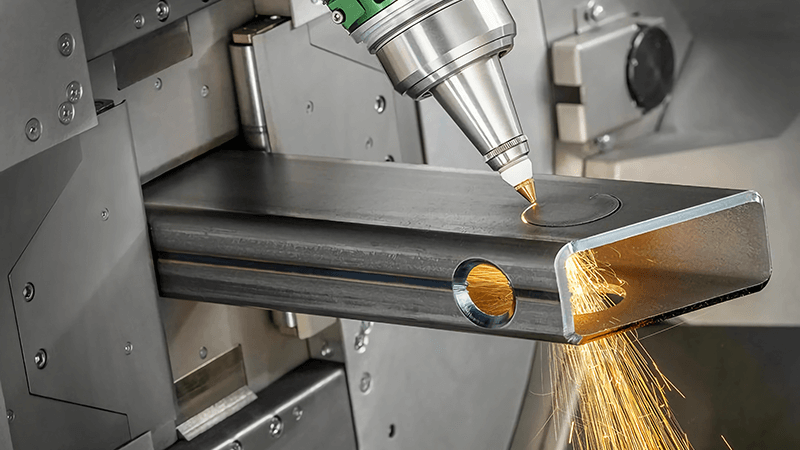
Many people ask about the 5 types of lasers, but they often mix laser sources with laser machines. This can make the buying process confusing. A laser source is the heart of the system. A laser machine is the complete tool built around that source.
The 5 common types of lasers are fiber lasers, CO₂ lasers, solid-state lasers, diode lasers, and liquid or dye lasers. In industrial production, fiber lasers and CO₂ lasers are the most common choices. For metal cutting, fiber lasers are usually the stronger choice because they offer high speed, high efficiency, and low maintenance.
Why laser source type matters for buyers
When I speak with distributors and procurement managers, I often see one problem. They ask for “a laser cutting machine,” but they do not always define the laser source. This is a small detail, but it changes the whole business result.
A fiber laser source works very well for metal. It is widely used for stainless steel, carbon steel, aluminum, brass, and galvanized sheet. It has a shorter wavelength than CO₂ lasers, so metals absorb the beam more effectively.1 This helps the machine cut faster and use energy better. It also means the system has fewer optical parts to maintain.
A CO₂ laser source is different. It is still useful for non-metal materials like acrylic, wood, leather, paper, and some plastics.2 But for serious metal cutting, especially in modern sheet metal production, I do not see CO₂ as the first choice anymore. It can still work in some cases, but the ownership cost and maintenance burden are harder to justify.
| Laser Type | Common Use | Best Material Fit | My View as Kirin Laser |
|---|---|---|---|
| Fiber laser | Cutting, welding, marking, cleaning | Metals | Best choice for most metal shops |
| CO₂ laser | Cutting and engraving | Non-metals | Useful, but less ideal for metal cutting |
| Solid-state laser | Marking, welding, precision work | Metals and special materials | Good in selected industrial uses |
| Diode laser | Small marking, engraving, pumping source | Light-duty materials | Not my first choice for heavy cutting |
| Liquid/dye laser | Research and lab use | Special optical work | Rare in normal factories |
Why I focus more on fiber lasers
I have sold different laser systems for years. I have seen buyers compare machines only by price. I have also seen them regret that choice later. A low-cost machine can become expensive if it cuts slowly, breaks often, or needs too much after-sales support.
This is why I often guide customers toward fiber laser cutting machines when their main job is metal cutting. Fiber laser machines are easier to explain to end users. They are also easier for distributors to sell because the value is clear. The customer can see faster cutting speed, better edge quality, and less secondary processing.
I once worked with a metal parts distributor who used plasma cutting. His team had a serious problem with rough edges. They spent too much time polishing parts after cutting. That extra labor lowered profit and slowed delivery. After switching to a fiber laser cutting machine, the edge quality improved quickly. Rework dropped. His team could deliver cleaner parts faster. That story is one reason I still see fiber laser cutting as the safest long-term direction for many metal shops.
What are the different types of laser machines?
The market has many laser machines, and each one solves a different production problem. If a buyer only asks for the cheapest machine, the result may not match the factory need. The better question is simple: what job should the laser machine complete every day?
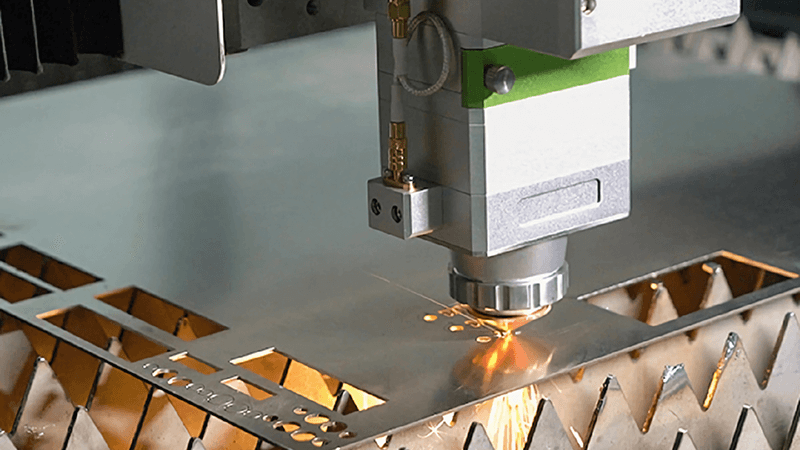
The main types of laser machines include laser cutting machines, laser welding machines, laser cleaning machines, and laser marking machines. Kirin Laser produces and supports these industrial laser systems for wholesalers, distributors, OEM customers, and metalworking factories that need stable quality, customization, and long-term technical support.
Laser cutting machines
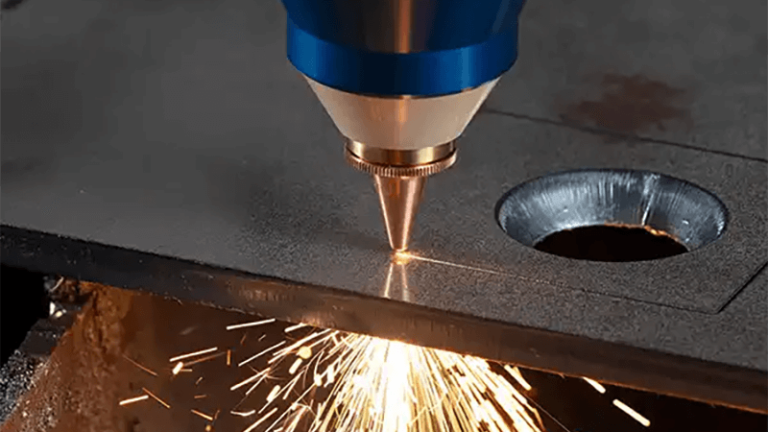
A laser cutting machine uses a focused laser beam to cut sheet metal, tubes, plates, or other materials. In metalworking, fiber laser cutting machines are now one of the most important systems. They are used in machinery, kitchen equipment, automotive parts, elevator parts, electrical cabinets, metal furniture, and many other industries.
For a distributor like John Smith, this machine is often the core product. It has clear demand in the U.S. market. Many factories want to replace plasma cutting, flame cutting, or older CO₂ systems. They want cleaner edges, faster production, and less manual finishing3.
At Kirin Laser, I view laser cutting machines as more than cutting equipment. I view them as profit tools. A good fiber laser cutting machine helps the customer win more orders because the parts look better and ship faster.
| Machine Type | Main Function | Common Buyer | Business Value |
|---|---|---|---|
| Fiber laser cutting machine | Cuts metal sheets and tubes | Metal shops, distributors, OEM brands | Faster cutting and cleaner edges |
| Laser welding machine | Joins metal parts | Fabricators, repair shops, factories | Better weld appearance and less labor |
| Laser cleaning machine | Removes rust, paint, oil, and oxide | Maintenance teams, factories, shipyards | Less chemical use and cleaner surface prep |
| Laser marking machine | Marks logos, serial numbers, codes | Manufacturers and brand owners | Traceability and branding |
| CO₂ laser machine | Cuts or engraves non-metal materials | Sign shops, packaging, craft production | Good for acrylic, wood, and leather |
Laser welding machines
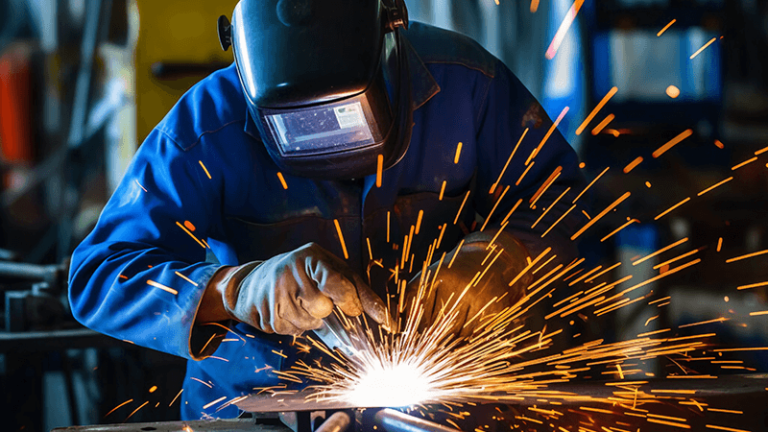
Laser welding machines are becoming more popular because many factories need clean welds with less grinding. Traditional welding depends heavily on worker skill4. A skilled welder can produce strong welds, but labor cost is high, and training takes time.
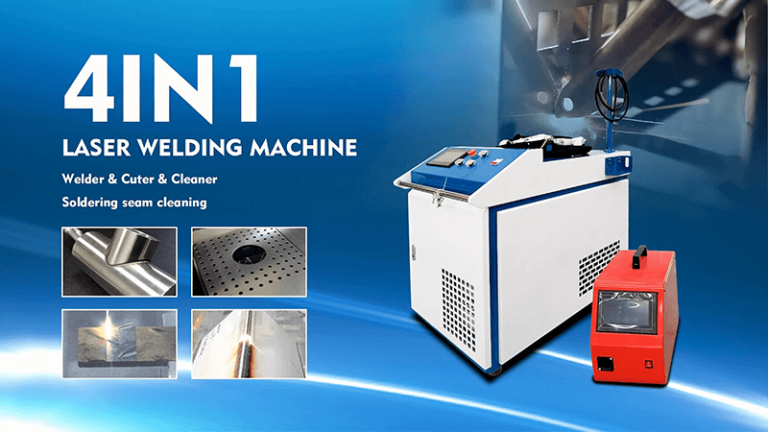
A handheld fiber laser welding machine can help reduce this pressure. It can weld stainless steel, carbon steel, galvanized sheet, and aluminum in many production settings. It can make a cleaner seam and reduce the need for polishing. This is useful for cabinets, doors, windows, kitchenware, metal frames, and small batch production.
For distributors, laser welding machines are attractive because the buyer can see the result quickly. A smooth weld is easy to understand. It does not need a long technical explanation.
Laser cleaning machines
Laser cleaning machines remove rust, paint, oxide layers, and oil from surfaces. They are useful when customers want a cleaner process than sandblasting or chemical cleaning. The process can be more controlled and can reduce waste.
I see strong value in laser cleaning for maintenance, mold cleaning, metal surface preparation, ship repair, and industrial restoration. It is also a good product for distributors who want to offer something different from standard cutting machines. Many customers do not know much about laser cleaning yet, so education matters. A supplier must explain where it works well and where it does not.
Laser marking machines
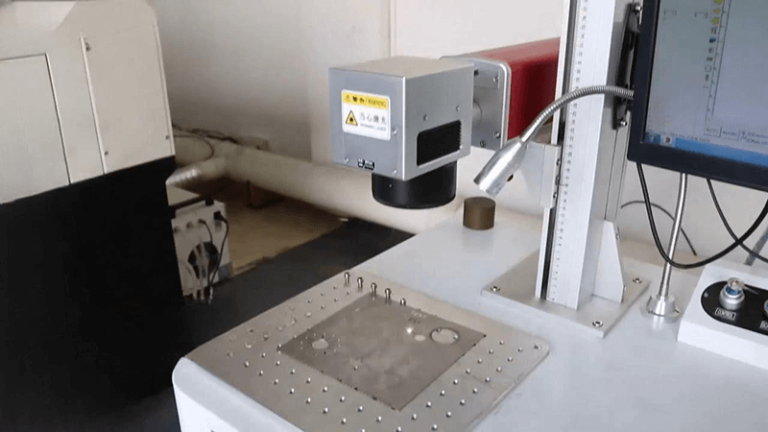
Laser marking machines are used for logos, serial numbers, QR codes, barcodes, part numbers, and traceability marks5. They are common in tools, electronics, hardware, medical devices, auto parts, and packaging.
Fiber laser marking machines work very well on metal. CO₂ marking machines work better on many non-metal materials. UV laser marking machines are used for more delicate materials. For many OEM and distributor customers, marking machines are a good entry-level product because they are smaller, easier to ship, and easier to install.
At Kirin Laser, I see marking machines as a strong support product. They may not always be the largest order, but they help customers build a full laser product line.
What are the most powerful lasers?
Power sounds simple, but it can mislead buyers. A high-watt laser is not always the best machine. If the machine structure, control system, cutting head, cooling system, and after-sales support are weak, high power can become a problem instead of an advantage.
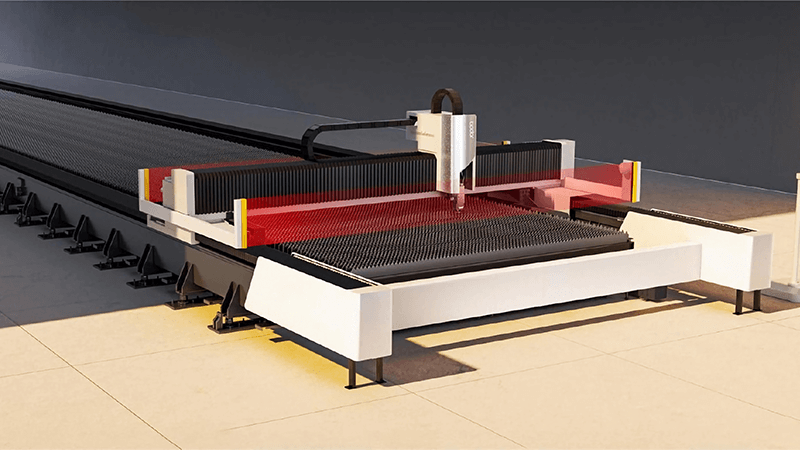
The most powerful lasers in research can reach petawatt-level peak power, but industrial laser machines are judged in a different way. For factory use, the most powerful practical choice is often a high-power fiber laser cutting machine, such as 6kW, 12kW, 20kW, or higher, depending on material thickness and production demand.
Research power is not the same as factory power
When people search for the most powerful lasers, they may find research systems with very high peak power. These systems are used in physics labs, particle research, plasma research, and advanced science6. They are not normal factory machines. They may fire extremely short pulses, and their power numbers can look huge.
Industrial buyers should not use those numbers to choose a cutting machine. A factory does not need a petawatt research laser. A factory needs stable output, repeatable cutting quality, safe operation, and real production speed.
This is why I separate laser power into two ideas. The first idea is scientific peak power. The second idea is industrial working power. For Kirin Laser customers, the second one matters more.
| Power Level | Typical Industrial Use | Buyer Should Care About |
|---|---|---|
| 1kW–3kW fiber laser | Thin sheet metal cutting | Entry cost, basic metal cutting needs |
| 4kW–6kW fiber laser | Medium sheet metal cutting | Speed, edge quality, stable production |
| 8kW–12kW fiber laser | Higher-volume metal cutting | Faster cutting and thicker material range |
| 20kW+ fiber laser | Heavy industrial cutting | Machine stability, cooling, service, safety |
| Petawatt research laser | Scientific research | Not relevant for normal factory cutting |
Why higher power is not always better
I have seen customers ask for the highest wattage because they think it must be the best machine. I understand that thinking. Power feels easy to compare. But a laser cutting machine is not only a laser source. It is a full system.
A 20kW fiber laser cutting machine needs a strong machine bed7. It needs a high-quality cutting head. It needs stable cooling. It needs a good control system. It needs clean gas supply. It also needs proper installation and training. If one part is weak, the customer will not get the full value of the high power.
For a distributor, this is important. Selling a high-power machine can bring a higher order value, but it also brings higher support responsibility. If the customer does not have enough demand for thick plate cutting or high-volume production, a lower power machine may create better return on investment.
How I guide buyers on power selection
I usually ask three questions before I recommend power. What material do you cut most often? What thickness do you cut every day? What delivery speed do your customers expect?
If a shop cuts mostly thin stainless steel or carbon steel, it may not need the highest power. A well-configured medium-power fiber laser can already improve speed and edge quality. If a factory cuts thick plates all day, then higher power makes more sense.
For Kirin Laser, the goal is not to sell the biggest machine every time. The goal is to sell the right machine and build a long-term relationship. A customer who buys the right machine will trust us again. A customer who buys an oversized machine and cannot use it well may blame the supplier, even when the problem is poor matching.
What is the most effective laser machine?
The most effective machine is not always the most expensive one. It is the machine that gives the best result for the buyer’s real work. In metal cutting, I believe fiber laser cutting machines are usually the most effective choice.
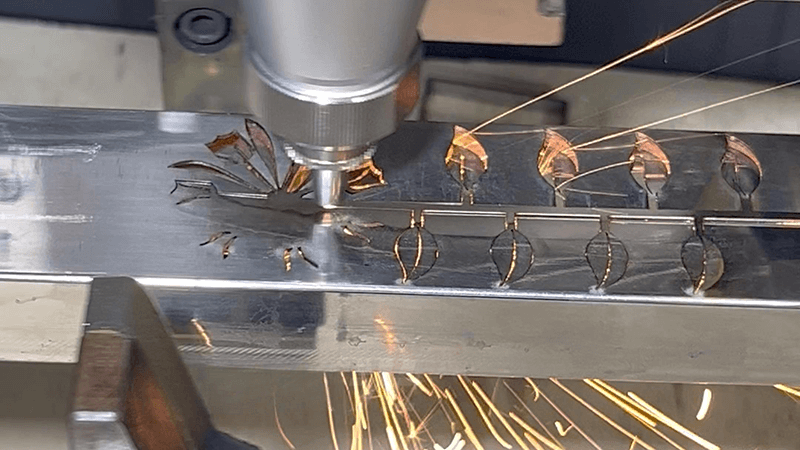
For most metal shops, the most effective laser machine is a fiber laser cutting machine. It offers fast cutting speed, clean edges, low maintenance, and strong long-term value. It is especially effective for stainless steel, carbon steel, aluminum, brass, and other common industrial metals.
Why fiber laser cutting machines win in metal shops
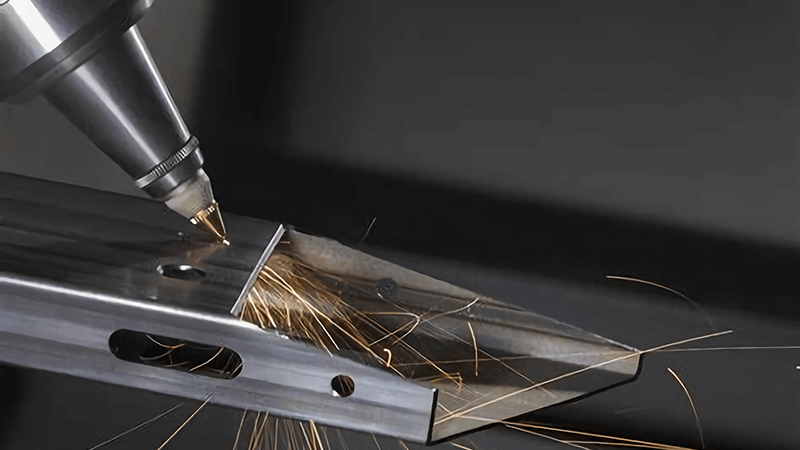
A fiber laser cutting machine solves several problems at the same time. It cuts faster than many older cutting methods. It creates cleaner edges than plasma cutting. It usually needs less maintenance than CO₂ laser systems. It also helps reduce post-processing work.
This matters because the real cost of cutting is not only machine price. The real cost includes electricity, gas, labor, maintenance, rework, scrap, training, and delivery delays.8 When a machine reduces these hidden costs, it becomes more effective.
This is why I often recommend fiber laser cutting machines to metal shops and distributors. They are easier to position in the market. They are easier to sell with a clear value story. The buyer can compare before and after results quickly.
| Buying Factor | Fiber Laser Cutting Machine | CO₂ Laser Cutting Machine | Plasma Cutting |
|---|---|---|---|
| Metal cutting speed | High | Medium | Medium to high |
| Edge quality | Clean | Good in some cases | Rougher |
| Maintenance | Lower | Higher | Medium |
| Energy efficiency | Higher | Lower | Medium |
| Best use | Metal cutting | Non-metal cutting and some metal use | Rough metal cutting |
| Long-term value | Strong | Depends on use case | Limited for precision parts |
The distributor’s view
For a procurement manager or distributor, the most effective machine must also be easy to sell, easy to service, and easy to support. This is where supplier choice becomes important.
A distributor does not only buy a machine. He buys product quality, documentation, spare parts, training, customization, branding support, and communication. If the supplier cannot support these needs, even a good machine can become a hard product to sell.
At Kirin Laser, I understand that many customers are not just end users. Some are wholesalers. Some are importers. Some want OEM branding. Some want to build a local product line. Their needs are different from a single factory buyer.
This is why I think effectiveness has three layers. The first layer is cutting performance. The second layer is ownership cost. The third layer is business support. A machine must perform well, but the supplier must also help the buyer sell and support it.
My practical recommendation
If a customer mainly cuts metal, I recommend starting with a fiber laser cutting machine. If the customer works with non-metal materials, I may suggest CO₂ laser equipment. If the customer needs joining instead of cutting, I recommend laser welding. If the customer needs surface treatment, I recommend laser cleaning. If the customer needs logos, codes, or traceability, I recommend laser marking.
But when the question is about laser cutting machines, especially for industrial metal cutting, my answer is clear. Fiber laser cutting machines are the most effective choice for most buyers.9
I say this because I have seen the result in real factories. I have watched customers move from slow cutting and heavy polishing to cleaner parts and faster delivery. I have seen distributors use fiber laser cutting machines to expand their product lines and win more serious industrial customers.
A good fiber laser cutting machine is not only a machine. It is a way to improve production quality, reduce wasted time, and create stronger customer trust.
Conclusion
There are many types of laser machines, but buyers should not choose only by name, power, or price. They should choose by application, material, thickness, production volume, and long-term support. From the Kirin Laser point of view, fiber laser cutting machines are still the strongest choice for most metal cutting customers. They offer speed, cleaner edges, lower maintenance, and better long-term value. For distributors and OEM partners, the right supplier also matters. A strong machine needs strong service behind it. That is how a laser machine becomes a real business asset.
-
"Lasers | Subtractive Processes - MIT Fab Lab", https://fab.cba.mit.edu/classes/865.24/topics/subtractive/docs/lasers.html. Sources on industrial laser-material processing describe ytterbium fiber lasers as operating near 1 μm and CO₂ lasers at 10.6 μm, and report higher absorptivity of many metals at the shorter near-infrared wavelength. Evidence role: mechanism; source type: paper. Supports: Fiber lasers have a shorter wavelength than CO₂ lasers, and metals generally absorb that beam more effectively.. Scope note: Absorption varies by alloy, surface condition, temperature, and process setup, so the source would support the physical rationale rather than guarantee performance in every application. ↩
-
"Laser Cutting | Criss Library | University of Nebraska Omaha", https://www.unomaha.edu/criss-library/creative-production-lab/laser-cutting-makerspace.php. Reference works and laser-processing texts describe CO₂ lasers as widely used for cutting and engraving organic and polymeric materials, including wood, paper, leather, acrylic, and other plastics. Evidence role: general_support; source type: encyclopedia. Supports: CO₂ lasers are useful for processing non-metal materials such as acrylic, wood, leather, paper, and some plastics.. Scope note: Suitability depends on material composition and safety constraints, especially for plastics that can emit hazardous fumes when laser cut. ↩
-
"Plasma Cutting vs. Laser Cutting - Hypertherm", https://www.hypertherm.com/resources/more-resources/blogs/plasma-cutting-vs-laser-cutting/. Comparative studies of laser cutting and conventional thermal cutting methods report that laser cutting can produce narrower kerfs, smaller heat-affected zones, and higher cutting speeds under appropriate material and power conditions. Evidence role: mechanism; source type: paper. Supports: Factories may replace plasma, flame, or older CO₂ systems to obtain cleaner edges, faster production, and less manual finishing.. Scope note: Performance depends on material thickness, laser power, assist gas, machine setup, and the specific plasma or flame system being compared. ↩
-
"[PDF] Guide for the Training and Qualification of Welding ... - ERIC", https://files.eric.ed.gov/fulltext/ED398389.pdf. Welding education and standards literature describes manual arc-welding quality as strongly influenced by operator technique, training, and procedural control. Evidence role: expert_consensus; source type: education. Supports: Traditional welding depends heavily on worker skill, and training affects weld quality.. Scope note: The source would support dependence on operator skill for manual welding generally, not every traditional welding process or automated welding setup. ↩
-
"UDI Basics - FDA", https://www.fda.gov/medical-devices/unique-device-identification-system-udi-system/udi-basics. Manufacturing traceability guidance and laser-marking literature describe direct part marking, including serial numbers, barcodes, and 2D codes, as a common method for product identification and tracking. Evidence role: general_support; source type: institution. Supports: Laser marking machines are used to create identification and traceability marks such as serial numbers, barcodes, and QR codes.. Scope note: This supports the general use of marking for traceability, not the adoption rate in every listed industry or for every material. ↩
-
"Multistage coupling of independent laser-plasma accelerators - OSTI", https://www.osti.gov/pages/biblio/1439195. Reviews of ultraintense laser facilities describe their use in laser–plasma physics, particle acceleration, and high-energy-density science, supporting the characterization of petawatt lasers as advanced research tools. Evidence role: general_support; source type: paper. Supports: Very high peak-power research lasers are used in physics laboratories, particle research, plasma research, and related advanced science.. Scope note: The source would support common research applications, not an exhaustive list of all uses. ↩
-
"Vibration Damping Analysis of Lightweight Structures in Machine ...", https://pmc.ncbi.nlm.nih.gov/articles/PMC5503333/. Engineering sources on machine-tool dynamics and laser cutting systems explain that structural rigidity and motion-system stability affect cutting accuracy and vibration control, providing context for why high-power cutting machines require robust mechanical construction. Evidence role: mechanism; source type: education. Supports: High-power fiber laser cutting machines require a robust machine bed and stable mechanical platform.. Scope note: This would support the engineering principle generally; it may not prescribe a specific bed design for every 20 kW machine. ↩
-
"[PDF] Cost of Ownership Model for the Laser Memory Yield Enhancement ...", https://content.library.pdx.edu/files/PDXScholar/ETM/1997/1997-S-535-03-1%20(2).pdf. Manufacturing cost and life-cycle costing literature treats equipment cost as including direct operating costs, maintenance, labor, consumables, quality losses, scrap, and downtime-related effects, supporting a broader total-cost view beyond purchase price. Evidence role: definition; source type: education. Supports: The real cost of a cutting machine includes operating, maintenance, labor, quality, scrap, training, and delay-related costs, not only the purchase price.. Scope note: Delivery delays and training may be treated differently across cost-accounting models, so the source may support the general framework rather than every listed item equally. ↩
-
"Laser cutting technique: A literature review - ScienceDirect.com", https://www.sciencedirect.com/science/article/abs/pii/S2214785321056947. Independent reviews of industrial laser cutting report that fiber lasers have become widely adopted for metal cutting because of high beam quality, energy efficiency, and productivity in many sheet-metal applications; this contextual evidence supports the general preference but does not prove that fiber lasers are optimal for every buyer. Evidence role: expert_consensus; source type: research. Supports: Fiber laser cutting machines are often the most effective choice for buyers focused on industrial metal cutting.. Scope note: The claim is broad and buyer-dependent; support should be framed around common industrial metal-cutting use cases rather than all buyers or all materials. ↩