When I first talk to buyers about handheld laser welding machines, I often hear the same worry. They want cleaner welds and faster work. But they do not fully understand how the machine works or what it can really do.
A handheld laser welding machine works by focusing a high-energy laser beam onto a small area of metal, where the heat melts the material and joins the parts together. It gives me cleaner seams, less heat spread, less warping, and faster welding than many traditional methods.
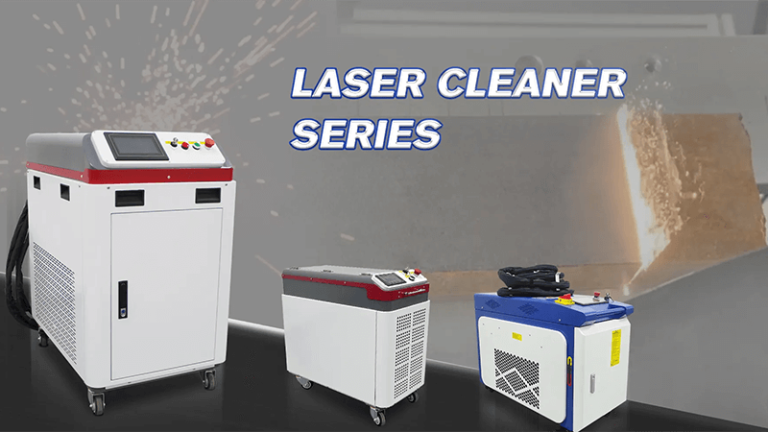
From the Kirin Laser side, this topic matters a lot because we build and OEM laser machines for global partners. Our product line includes laser cleaning machines, laser welding machines, laser cutting machines, and laser marking machines. Still, when customers ask these questions, they are usually talking about the handheld laser welding machine. I have worked with handheld laser welders for years, and what stands out most to me is simple. The focused beam melts metal fast, the heat stays controlled, and the whole process feels like precision welding made portable.
How does a laser welding machine work?
A lot of people see the finished weld first. They see the smooth seam and the low discoloration. But they do not always know what happens in that small welding zone. That gap in understanding can make buyers unsure about the machine.
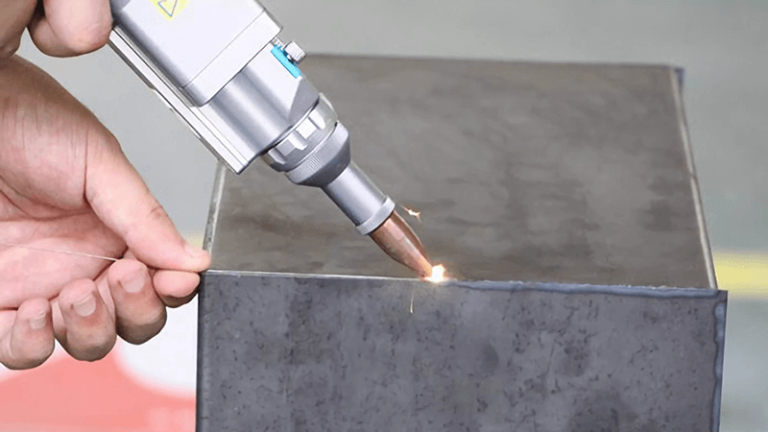
A handheld laser welding machine works by sending laser energy through a fiber system to a handheld welding head. The beam focuses on a small point on the metal surface. That focused heat melts the joint area, and the metal fuses as it cools. Because the heat is concentrated, the weld is cleaner and the surrounding area sees less thermal damage.
The basic working principle
From my view at Kirin Laser, the best way to explain the machine is to keep it practical. A handheld laser welding machine1 uses a fiber laser source. The source creates the laser beam. Then the beam moves through the fiber cable to the handheld welding gun. Inside the welding head, the beam is shaped and focused onto the metal joint.
That focused light energy turns into heat at the contact point. The metal surface melts in a very small and controlled area. When I move the welding head along the seam, the molten pool follows that path. Then the metal cools and solidifies, which creates the weld.
This is why the process feels very different from traditional welding. The energy is focused. The heat-affected zone2 is smaller. I get better control over the weld path. I also get less mess around the seam.
Why the process is so efficient
What really makes handheld laser welding stand out is not only that it melts metal. Traditional methods do that too. The difference is how precisely the heat is delivered.
Focused energy means less wasted heat
The laser beam targets a small area. So the machine does not spread heat far into the surrounding material. This helps reduce burn marks, deformation, and warping.
Stable welds improve surface quality
Because the weld pool is smaller and more controlled, I usually see smoother seams and less spatter. In many jobs, I do not need as much grinding or polishing after welding.
Portability makes advanced welding easier to use
The handheld design matters a lot. It lets operators handle large workpieces more easily. It also makes the machine more flexible in workshops where moving the part is harder than moving the tool.
What happens during the weld
Here is a simple breakdown of the process:
| Step | What happens | Why it matters |
|---|---|---|
| Laser generation | The fiber laser source creates the beam | This provides stable welding energy |
| Beam transmission | The beam travels through the fiber cable | This allows flexible handheld use |
| Beam focusing | The welding head focuses the beam on the joint | This creates concentrated heating |
| Metal melting | The joint area melts in a controlled zone | This forms the weld pool |
| Cooling and fusion | The molten metal cools and joins the parts | This creates the final seam |
A real change I have seen in production
I once helped a fabricator who was struggling with burn marks and warping from traditional welding. He was doing solid work, but his rework rate was too high, and it was slowing his team down. After he switched to a handheld laser welding machine, the change was clear almost at once. The welds looked cleaner. Distortion dropped to a very low level. His team spent less time correcting mistakes. Within a few weeks, his production speed3 nearly doubled.
That example stays with me because it shows the core value of handheld laser welding. It is not only about new technology. It is about solving real production problems with a more focused and efficient process. From the Kirin Laser side, that is exactly why we keep investing in reliable and customizable handheld laser welding solutions for distributors, wholesalers, and industrial partners.
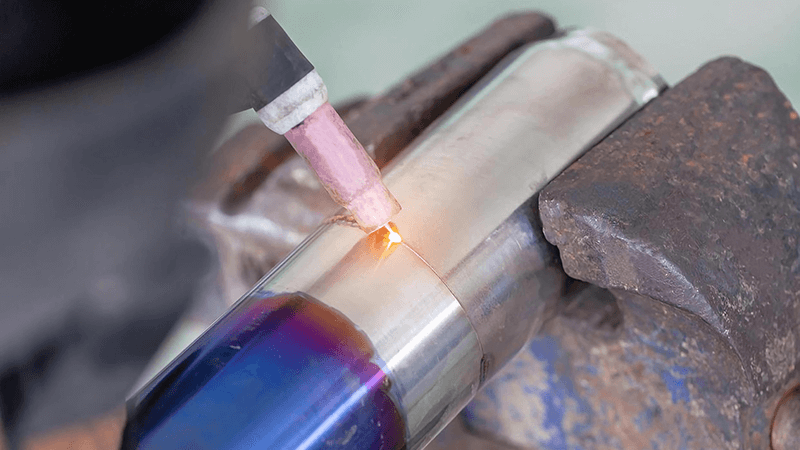
Can a laser welder weld anything?
Many buyers get excited when they first see a handheld laser welder in action. The weld looks clean, the process looks fast, and the machine seems very flexible. Then the next question comes quickly: can it weld everything? That is where expectations need to be realistic.
A handheld laser welder cannot weld absolutely everything. It can weld many common metals very well, such as stainless steel, carbon steel, aluminum, and some galvanized materials. But the result depends on material type, thickness, surface condition, reflectivity, and the correct machine settings.
The short answer is no, but it can weld a lot
From the Kirin Laser4 point of view, I always prefer to answer this clearly. A handheld laser welder5 is highly capable, but it is not magic. It works best when the material, thickness, and application match the machine’s design.
For many metal fabrication jobs, the machine performs very well. Stainless steel is one of the most common examples. Carbon steel also works well in many cases. Aluminum can be welded too, though it needs more careful control. Some other metals can also be welded, but success depends on how the material reacts to laser energy.
Still, not every material is suitable. Some materials reflect laser energy strongly. Some have surface coatings that affect weld quality. Some are too thick for a handheld setup unless the machine power and process are matched properly. So I never tell buyers that one machine fits every job without limits.
What affects weld compatibility
A few key factors decide whether a material can be welded well.
Material type
Different metals absorb laser energy in different ways. Stainless steel6 usually behaves very well. Aluminum can work, but it reflects more and conducts heat fast, so parameter control matters more.
Material thickness
Thin and medium-thickness sheets are often ideal for handheld laser welding. Very thick metal may require different process planning, higher power, or another welding method depending on the production target.
Surface condition
Rust, oil, coating, paint, and dirt can affect the weld. A clean surface usually gives me more stable and consistent results. This is one reason laser cleaning and laser welding often connect well in a real factory setup.
Joint design
Fit-up matters. If the joint gap is too large, weld quality may drop. A good joint design helps the laser process stay stable.
A practical material view
Here is a simple guide:
| Material | Can it be laser welded? | Notes |
|---|---|---|
| Stainless steel | Yes | Very common and stable for handheld welding |
| Carbon steel | Yes | Good results in many fabrication jobs |
| Aluminum | Yes | Needs correct settings and operator control |
| Galvanized steel | Often yes | Surface and fumes need proper handling |
| Copper | Sometimes | Reflective, so process is more demanding |
| Non-metals | No | Handheld laser welding is mainly for metals |
I always guide customers by application, not hype
This is important to me. When I talk with customers, I do not want them to buy a machine based on a broad promise. I want them to buy based on their real materials, their part sizes, and their production goals.
At Kirin Laser, we build and OEM laser equipment, so we know that product matching matters more than simple marketing language. A buyer may ask, “Can this weld anything?” But the better question is, “Can this weld my material well, every day, in real production?” That is the question I care about most. When I answer it honestly, buyers make better decisions, and long-term cooperation becomes much easier.
How long do laser welders last?
A machine may look impressive on the first day. But serious buyers think past the first shipment. They want to know how long the machine can keep working, how often parts need replacement, and whether the investment will still make sense years later.
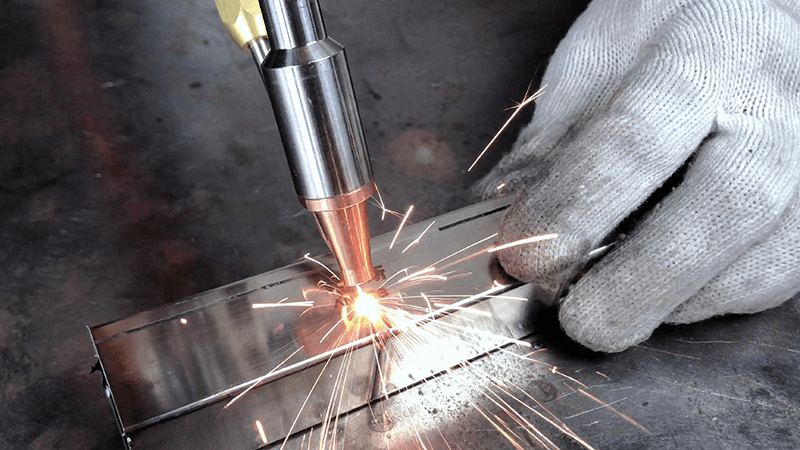
A handheld laser welder can last for many years if I use it correctly, maintain it well, and choose a machine built with reliable components. The actual lifespan depends on the laser source quality, cooling system, daily operating conditions, maintenance habits, and how heavily the machine is used.
Lifespan is about more than one number
I do not like giving buyers a single number without context, because machine life is not that simple. The laser source, the welding head, the chiller, and the overall electrical system all play a role. A well-built machine used in a controlled workshop can serve for a long time. A poorly maintained machine in a dusty and unstable environment will wear faster.
From the Kirin Laser side, I look at lifespan as a combination of design quality and user habits. A good machine needs stable core components. But the user also needs to keep the system clean, follow maintenance steps, and avoid rough operation.
The main factors that affect service life
Laser source quality
The laser source is the heart of the machine. If the source is stable and made with good standards, the whole machine has a stronger base. This is one reason I always tell buyers not to judge only by price.
Cooling and thermal control
A handheld laser welder7 creates heat, and that heat must be managed well. The cooling system protects internal parts and helps keep output stable. If cooling is poor, long-term performance can suffer.
Environment
Dust, moisture, voltage instability, and poor ventilation can all shorten machine life. A cleaner and more stable workspace usually supports better long-term reliability.
Daily maintenance
Small habits matter. Cleaning lenses, checking cables, keeping airflow normal, and following inspection steps can prevent bigger failures later.
What I tell buyers to do for longer service life
I keep the advice simple because simple habits are easier to follow.
| Maintenance area | What I recommend | Why it helps |
|---|---|---|
| Lens care | Keep optical parts clean | Dirty optics can reduce performance |
| Cooling system | Check chiller condition often | Stable cooling protects the machine |
| Workspace | Reduce dust and moisture | Clean conditions lower wear |
| Operation habits | Avoid rough handling of the welding head | Careful use protects critical parts |
| Routine checks | Inspect cables and connections | Early checks can prevent downtime |
Long life also depends on supplier support
This point matters a lot. Even a strong machine needs support over time. Spare parts, technical guidance, and correct troubleshooting all affect how long the equipment stays productive. So when buyers ask me how long a handheld laser welder lasts, I also think about the supplier behind it.
At Kirin Laser, we do not see the sale as the end of the job. We see it as the start of the machine’s working life in the customer’s factory. That is why build quality, OEM flexibility, and practical support all matter together. A laser welder8 lasts longer when the machine is built well, used well, and backed well. In my experience, that combination is what turns a good purchase into a smart long-term investment.
Can I weld aluminum with a laser welder?
Aluminum is one of the most common materials customers ask about. It is also one of the materials that makes people hesitate. They know aluminum can be tricky, and they worry about poor welds, unstable seams, or too much setup trouble.
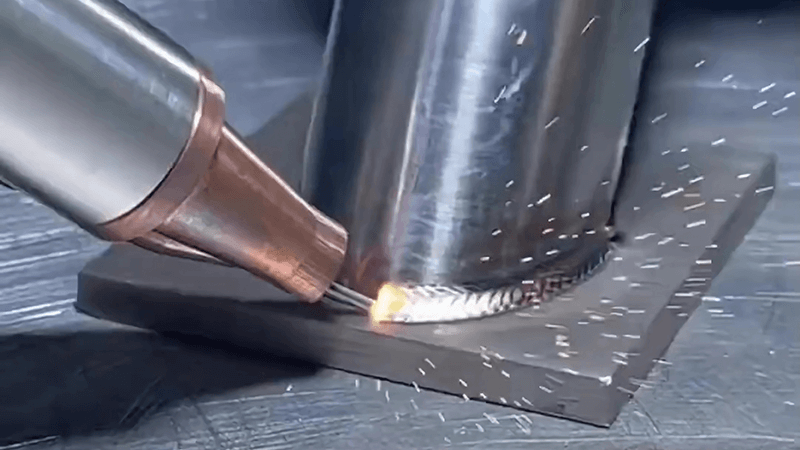
Yes, I can weld aluminum with a handheld laser welder. But aluminum needs the right power, proper parameter settings, clean surface preparation, and skilled handling because it reflects laser energy and transfers heat quickly. When the process is set correctly, the weld can be clean, efficient, and practical for many applications.
Why aluminum needs more attention
From my experience, aluminum is not impossible at all. But it is less forgiving than some other metals. It reflects more laser energy, and it carries heat away fast. That means the welding process needs better control. If the settings are off, the weld quality can drop quickly.
Still, this does not mean aluminum is a bad fit for handheld laser welding9. It only means the operator and the machine need to be matched to the task. With the right setup, aluminum welding can be one of the strongest use cases for a handheld laser system, especially when the customer wants speed, cleaner seams, and less finishing work.
What I focus on when welding aluminum
Surface preparation
Clean aluminum matters a lot. Oxides, oil, and dirt can affect weld consistency. A cleaner surface gives me a more stable weld pool.
Correct settings
Power, speed, wobble settings, and wire feeding choices all affect the result. I never treat aluminum the same way I treat stainless steel.
Material thickness
Thin and medium sections are often easier to manage in handheld laser welding. Thickness affects energy demand and process stability.
Operator control
A steady hand and the right technique matter. Even with good equipment, operator skill still plays a role in getting the best seam.
A simple aluminum welding view
| Factor | Why it matters for aluminum | What I do |
|---|---|---|
| Reflectivity10 | Aluminum reflects laser energy | I use suitable machine settings |
| Heat conductivity | Heat spreads quickly | I control speed and energy carefully |
| Surface oxide | Oxide affects weld quality | I prepare the surface well |
| Thickness | Thickness changes energy needs | I match settings to the part |
| Technique | Motion affects seam stability | I keep the welding path controlled |
Why many fabricators still choose laser for aluminum
Even though aluminum needs care, many users still prefer handheld laser welding once they see the results. The process can reduce distortion compared with more traditional methods. It can also lower the need for grinding and polishing after the weld. For many workshops, that means better efficiency and a cleaner finished product.
This goes back to what I noticed over years of working with handheld laser welders. The focused beam melts metal with minimal heat spread. That is the real advantage. It is why I often see cleaner seams, less distortion, and less post-processing. When I apply that advantage well to aluminum, the result can be very impressive.
At Kirin Laser, we write about aluminum welding from the view of real production, not only theory. We build and OEM laser machines for partners who need dependable tools for actual market demand. So when customers ask if they can weld aluminum with a handheld laser welder, my answer is yes. But I also tell them the full truth: success comes from the right machine, the right settings, and the right support.
Conclusion
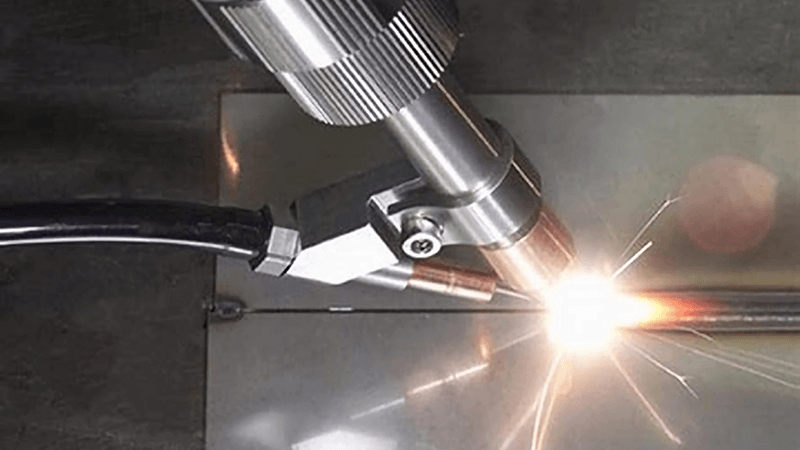
When I explain handheld laser welding from the Kirin Laser side, I always come back to one idea. This technology is powerful because it combines precision, speed, and portability. A handheld laser welding machine works by focusing energy on a small area to melt and join metal with less heat spread. It can weld many common metals, though not every material is equally easy. It can last for years with good design and proper maintenance. And yes, it can weld aluminum when the machine and settings are matched correctly. For me, handheld laser welding is not just a modern tool. It is a practical way to help fabricators get cleaner welds, lower rework, and better production results.
-
Discover how this innovative tool can enhance precision and efficiency in welding tasks, offering a modern solution to traditional methods. ↩
-
Understand the advantages of minimizing the heat-affected zone, including reduced material distortion and improved weld quality. ↩
-
See how adopting laser welding technology can significantly boost production efficiency and reduce rework time in manufacturing. ↩
-
Exploring Kirin Laser's offerings can help you find the right laser equipment and services tailored to your production needs. ↩
-
Understanding the capabilities of a handheld laser welder can help you determine if it's the right tool for your specific welding needs. ↩
-
Exploring why stainless steel is ideal for laser welding can provide insights into its properties and benefits in fabrication. ↩
-
Discover how handheld laser welders offer precision and efficiency, making them ideal for various applications and ensuring long-term reliability. ↩
-
Discover how laser welders enhance precision and efficiency in manufacturing, making them a smart investment for long-term productivity and reliability. ↩
-
Discover why handheld laser welding is preferred for aluminum, offering speed, cleaner seams, and reduced finishing work, enhancing efficiency. ↩
-
Understand how aluminum's reflectivity impacts laser welding and the adjustments needed to achieve optimal weld quality. ↩