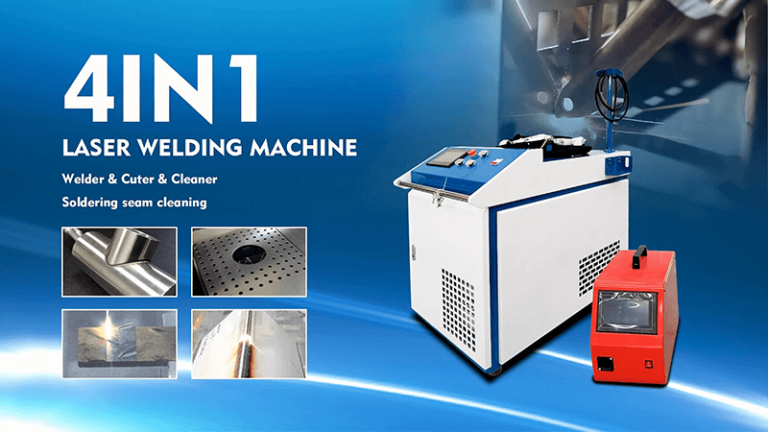
I have seen many clients worry about marks disappearing. They spend hours engraving parts, only to see them fade or rub off. Laser engraving promises permanence, but some machines and materials behave differently.
Laser engraving, especially with fiber lasers, is highly durable. Marks on metals are permanent under normal use. CO₂ laser engraving works well on plastics and wood, but surface coatings on metals may fade if exposed to abrasion. Choosing the right machine ensures lasting results.
Understanding how different systems work can save money and headaches. We can explore how engraving interacts with materials and usage.
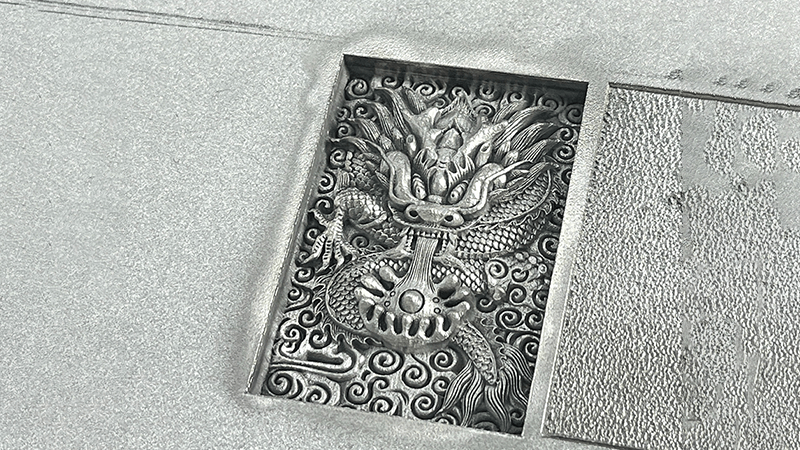
How Long Will Laser Engraving Last?
Many customers ask me, "Will my engraved serial numbers last for years?" I have seen fading or smudging with poor methods. Early in my career, a metal shop client had painted tags that rubbed off. Switching to a fiber laser solved the problem completely.
Fiber laser engraving on metals creates marks that penetrate the surface, making them permanent. CO₂ laser engraving on plastics or wood also lasts long, but the depth and material determine longevity. Proper machine choice is key to durability.
Why Fiber Lasers Last
Fiber lasers ablate the surface1, embedding marks into the metal itself. Unlike ink or paint, there is nothing on top to wear off. This means even heavy handling does not remove the mark.
CO₂ Lasers on Plastics and Wood
CO₂ systems remove or carbonize layers2 of material. On wood or plastic, the engraving changes color and texture. As long as the surface is intact, marks remain clear. On metals with coatings, the engraved layer may wear if exposed to abrasion.
| Laser Type | Material | Durability |
|---|---|---|
| Fiber Laser | Metals | Essentially permanent |
| CO₂ Laser | Wood/Plastic | Long-lasting, color-dependent |
| CO₂ Laser | Coated Metal | Can fade if surface wears |
Proper material preparation and machine settings maximize mark life.
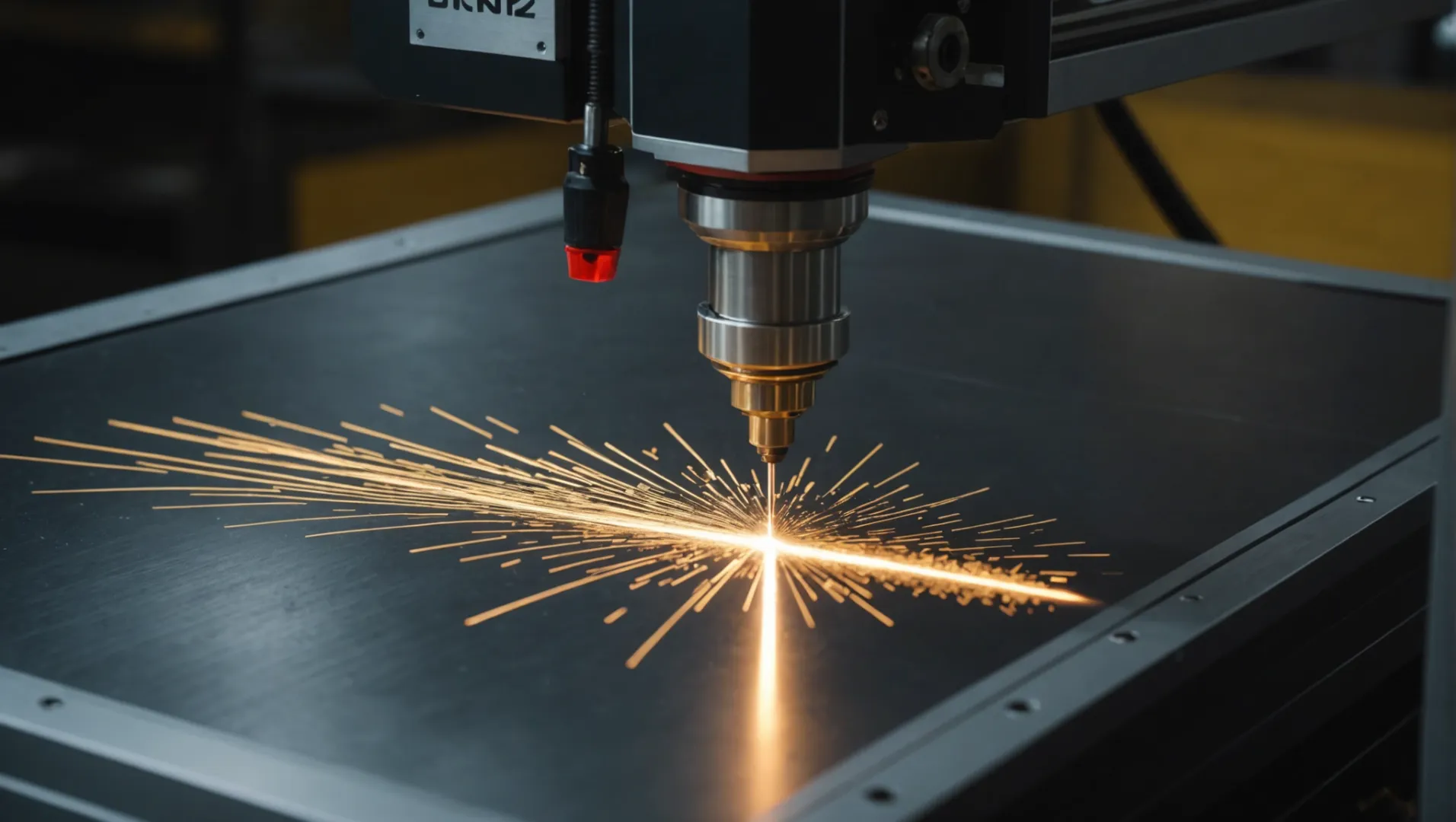
Does Laser Engraving Wash Off?
Clients sometimes fear that cleaning chemicals or water might remove marks. I used to worry when a shop wiped hundreds of parts daily. Fiber laser marks held perfectly, no matter the cleaning.
Fiber laser engravings do not wash off with soap, water, or mild chemicals. CO₂ laser engravings on plastics or wood resist cleaning too, though aggressive solvents may affect surface clarity. Correct process prevents accidental fading.
Fiber Laser Resistance
Marks are part of the substrate. Washing, scrubbing, or mild chemical exposure does not remove them. This makes them ideal for industrial parts3 that see frequent handling.
CO₂ Laser Resistance
On wood and plastics, marks are surface modifications. Normal cleaning will not affect them. Avoid strong solvents that may dissolve the top layer or coatings.
| Material | Resistance to Washing | Notes |
|---|---|---|
| Metal (Fiber) | High | Cannot wash off under normal use |
| Plastic/Wood | Medium-High | Avoid harsh chemicals |
| Coated Metal | Medium | Surface layer may fade |
Following recommended cleaning practices4 preserves clarity.
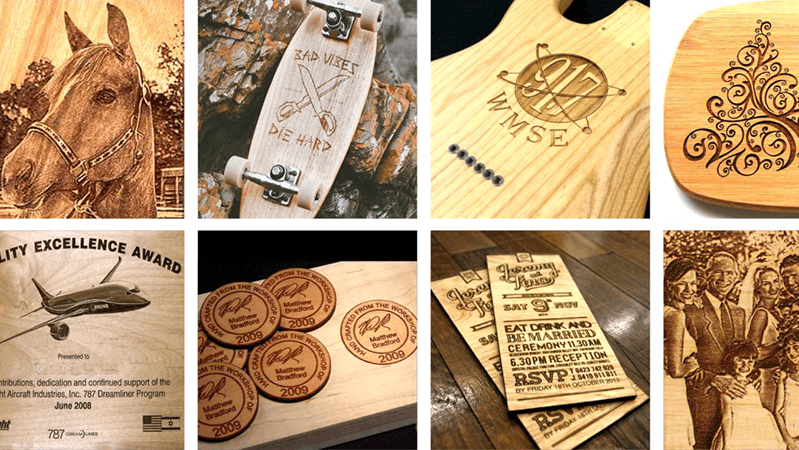
Do Laser Engravers Wear Out?
Machines themselves can wear over time. I have seen clients switch from older systems with inconsistent marks. At Kirin Laser, we focus on robust machines built for longevity.
High-quality fiber and CO₂ laser systems last many years with proper maintenance. Components like optics, lenses, and laser sources may need replacement eventually, but typical industrial machines maintain performance for thousands of hours.
Components That Age
Laser sources gradually lose power, affecting mark depth. Optics can get dirty or scratched. Regular cleaning and occasional replacement5 keep engraving consistent.
Maintenance Best Practices
| Component | Typical Lifetime | Maintenance Action |
|---|---|---|
| Laser Source | 20,000–50,000 hours | Monitor power, replace when needed |
| Lenses | 1–3 years | Clean, replace if scratched |
| Mirrors | 2–4 years | Clean and realign periodically |
Machines built for industrial use handle heavy workloads without degrading quickly.
Kirin Laser Reliability
Our fiber and CO₂ systems are engineered for durability. Clients often run machines 24/7 for months without noticeable wear. Proper training and preventive maintenance6 extend lifespan even further.
Can Laser Engraving Fade?
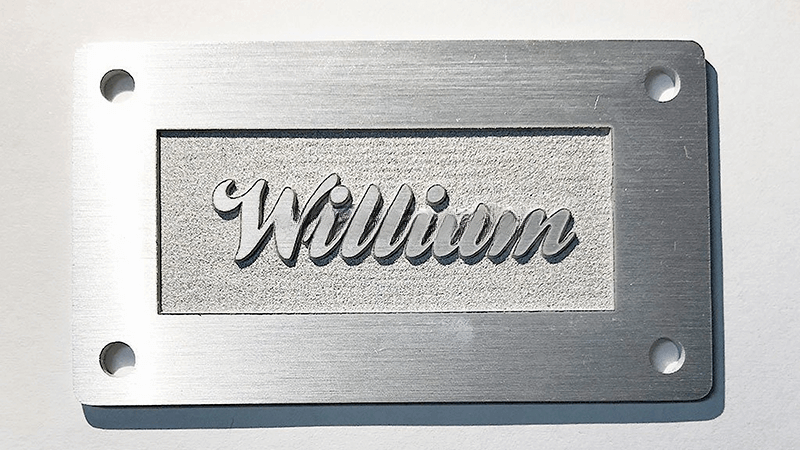
Some worry marks will lose contrast over time. I have seen metal tags fade when using paint or ink, but switching to fiber lasers solved this completely. CO₂ systems are more material-dependent.
Fiber laser marks on metals remain crisp and readable indefinitely. CO₂ marks on wood or plastic may appear lighter if the material wears or is polished excessively. Using the right system ensures minimal fading.
Causes of Fading
Fading typically occurs when a surface layer is removed. Painted or coated metals are vulnerable; substrate-embedded marks are safe.
Preventing Fading
| Material | Fade Risk | Prevention Tips |
|---|---|---|
| Metal (Fiber) | Low | Use direct engraving, avoid coatings |
| Wood | Medium | Avoid sanding or aggressive polishing |
| Plastic | Medium | Choose appropriate CO₂ settings |
Focusing on proper engraving depth7 and material selection avoids fading issues.
Real Story
Early on, a metal shop client struggled with serial numbers that rubbed off painted tags. We switched them to a fiber laser marker8. Parts tossed around the floor kept crisp, readable IDs — no wear-off after months of daily handling. That experience convinced me of fiber laser permanence.
Conclusion
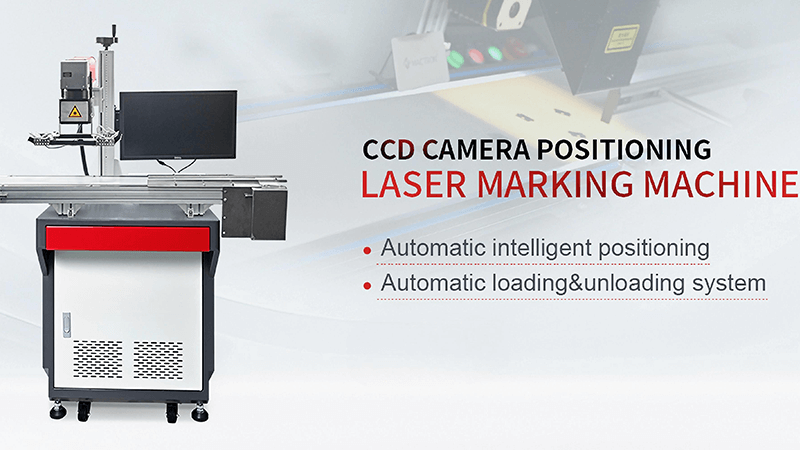
Laser engraving is highly reliable when matched with the right system and material. Fiber lasers on metals produce marks that do not wear off, wash off, or fade. CO₂ lasers work well on plastics and wood, though surface conditions matter. Kirin Laser systems are designed for long-term durability, making them an ideal choice for industrial, commercial, and OEM applications. Choosing the right machine and following proper maintenance ensures your engraved marks last for years.
-
Understanding how fiber lasers ablate surfaces can help you choose the right laser for permanent marking needs. ↩
-
Exploring CO₂ systems' ability to remove or carbonize layers can guide you in selecting the best laser for wood and plastic engraving. ↩
-
Understanding the advantages of laser marking on industrial parts can help you choose the right marking method for durability and clarity. ↩
-
Exploring cleaning practices ensures the longevity and clarity of laser-marked materials, preventing damage and maintaining quality. ↩
-
Explore how regular cleaning and occasional replacement of components can ensure consistent engraving quality and extend the lifespan of your laser machine. ↩
-
Learn how proper training and preventive maintenance can maximize the durability and efficiency of your laser systems, ensuring long-term reliability. ↩
-
Learn how achieving the correct engraving depth can prevent fading and ensure durability in various materials, enhancing the longevity of markings. ↩
-
Discover how fiber laser markers provide permanent, wear-resistant engravings, ideal for industrial applications and long-lasting identification. ↩