Many factories struggle with product identification. Ink fades. Labels peel. Parts fail inspections because markings disappear during shipping or production. This problem wastes time and money.
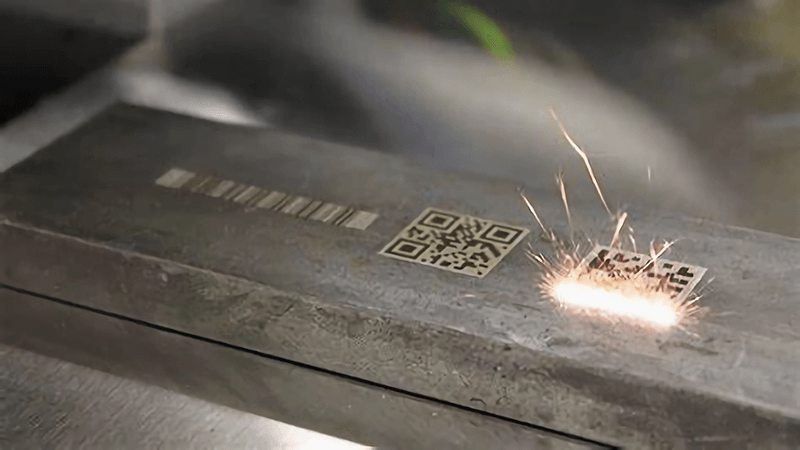
A fiber laser engraver is popular because it creates permanent, high-precision marks on metal and many industrial materials with almost no maintenance. It is fast, reliable, and cost-efficient for factories that need durable product identification, traceability, and branding.
When I talk with distributors and factory managers, I hear the same story again and again. Companies want marking that is permanent, fast, and easy to maintain. That is exactly why fiber laser marking machines have become the standard in modern manufacturing. At Kirin Laser, we see this shift every year.
Why buy a fiber laser?
Many manufacturers still rely on ink printing, labels, or mechanical engraving. These systems fail in harsh industrial environments. Marks fade. Labels fall off. Quality inspection becomes harder.
Companies buy fiber laser marking machines because they produce permanent marks on metals and industrial materials at high speed while requiring almost no maintenance. This improves traceability, reduces production errors, and lowers long-term operating costs.
When I visit production plants, I often see the same turning point. A company starts with traditional marking methods. After a few years, problems appear. Ink fades during shipping. Operators must constantly replace consumables. Production slows down. That is when many of them begin looking at fiber laser engraving machines1.
A few years ago, a customer told me their metal parts kept failing inspections because ink marks faded during shipping. They were frustrated with constant rework. After switching to a fiber laser engraving machine, the marks became permanent and crisp. One month later they told me returns basically disappeared.
Why fiber laser marking solves real factory problems
Fiber lasers work very differently from traditional marking methods. Instead of applying ink or pressure, the laser changes the material surface itself.
This creates marks that cannot peel, smear, or fade.
Key advantages manufacturers look for
| Feature | Benefit for Manufacturers |
|---|---|
| Permanent marking | Marks never fade or wear off |
| High speed | Thousands of parts can be marked per hour |
| No consumables2 | No ink, no labels, no chemicals |
| Low maintenance | Fiber laser sources can last over 100,000 hours |
| High precision | Clear QR codes, serial numbers, logos |
These advantages are why fiber laser machines quickly pay for themselves in many factories.
Why distributors prefer fiber laser machines
From the point of view of distributors and importers, fiber laser engravers are also easier to sell.
They solve a clear industrial problem.
Customers often need marking for:
- serial numbers
- QR codes
- barcodes
- logos
- traceability data
A reliable fiber laser machine becomes part of the production line. It is not just a tool. It becomes infrastructure.
How we see this trend at Kirin Laser
At Kirin Laser3, we manufacture OEM laser equipment for global partners. Our product line includes:
- fiber laser marking machines
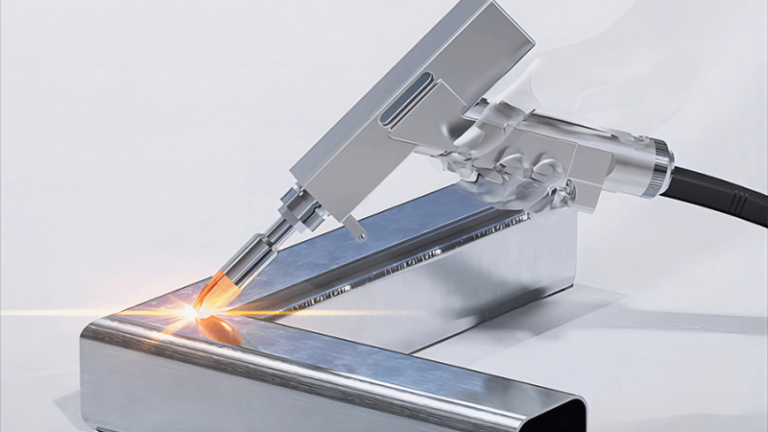
- laser welding machines
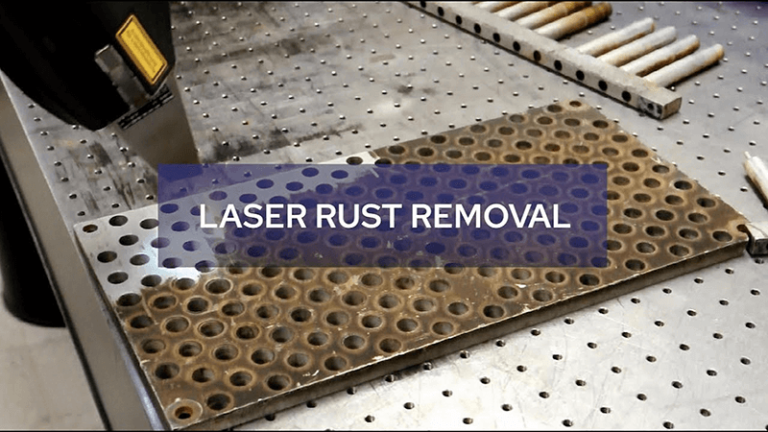
- laser cleaning machines
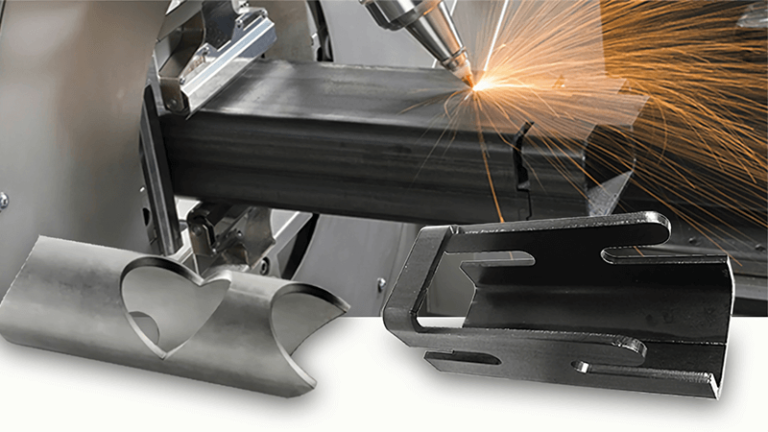
- laser cutting machines
Among all these machines, fiber laser engravers remain one of the most widely adopted solutions. Many partners start with marking machines before expanding into other laser technologies.
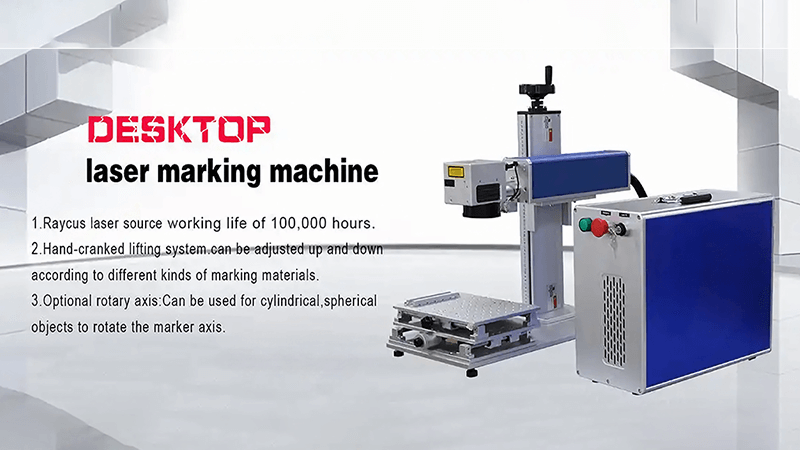
Which is better, CO2 or fiber laser?
Many buyers compare CO2 lasers and fiber lasers when choosing a marking system. Each technology has strengths. The better option depends on the material and the application.
Fiber lasers are generally better for marking metals and industrial parts, while CO2 lasers work better for organic materials like wood, leather, acrylic, and glass. For most industrial metal marking applications, fiber lasers are the preferred solution.
This question comes up in almost every conversation with new distributors. Many people know CO2 lasers because they are common in hobby machines and sign making. However, industrial manufacturers usually need something different.
The key difference between CO2 and fiber lasers
The difference mainly comes from the wavelength of the laser beam.
Fiber lasers operate at about 1064 nm, which is highly absorbed by metals.
CO2 lasers operate at about 10,600 nm, which is better absorbed by non-metal materials.
Practical material comparison
| Material | Fiber Laser | CO2 Laser |
|---|---|---|
| Stainless Steel | Excellent | Poor |
| Aluminum | Excellent | Poor |
| Brass | Excellent | Poor |
| Plastic | Good | Good |
| Wood | Limited | Excellent |
| Leather | Limited | Excellent |
| Acrylic | Limited | Excellent |
Because of this difference, most metal manufacturers choose fiber laser engravers.
Why factories prefer fiber lasers for metal marking
Metal components require high precision. Many industries must mark traceability information such as batch numbers and serial codes.
These industries include:
- automotive parts
- aerospace components
- medical tools
- electronics hardware
- machinery components
Fiber lasers produce extremely fine lines4 and deep contrast marks on these materials.
Maintenance comparison
Another big factor is maintenance.
CO2 lasers require more maintenance5 because the laser tube eventually needs replacement.
Fiber lasers are solid-state systems. They have far fewer moving parts.
| Technology | Typical Lifetime |
|---|---|
| CO2 Laser Tube | 3,000 – 10,000 hours |
| Fiber Laser Source | 100,000+ hours |
This difference matters a lot for factories running 24-hour production.
How Kirin Laser helps partners choose
When partners work with us, we always start with one question:
What materials will your customers mark?
If the answer is metal parts, fiber laser engravers are almost always the right solution.
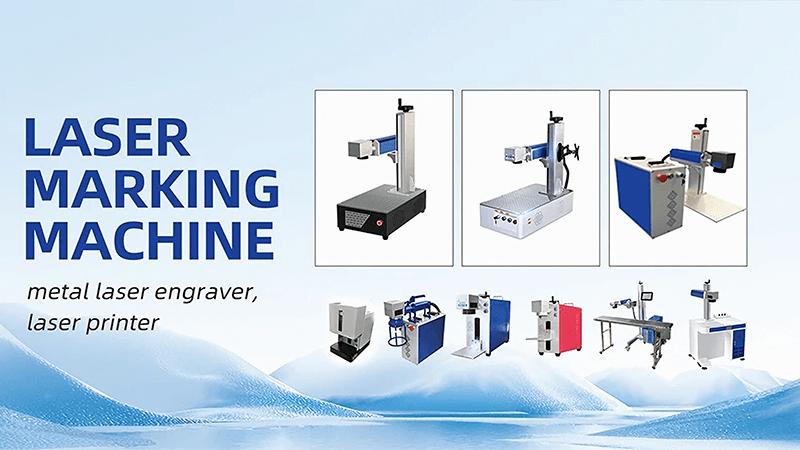
Is a fiber laser engraver better than a UV laser engraver?
Many people hear about UV laser marking machines and assume they must be better because they are newer technology. In reality, the two systems serve different purposes.
Fiber laser engravers are better for metal marking and high-speed industrial production, while UV laser engravers are better for delicate materials like plastics, glass, and electronics where heat must be minimized.
UV lasers are sometimes called “cold lasers” because they generate less heat during marking. This allows them to mark sensitive materials without burning or melting them.
Material suitability comparison
| Material | Fiber Laser | UV Laser |
|---|---|---|
| Stainless Steel | Excellent | Good |
| Aluminum | Excellent | Good |
| Plastic Electronics | Good | Excellent |
| Glass | Limited | Excellent |
| Silicon Wafers | Limited | Excellent |
| Painted Surfaces | Good | Good |
Why fiber lasers dominate industrial marking
Despite the advantages of UV lasers, fiber lasers still dominate industrial marking markets.
There are several reasons.
First is speed. Fiber lasers can mark metal parts extremely quickly.
Second is power efficiency6. Fiber laser systems consume less energy.
Third is cost. UV laser machines are significantly more expensive.
Typical applications for each technology
Fiber laser marking applications
- metal serial numbers
- automotive components
- stainless steel tools
- aluminum housings
- industrial traceability codes
UV laser marking applications
- smartphone glass
- circuit boards
- plastic medical packaging
- semiconductor components
What most distributors choose
In my experience working with global partners, fiber laser marking machines are usually the first product distributors introduce to the market.
The demand is simply much larger.
UV lasers are more specialized.
Our experience at Kirin Laser
At Kirin Laser, we produce both fiber and UV marking systems for OEM partners. However, fiber laser engravers consistently remain the most requested machines.
Many distributors start with fiber marking machines because they offer:
- broader application range7
- lower entry cost
- easier maintenance
- faster ROI for customers
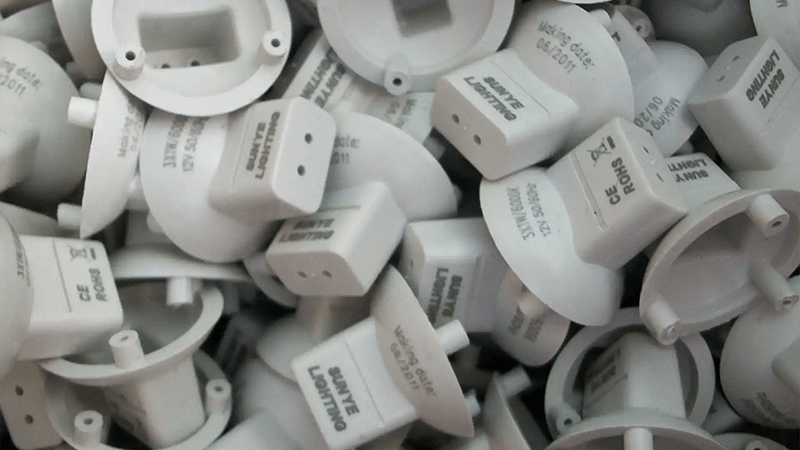
What can a fiber laser not engrave?
Fiber lasers are extremely powerful for many industrial tasks, but they are not universal. Some materials do not absorb the fiber laser wavelength efficiently.
Fiber laser engravers struggle with transparent materials, organic materials, and some soft materials like clear glass, untreated wood, and certain fabrics. These materials are usually better processed with CO2 or UV lasers.
Understanding these limitations helps distributors recommend the right machine to their customers.
Materials that fiber lasers struggle with
| Material | Reason |
|---|---|
| Clear glass | Laser wavelength passes through |
| Transparent plastics | Low absorption |
| Raw wood | Better processed by CO2 laser |
| Leather | CO2 laser produces cleaner cuts |
| Fabric | Fiber lasers may burn material |
These materials require different laser wavelengths.
Why wavelength matters
Laser engraving depends heavily on how materials absorb energy.
Fiber laser wavelength interacts strongly with metals.
Organic materials absorb CO2 wavelengths much better.
Smart solution for distributors
Many successful distributors offer multiple laser technologies8.
This allows them to serve more industries.
Typical product portfolio may include:
- fiber laser marking machines9
- CO2 laser engraving machines
- UV laser marking systems
- laser welding machines
- laser cleaning machines
This approach increases market coverage.
How Kirin Laser supports OEM partners
At Kirin Laser, we manufacture several laser equipment categories so partners can build a full product line.
Our main systems include:
- fiber laser marking machines
- handheld laser welding machines
- laser cleaning machines
- fiber laser cutting machines
This allows our distributors to serve many industries with one reliable supplier.
From my experience, fiber laser engravers are usually the starting point. Once customers see the value of laser technology, they often expand into other laser applications.
Conclusion
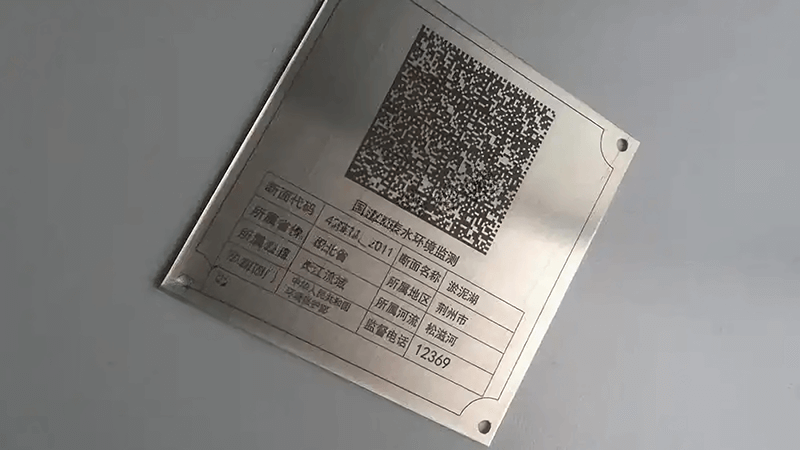
Fiber laser engravers became popular because they solve real industrial problems. They create permanent marks, run at high speed, and require very little maintenance. For metal parts, they deliver precision that traditional methods cannot match. From what I have seen in factories, once companies switch to fiber laser marking machines, they rarely go back. At Kirin Laser, we see this trend across many industries. Fiber laser technology continues to become the standard for reliable, high-quality industrial marking.
-
Discover how fiber laser engraving machines can enhance your production process with permanent, high-speed marking solutions. ↩
-
Explore the cost-saving benefits of using machines that require no consumables, reducing waste and maintenance. ↩
-
Find out about Kirin Laser's range of products and how they can support your industrial needs with advanced laser technology. ↩
-
Discovering how fiber lasers achieve precision can be crucial for industries requiring detailed and accurate markings on metal components. ↩
-
Learning about the maintenance needs of CO2 lasers can help in making informed decisions about long-term operational costs and efficiency. ↩
-
Understanding the power efficiency of fiber lasers can help businesses reduce operational costs and improve sustainability. ↩
-
Exploring the broader application range of fiber lasers can reveal opportunities for diverse industrial applications and increased versatility. ↩
-
Exploring this link will reveal how offering multiple laser technologies can expand market coverage and serve diverse industries, enhancing business growth. ↩
-
Discover how fiber laser marking machines can be a starting point for OEM partners, leading to expanded applications and increased customer satisfaction. ↩