Many manufacturers still struggle with welding quality. Traditional welding methods often leave burn marks, distortion, or slow production speed. I see many distributors and factory owners searching for a cleaner and faster solution for metal welding.
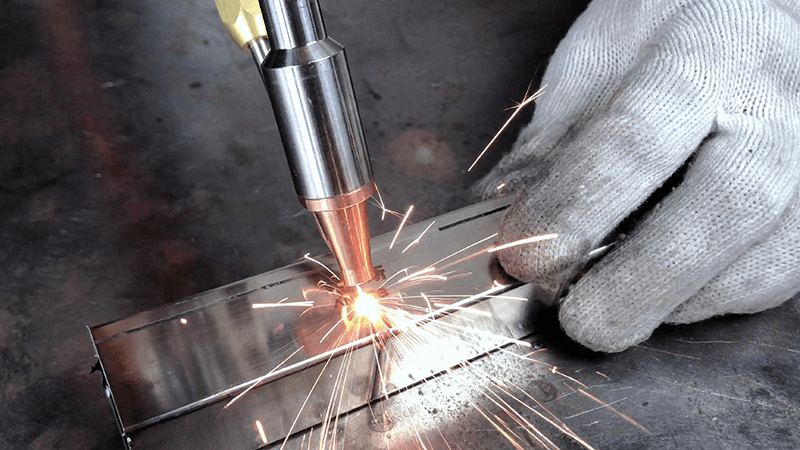
A fiber laser welding machine can weld many industrial metals such as stainless steel, carbon steel, aluminum, copper, titanium, and nickel alloys. The laser concentrates heat in a small area, which creates clean seams, low distortion, and faster production compared with traditional welding methods.
Laser welding technology is becoming more common in modern manufacturing. I have worked with many distributors and factory buyers who want reliable, high-quality welding equipment. In this article, I will explain which materials a laser welding machine can weld, how the process works, and how we approach this technology at Kirin Laser.
What materials can a laser welder weld?
Laser welding machines are very flexible. Many people ask me which materials they can weld with a handheld fiber laser welder. This question often comes from distributors who want to know if the machine can serve multiple industries.
A fiber laser welder can weld stainless steel, carbon steel, aluminum, copper, titanium, and nickel alloys. These metals absorb laser energy well and allow strong, clean weld seams with minimal heat distortion.
Common metals for laser welding
| Material | Welding Performance | Typical Applications |
|---|---|---|
| Stainless Steel | Excellent weld quality | Kitchen equipment, medical tools |
| Carbon Steel | Stable and strong welds | Machinery frames, construction parts |
| Aluminum | Good with correct settings | Automotive parts, enclosures |
| Copper | High reflectivity but weldable | Electrical components |
| Titanium | Clean weld with low contamination | Aerospace, medical devices |
| Nickel Alloys | Strong corrosion resistance | Chemical equipment |
Stainless steel welding
In my experience, stainless steel is the most common material for handheld laser welding machines1. Many manufacturers use stainless steel for equipment housings, furniture frames, and food machinery. The laser produces narrow weld seams. It also reduces discoloration. This helps factories reduce polishing time.
Carbon steel welding
Carbon steel is widely used in industrial manufacturing. Laser welding works well for carbon steel sheets and structural parts. The process gives deep penetration and strong weld joints. Many customers choose laser welding because it increases production speed compared with MIG welding.
Aluminum welding
Aluminum is more difficult because it reflects laser energy. But modern fiber laser welding machines2 can handle aluminum well with correct parameters. I often recommend proper shielding gas and power settings when welding aluminum sheets.
My real customer story
I once helped a distributor whose customers had trouble welding thin stainless steel sheets. Their factory used TIG welding. The material often burned through. Their production line slowed down.
After switching to a handheld fiber laser welding machine, the weld seams became clean and stable. There was almost no deformation. Their production speed nearly doubled. That moment convinced many of their customers that laser welding was the right upgrade.
What can you use a laser welder for?
Many buyers focus only on materials. But another key question is how laser welding machines are used in real production environments.
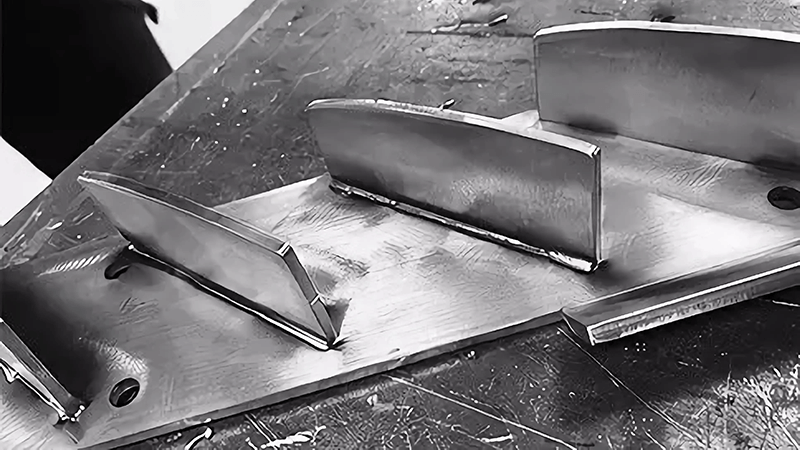
A laser welder can be used for sheet metal fabrication, automotive parts, kitchen equipment, metal furniture, machinery housings, pipelines, and precision components. Its speed and clean weld seams make it ideal for modern manufacturing.
Major industrial applications
| Industry | Typical Welding Tasks | Benefits |
|---|---|---|
| Sheet Metal Fabrication | Cabinets, panels, enclosures | Fast and clean seams |
| Automotive | Exhaust systems, body parts | High precision |
| Kitchen Equipment | Stainless steel sinks, tables | Low discoloration |
| Metal Furniture | Frames and joints | Smooth appearance |
| Machinery Manufacturing | Structural parts | Strong weld penetration |
Sheet metal fabrication
Many of our Kirin Laser customers come from sheet metal fabrication industries3. These factories produce cabinets, electrical boxes, and equipment housings. They need clean weld seams because the final products are visible to customers.
Laser welding machines reduce grinding work. Operators can complete weld seams quickly. This helps improve factory efficiency.
Automotive components
Automotive suppliers also use laser welding for parts such as exhaust systems, brackets, and battery components. The laser provides high precision and consistent welding depth.
Decorative metal products
Some manufacturers produce decorative stainless steel products. For them, weld appearance is important. Laser welding creates smooth seams that require little polishing.
Our experience at Kirin Laser
At Kirin Laser, we design handheld laser welding machines4 that are easy to operate. Many operators learn the basic process in just a few hours. This is very different from TIG welding, which requires experienced welders.
For distributors, this advantage is important. It helps their customers reduce labor training costs.
Can laser welders weld thick steel?
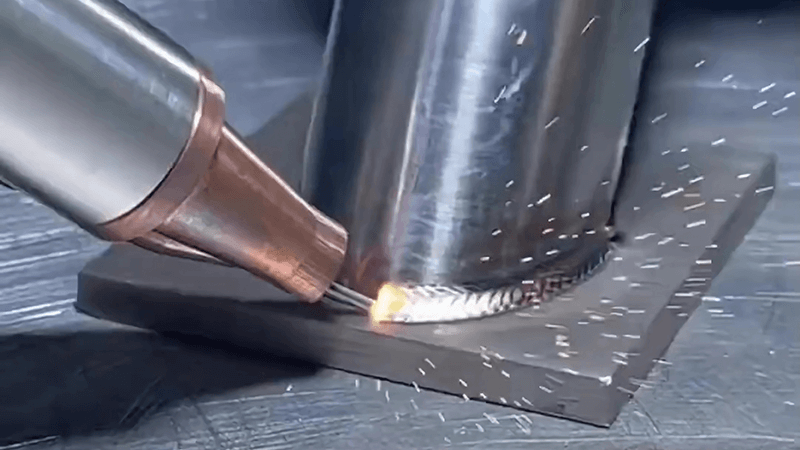
Many buyers believe laser welding only works for thin metal sheets. In fact, modern fiber laser welding machines can weld relatively thick materials depending on laser power.
Yes, laser welders can weld thick steel. The welding thickness depends on the laser power. Higher power machines allow deeper penetration and stronger weld joints for thicker materials.
Typical welding thickness
| Laser Power5 | Stainless Steel | Carbon Steel | Aluminum |
|---|---|---|---|
| 1.5KW | 5 mm | 4 mm | 4 mm |
| 2KW | 6 mm | 5 mm | 5 mm |
| 3KW | 10 mm | 10 mm | 7 mm |
| 6KW | 14 mm | 14 mm | 10 mm |
Why laser welding handles thick metals
Laser welding uses a very concentrated heat source. The laser beam focuses energy into a tiny spot. This creates deep penetration6 quickly. Traditional welding spreads heat across a larger area. That often causes distortion.
Power selection matters
When distributors choose machines from us, I always recommend selecting the right laser power based on the customer's materials.
For example:
- Sheet metal factories often use 1.5KW or 2KW machines
- Machinery manufacturers prefer 3KW machines
- Heavy fabrication plants may choose 6KW machines
Choosing the correct power improves weld quality and productivity.
Another advantage: minimal distortion
Even when welding thicker steel plates, the heat affected zone remains small. This helps maintain the shape of the material. Many factories value this benefit because it reduces post-processing work.
Do laser welders need gas?
Another common question from new buyers is whether shielding gas is required for laser welding machines.
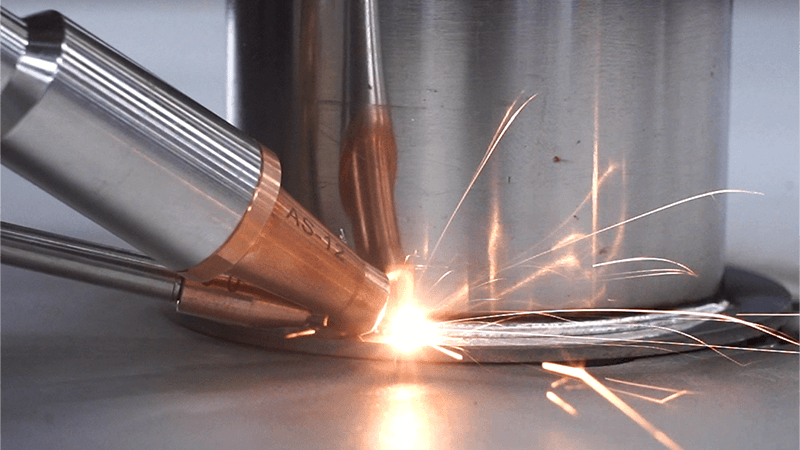
Yes, laser welders usually use shielding gas. The gas protects the molten metal from oxidation and helps create smoother and stronger weld seams.
Common shielding gases
| Gas Type | Purpose | Typical Materials |
|---|---|---|
| Argon | Prevent oxidation7 | Stainless steel, aluminum |
| Nitrogen | Improve weld appearance8 | Stainless steel |
| Helium | Deep penetration | Thick materials |
Why shielding gas is important
When metal melts during welding, it reacts easily with oxygen in the air. This reaction can create oxidation or weak weld joints. Shielding gas protects the weld pool from air.
Gas consumption is low
Compared with traditional welding methods, laser welding usually uses less shielding gas. The laser weld pool is small, so the gas flow is also lower.
Practical recommendation
Most of our customers use argon gas for general welding tasks. Argon works well for stainless steel and aluminum. It also produces stable weld seams.
For distributors who supply different industries, I usually recommend preparing argon cylinders as the standard gas option.
Conclusion
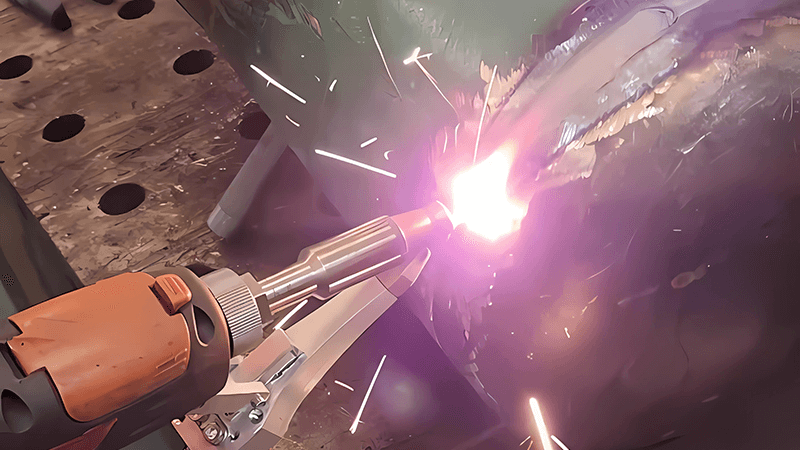
Laser welding machines have become a powerful tool in modern metal fabrication. From my experience at Kirin Laser, a fiber laser welding machine can weld many industrial metals such as stainless steel, carbon steel, aluminum, copper, titanium, and nickel alloys. The technology offers clean weld seams, high speed, and low distortion. It also supports different welding thickness levels depending on laser power. With proper shielding gas and the correct parameters, laser welding provides a reliable solution for manufacturers who want higher productivity and better weld quality.
-
Discover how handheld laser welding machines enhance efficiency and quality in stainless steel applications, reducing polishing time and improving weld seams. ↩
-
Learn how fiber laser welding machines overcome aluminum's reflectivity challenges, ensuring better weld quality with proper settings and shielding gas. ↩
-
Explore how laser welding enhances efficiency and quality in sheet metal fabrication, making it a preferred choice for producing visible products. ↩
-
Discover the advantages of handheld laser welding machines, including ease of use and reduced training costs, making them ideal for various industries. ↩
-
Understanding laser power's role in welding can help you choose the right equipment for efficient and high-quality metal fabrication. ↩
-
Understanding deep penetration in laser welding can help you appreciate how this technique achieves strong and precise welds, especially for thick metals. ↩
-
Understanding how argon prevents oxidation can help you achieve stronger and more durable welds, ensuring the quality and longevity of your projects. ↩
-
Exploring how nitrogen enhances weld appearance can lead to more aesthetically pleasing results, which is crucial for projects where visual quality matters. ↩