Cutting metal can be tricky. Many machines promise speed and precision, but most struggle with hard metals. I know the struggle, and I’ve found a better solution for anyone working with metal fabrication.
The best laser for cutting metal is a fiber laser. Its short-wavelength beam is absorbed efficiently by metals like steel, aluminum, and copper. This gives fast, precise cuts, low heat damage, and lower energy costs.
If you want to improve your metal cutting process, keep reading. I will explain why fiber lasers outperform other types and share tips from my experience at Kirin Laser.
What kind of laser can cut through metal?
Cutting metal with the wrong machine wastes time and money. I’ve seen workshops struggle with slow machines that burn edges or leave rough cuts. This creates stress for anyone trying to deliver high-quality metal parts quickly.
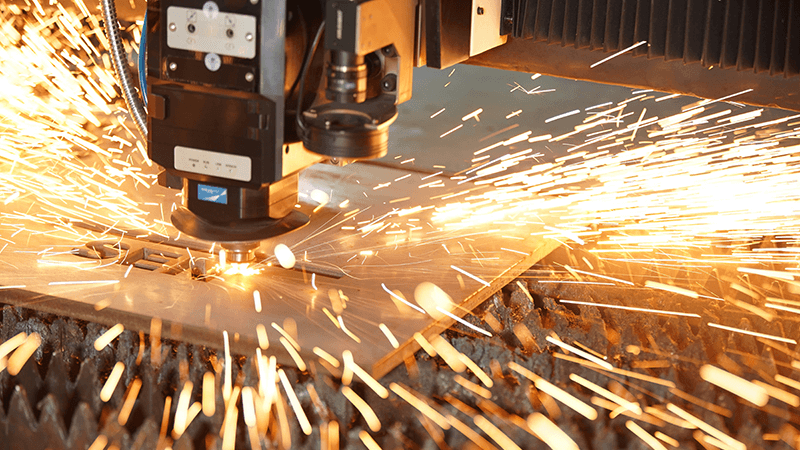
Fiber lasers are the type of laser that can cut through metal efficiently. Unlike CO2 or other lasers, the fiber laser’s wavelength is perfect for absorbing into metal surfaces. It allows fast, clean cuts with minimal heat-affected zones, which means less warping and less material waste.
Why fiber lasers are better than CO2 for metal
| Feature | Fiber Laser | CO2 Laser |
|---|---|---|
| Wavelength | ~1 µm | ~10.6 µm |
| Metal absorption | High | Low |
| Cutting speed | Fast | Slower |
| Energy efficiency | High | Medium |
| Maintenance | Low | Higher |
| Precision | High | Medium |
Fiber lasers are smaller, more energy-efficient1, and easier to maintain. They require less power to achieve the same results and handle thin and thick metals without changing machines. For workshops looking to improve throughput, this is key.
I remember a small workshop struggling with stainless steel. Their CO2 laser gave slow, inconsistent cuts. I suggested a fiber laser cutting machine from Kirin Laser. Within weeks, throughput doubled, edges were cleaner, and waste dropped. Even complex shapes were cut perfectly. Fiber lasers can transform your metal fabrication workflow2.
Can you cut metal with a CO2 laser?
Many people ask me this question. They see CO2 lasers advertised as metal cutters but are unsure if they really work. I’ve tested both types and know what performs best in real-world conditions.
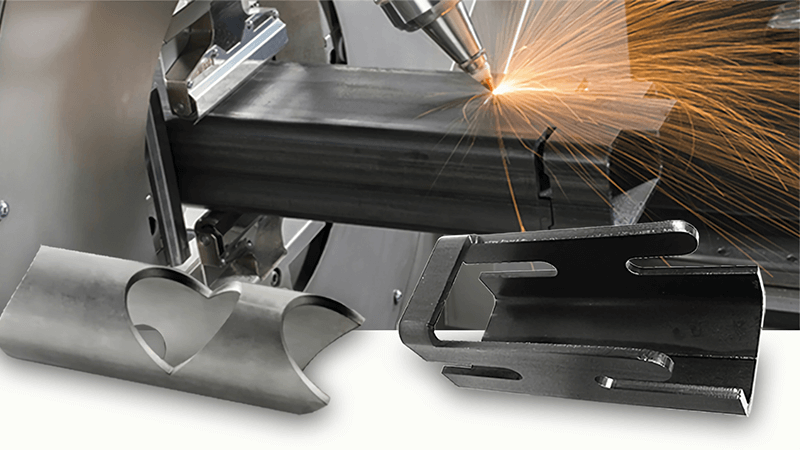
Yes, CO2 lasers can cut metal, but not efficiently. They require very high power for even thin metals, and cuts are slower with rougher edges. Metals like stainless steel, aluminum, and copper absorb CO2’s longer wavelength poorly, leading to wasted energy and heat-affected zones.
Limitations of CO2 lasers for metal
| Aspect | CO2 Laser Limitations |
|---|---|
| Speed | Slow for thick metal |
| Edge quality | Rough edges common |
| Energy use | High for same thickness |
| Maintenance | Requires mirrors and lenses replacement |
| Suitable metals | Limited to thin sheets, mild steel |
Fiber lasers outperform CO23 in almost every category. They cut cleaner, faster, and more reliably. If your goal is precision and efficiency, CO2 lasers may fall short, especially in production environments.
For small workshops or industrial applications, switching to fiber laser technology4 drastically reduces downtime, waste, and labor costs. At Kirin Laser, our fiber machines are designed to be plug-and-play and customizable for multiple metal types, making the transition smooth.
What are the best metals for laser cutting?
Not all metals react the same way to lasers. Some metals are easier to cut than others, while some require specific laser types and power levels. Choosing the right metal helps maximize efficiency.
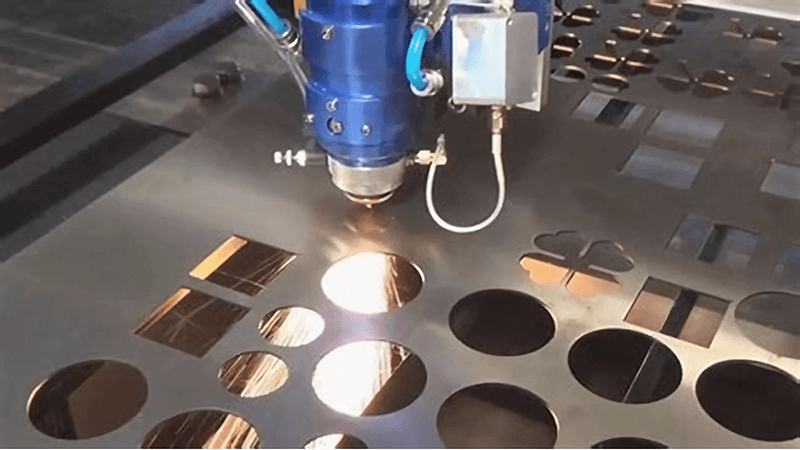
Steel, stainless steel, aluminum, and copper are best for fiber laser cutting. Fiber lasers excel at cutting metals that absorb their short wavelength. Soft metals like brass or thin sheets of aluminum are easier, while highly reflective metals like copper or brass may need higher power but still cut cleanly.
Metal properties and laser compatibility
| Metal | Absorption (Fiber) | Notes |
|---|---|---|
| Mild steel | High | Fast cuts, low power |
| Stainless steel | High | Clean edges, minimal warping |
| Aluminum | Medium | May need higher power |
| Copper | Medium | Highly reflective, requires high power |
| Brass | Medium | Works well with fiber, reflective |
| Titanium | High | Cuts well but slower, expensive |
Fiber lasers handle thickness variation well5. Thin sheets cut quickly, while thick plates require slower passes but maintain precision. At Kirin Laser, our fiber machines are built to handle multiple thicknesses without changing setups. This flexibility makes them ideal for metal fabrication shops.
I’ve seen operators switch from multiple machines to a single fiber laser for all these metals. It reduced the need for extra equipment and simplified workflow. Clean, precise cuts with minimal heat damage6 mean less post-processing, which saves time and cost.

How powerful of a fiber laser do you need to cut metal?
Choosing the right power level is critical. A weak laser struggles with thick metals, while an overly powerful machine may waste energy and increase costs. I often help clients match power to their metal types and thicknesses.
A 1,000W to 4,000W fiber laser is ideal for most metal cutting applications. Thin sheets under 3mm can be cut with 1,000W. Medium metals up to 10mm may need 2,000W. Thick stainless steel or aluminum plates up to 20mm require 4,000W or more. Beyond that, industrial-scale machines are necessary.
Recommended fiber laser power by metal and thickness
| Metal Type | Thickness | Recommended Power |
|---|---|---|
| Mild steel | <3mm | 1,000W |
| Mild steel | 3–10mm | 2,000W |
| Stainless steel | <3mm | 1,000–1,500W |
| Stainless steel | 3–10mm | 2,000–3,000W |
| Aluminum | <3mm | 1,500W |
| Aluminum | 3–10mm | 3,000W |
| Copper | <3mm | 2,000W |
| Copper | 3–10mm | 4,000W |
Power also affects speed and cut quality. Higher wattage reduces cut time and produces cleaner edges, but efficiency drops if power is too high for thin sheets. Our Kirin Laser machines allow adjustable power settings7 for optimal results across different metals.
I remember helping a client struggling with stainless steel up to 10mm. They were using a 1,000W machine, and cuts were slow with rough edges. I recommended a 3,000W fiber laser8 from Kirin Laser. The improvement was immediate—cuts were smooth, precise, and fast. They could handle thicker metal without changing machines, saving labor and time.
Conclusion
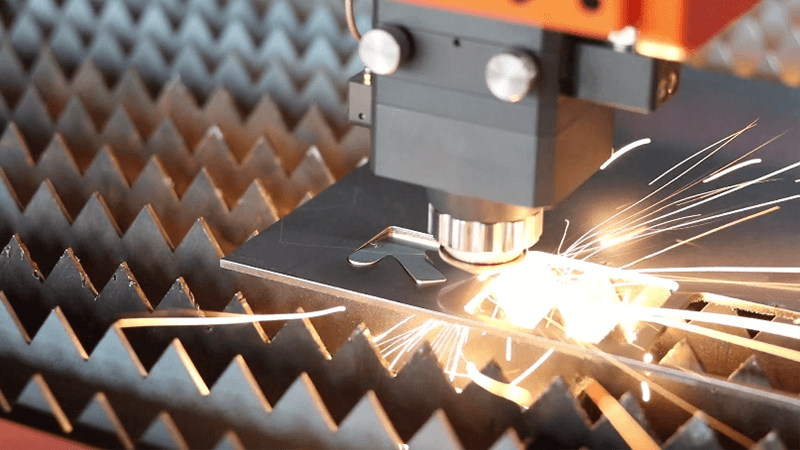
Fiber lasers are the best choice for cutting metal. They cut faster, cleaner, and with lower energy than CO2 lasers. Steel, stainless steel, aluminum, and copper absorb fiber laser beams efficiently. Power selection is key to balance speed and precision. At Kirin Laser, our fiber laser machines are designed for workshops and industrial users to maximize throughput, reduce waste, and achieve perfect cuts with every job. Fiber lasers can truly transform metal fabrication.
-
Discover how fiber lasers save energy and reduce costs, making them a sustainable choice for metal fabrication. ↩
-
Learn how fiber lasers enhance precision and speed, transforming your metal fabrication process for better productivity. ↩
-
Discover why fiber lasers are superior to CO2 lasers in terms of speed, edge quality, and energy efficiency, making them ideal for precision cutting. ↩
-
Learn how transitioning to fiber laser technology can reduce downtime, waste, and labor costs, enhancing productivity in metal cutting applications. ↩
-
Understanding how fiber lasers manage thickness variation can help optimize cutting processes and improve efficiency in metal fabrication. ↩
-
Exploring the benefits of clean, precise cuts can lead to better quality products and reduced post-processing time, saving costs in metal fabrication. ↩
-
Exploring adjustable power settings can help you understand how to optimize laser cutting for different metals and thicknesses, enhancing efficiency. ↩
-
Discover how a 3,000W fiber laser enhances cutting speed and precision, especially for stainless steel up to 10mm, improving efficiency and quality. ↩