Laser marking is easy to overlook until a product needs a code, logo, or serial number that must stay clear for years. I often see manufacturers lose time and trust because weak marks fade, smear, or fail basic traceability needs.
A laser marking machine can mark a wide range of products, including metal tools, auto parts, electronics, medical devices, plastic packaging, wood items, glass products, and branded consumer goods. I see fiber, CO₂, and UV lasers as different tools for different materials, speeds, and marking standards.
When I talk with buyers, distributors, and factory owners, I notice that many of them do not ask only one question. They really ask four questions at the same time. They want to know what products can be marked, why marking matters, what jobs the machine can do, and what business value it creates. From my point of view at Kirin Laser, these are practical questions. They are about production reality, product positioning, and long-term return.
What products can be laser engraved?
Many factories know laser marking is useful, but they still feel unsure about product fit. I often find that this uncertainty slows down decisions, even when the production need is already clear. A wrong guess about material compatibility can lead to waste, delays, and poor mark quality.
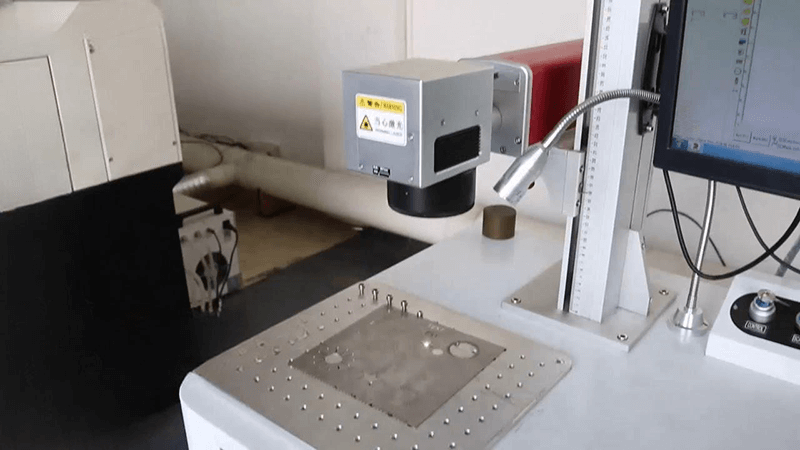
Laser engraving and laser marking can be used on many products, such as metal parts, plastic housings, tools, jewelry, electronic components, wood packaging, acrylic items, glass bottles, and medical parts. In my experience, the best result depends on matching the right laser source—fiber, CO₂, or UV—to the material and the mark requirement.
When I look at this question from Kirin Laser’s side, I do not start with the machine model first. I start with the product material, the production speed, and the reason for the mark. That is the only way to make a good recommendation. A metal wrench and a plastic medicine cap may both need a code, but they do not need the same laser source. This is where many buyers need a clear breakdown.
How I group laser engraving products by material
I usually divide products into a few practical categories. This makes the buying decision easier.
| Material Category | Common Products | Recommended Laser Type | Main Reason |
|---|---|---|---|
| Metals | Tools, bearings, engine parts, surgical instruments, nameplates | Fiber laser1 | Strong absorption, fast speed, permanent contrast |
| Plastics | Electronic shells, connectors, packaging caps, labels | CO₂ or UV laser | Depends on plastic type and heat sensitivity |
| Wood & Paper | Gift boxes, packaging, signs, tags | CO₂ laser | Clean organic material processing |
| Glass & Crystal | Bottles, cups, decorative pieces, lab parts | UV laser | Fine marking with low heat effect |
| Coated Materials | Painted parts, anodized aluminum, coated tags | Fiber or UV laser | Sharp surface contrast without deep damage |
What I often see in real factories
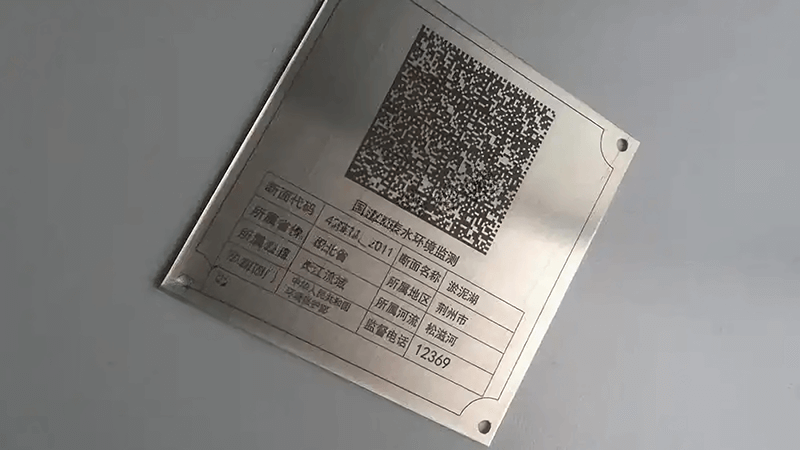
I have seen fiber laser marking machines perform best on metal-based products. This includes stainless steel tools, aluminum parts, brass fittings, and many industrial nameplates. The mark is sharp, permanent, and easy to scan if the customer needs QR codes or data matrix codes. This matters a lot in automotive, aerospace, machinery, and hardware distribution.
I have also seen CO₂ laser2 marking machines work well for non-metal materials like wood, paperboard, leather, and some plastics. For packaging suppliers and consumer product manufacturers, this is a useful solution. A clean logo on a wood box or a production code on coated paper packaging can add both function and brand value.
UV laser marking machines3 are different. I see them as the best answer when the product surface is delicate, the marking area is tiny, or the heat tolerance is low. This is why UV machines are often a strong fit for medical plastics, cosmetic containers, cable insulation, glass bottles, and electronic micro-components. The mark is fine, neat, and controlled.
I once worked with a manufacturer that struggled to mark tiny serial numbers on metal tools. Their old method smudged easily, and the codes wore off too fast. I suggested a fiber laser marking machine. After that change, every tool had a crisp, permanent mark. Their QA team cut inspection time almost in half. For me, that case showed the real value of correct machine matching4. The machine did not just add a mark. It improved workflow, quality control, and confidence.
What is the use of laser marking machine?
Some buyers think a laser marking machine is just a device for adding text or logos. That view is too narrow. I often see factories miss bigger business value because they treat marking as a small finishing step instead of a core part of product control.
The use of a laser marking machine is to create permanent information or design on a product surface for traceability, branding, compliance, identification, anti-counterfeiting, and production management. I see it as a tool that supports both manufacturing quality and market trust.
When I explain this to customers, I try to keep it simple. A laser marking machine helps a product speak clearly. It tells people what the product is, where it came from, when it was made, and whether it meets a required standard. In many industries, that is not optional. It is basic business protection.
The main uses I see in production
Laser marking has several clear uses, and each use matters in a different way.
| Use Case | What Gets Marked | Why It Matters |
|---|---|---|
| Traceability | Serial numbers, batch codes, QR codes | Helps track product origin and production lot |
| Branding | Logos, brand names, slogans | Builds product identity and market recognition |
| Compliance | CE marks, warning labels, safety info | Supports legal and industry requirements |
| Anti-counterfeiting | Unique codes, hidden marks, custom patterns | Helps protect brand and supply chain |
| Production control | Date codes, operator codes, line numbers | Makes factory management easier |
Why I see traceability as the biggest value
If I had to choose one use that matters most, I would say traceability5. In modern manufacturing, traceability is not just a nice feature. It is a system need. Buyers want to know which part came from which batch. Service teams want to know which product version was shipped. QA teams want to find defect sources fast. Distributors want fewer disputes. A good laser mark supports all of this.
This is why fiber lasers are so valuable in metal part production. They can create durable serial numbers, 2D codes, and production marks that do not fade in harsh environments. That is important for machine parts, tools, and automotive components. For packaging and non-metal surfaces, CO₂ or UV systems often do the same job in a more suitable way.
Branding is also more important than many people think
I also think many people underestimate branding6. A permanent, precise logo gives a product a stronger identity. It looks more professional. It supports private label and OEM business. Since Kirin Laser also works in OEM and machine customization, I know how important this is for distributors and wholesalers. Many of them do not only want a machine that works. They want a machine that helps their own customers create a stronger final product.
A laser marking machine can do that. It can add a clean logo to metal tools, a neat product code to electronics, or a subtle decorative mark to premium packaging. These are not minor details. In many markets, these details shape the buyer’s first impression and long-term trust.
What can you use a laser machine for?
A lot of people hear “laser machine” and think about only one function. That creates confusion. Some expect it to cut thick steel. Others expect it to decorate gifts. Some want to code industrial parts. I think the better question is not just what a laser machine can do, but what kind of laser machine is made for which job.
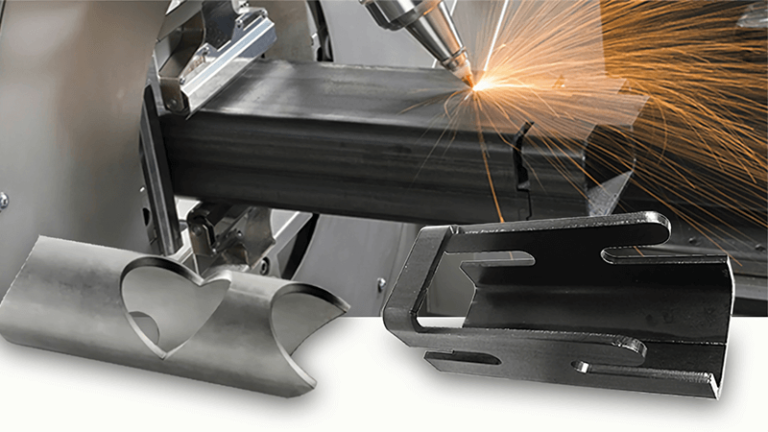
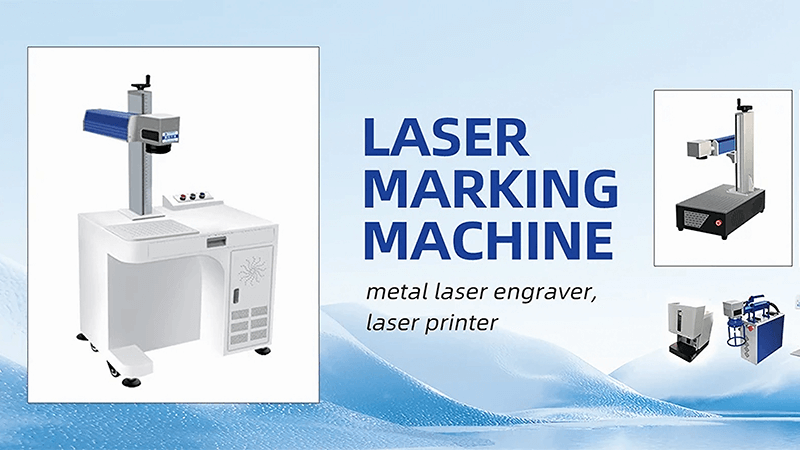
You can use a laser machine for marking, engraving, coding, etching, branding, decorating, traceability, and light surface processing. In my view, fiber, CO₂, and UV laser marking machines are built mainly for precise identification and surface work, not for heavy cutting or deep machining.
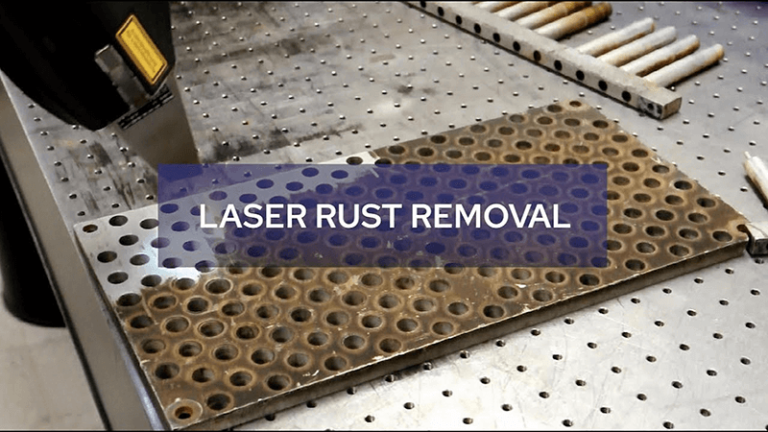
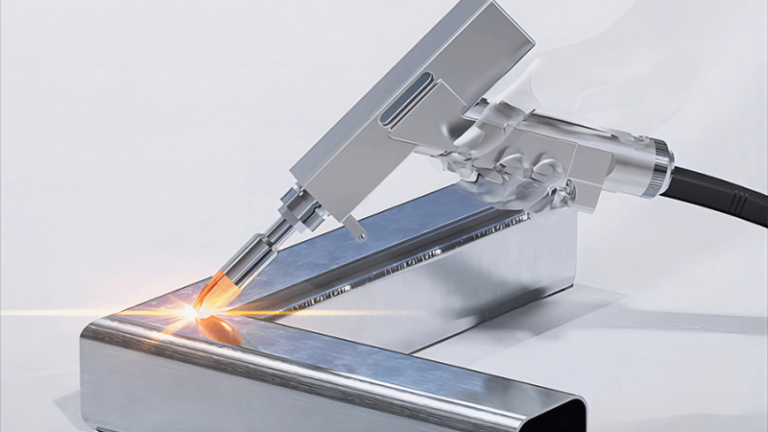
At Kirin Laser, we produce several types of laser equipment, including laser cleaning machines7, laser welding machines, and laser marking machines. So when I answer this question, I always want to separate the machine categories clearly. A laser marking machine is not the same as a laser welding machine. A UV marking system is not meant to do the same job as a fiber welding unit. Buyers make better decisions when these roles are clear from the start.
What a laser marking machine is really used for
Here is how I explain it in a direct way:
| Laser Machine Type | Best For | Not Ideal For |
|---|---|---|
| Fiber laser marking machine | Marking metals and some plastics | Organic materials like wood at scale |
| CO₂ laser marking machine | Marking wood, paper, acrylic, leather, some plastics | Bare metals without special treatment |
| UV laser marking machine8 | Fine marks on sensitive materials like glass and medical plastic | High-speed deep metal engraving |
| Laser welding machine | Joining metal parts | Product coding and serial number marking |
| Laser cleaning machine | Removing rust, paint, coating, residue | Permanent logos or data codes |
The real jobs customers ask us to solve
In actual business talks, I hear customers ask for many practical uses. They want to put QR codes on aluminum parts. They want to mark lot numbers on plastic bottles. They want to add logos to stainless steel tools. They want production dates on cable jackets. They want anti-fake codes on branded accessories. They want model numbers on electronic shells. These are all good jobs for marking machines, but not always for the same laser source.
That is why I always bring the conversation back to three factors: material, mark depth, and speed. If the product is metal and needs speed, fiber is often the first choice. If the product is wood, paper, or many organic materials, CO₂ is usually more suitable. If the product is delicate, tiny, or heat-sensitive, UV is often the better answer.
Why this matters for distributors and OEM buyers
For distributors like John Smith in the U.S. market, this distinction is very important. He is not just buying one machine for one factory. He is often thinking about product mix, customer sectors, private labeling, and long-term support. A laser machine that looks good on paper but fits the wrong material will create service problems later. That means returns, training issues, and unhappy end users.
From my point of view, the best use of a laser machine is not only technical. It is strategic. The right machine lets a distributor enter new market segments with confidence. It helps an OEM partner offer better customization. It makes after-sales support more manageable because the application fit is clear from the beginning. That is the kind of value I want Kirin Laser to deliver.
What can I make with a laser engraving machine?
Many people ask this question from a creative angle, but in my world, I also hear it from a business angle. They want to know what products they can build, improve, or sell with this machine. That is a smart question because a machine should create output, not just capability.
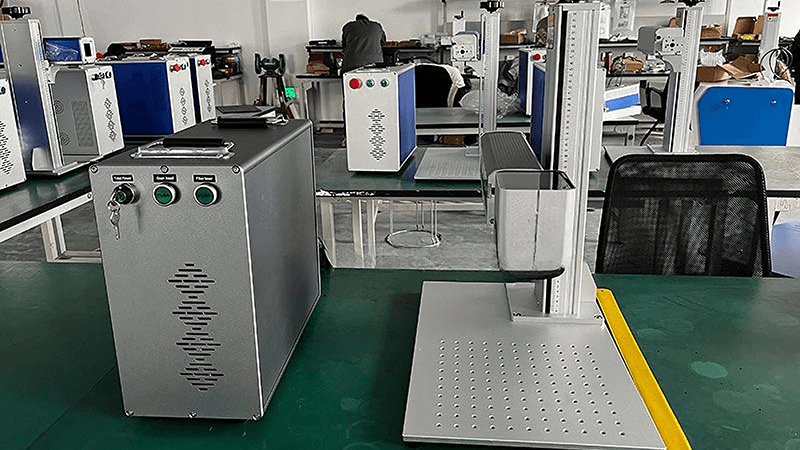
With a laser engraving machine, I can make branded products, coded industrial parts, personalized gifts, custom packaging, labeled tools, marked medical components, and traceable electronic products. I see the machine not only as a production tool, but as a way to create more product value and more sales options.
I like this question because it connects production with business growth. A laser engraving machine9 does not just change the product surface. It changes how a product is presented, managed, and sold. In many cases, it lets a factory move from plain output to branded output. That is a very big step.
What I believe you can make in real business terms
| Product Direction | Examples | Business Value |
|---|---|---|
| Industrial identification products | Marked tools, coded valves, serialized machine parts | Better QA and traceability |
| Branded OEM products | Private label hardware, custom logo accessories, branded housings | Higher perceived value |
| Retail and gift items | Personalized tumblers, tags, plaques, wood boxes | Customization and short-run flexibility |
| Packaging solutions | Marked cartons, logo boxes, date-coded containers | Better presentation and batch control |
| Compliance-ready items | Safety labels, certified plates, medical part codes | Easier market entry and audit support |
My view on “make” in industrial production
When someone asks what they can make, I think the answer should go beyond decoration. Yes, a laser engraving machine can help make customized gifts or personalized products. That is true. But from Kirin Laser’s angle, I also think it helps make stronger industrial products. A plain metal part becomes a traceable component10. A generic plastic housing becomes a branded product. A standard bottle becomes packaging with coded batch control. That transformation is important.
For example, a distributor can use a fiber laser system to help customers make better hardware products with permanent logos and serial numbers. A packaging supplier can use a CO₂ system to create cleaner branded boxes and marked paper-based goods. A medical or electronics producer can use a UV system to make precise and safe product identification without damaging the surface.
Why this matters for long-term business
I also believe this question connects directly to profit. What can I make with a laser engraving machine? I can make products that are easier to trace. I can make products that look more professional. I can make products that meet compliance needs more easily. I can make products that support my customer’s brand. These are not small gains.
For wholesalers and distributors, this opens more room for differentiation. In crowded markets, price alone is not enough. Better finish, better coding, better branding, and better reliability all matter. A laser engraving machine helps create those layers of value.
At Kirin Laser, I want that to be part of the conversation from day one. I do not want the machine to be seen as only a cost. I want it to be seen as a production asset that helps partners build better offers in their own markets. That is why I focus so much on matching fiber, CO₂, and UV technologies to real products and real customer goals.
Conclusion
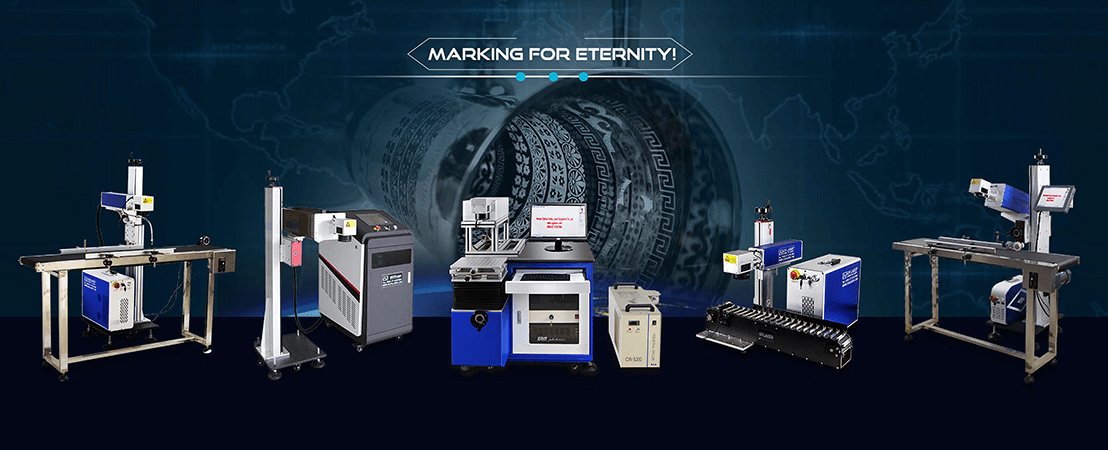
When I think about what kind of product could use a laser marking machine, my answer is broad but clear. Metal parts, plastic items, packaging, glass products, tools, electronics, and medical components can all benefit from laser marking when the right machine is matched to the right material. From Kirin Laser’s point of view, fiber, CO₂, and UV marking systems each solve different production problems. I see laser marking as more than a surface process. It supports traceability, branding, compliance, and product value. In the end, the right laser marking machine does not just mark a product. It helps make the product better, stronger, and easier to sell.
-
Explore how Fiber lasers provide sharp, permanent marks on metals, enhancing quality and efficiency in industries like automotive and aerospace. ↩
-
Learn why CO₂ lasers are ideal for engraving non-metal materials like wood and plastics, offering clean and precise results for various applications. ↩
-
Discover how UV lasers provide fine, controlled marking on delicate surfaces, making them perfect for medical and electronic components. ↩
-
Understand the significance of selecting the right laser machine for specific materials to improve workflow, quality control, and product durability. ↩
-
Understanding traceability helps in tracking product origin and ensuring quality, which is crucial for manufacturers and consumers alike. ↩
-
Branding through laser marking enhances product identity and market recognition, vital for businesses aiming to stand out. ↩
-
Discover how laser cleaning machines can efficiently remove rust, paint, and coatings, offering a non-abrasive solution for various industries. ↩
-
Learn about the precision and applications of UV laser marking machines, ideal for delicate and heat-sensitive materials like glass and medical plastics. ↩
-
Discover how a laser engraving machine can transform your business by enhancing product presentation, management, and sales. ↩
-
Understand the significance of transforming plain parts into traceable components for better quality assurance and traceability. ↩