Many people think building a high energy fiber laser requires huge budgets and complex research labs. I often hear this from buyers and distributors. They want strong laser power, but they worry about cost, reliability, and maintenance.
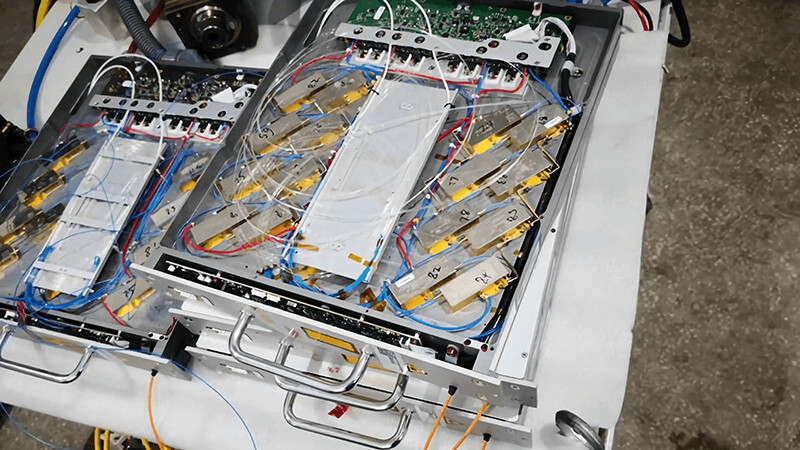
The cheapest way to build a high-energy fiber laser is not exotic technology. In my experience, it is using a simple MOPA architecture, standard pump diodes, and commercial optical fibers. This design powers most fiber laser marking machines today. It delivers strong output, stable performance, and affordable manufacturing costs.
When I speak with distributors or factory owners, they often imagine fiber lasers as mysterious technology. In reality, the modern fiber laser marking machine is already the most cost-efficient implementation of high-energy fiber laser technology. The design is mature. The supply chain is stable. And the results are very reliable.
So in this article, I will explain how fiber laser costs work. I will also share real numbers about 30W and 50W fiber laser sources. Finally, I will explain why fiber lasers have become the preferred solution compared with CO2 lasers in many industries.
How much does a fiber laser cost?
Many buyers assume fiber lasers are extremely expensive. I hear this concern often from distributors entering the laser market. The real problem is not just price. The real problem is understanding what actually drives the cost of a fiber laser system.
In reality, the cost of a fiber laser depends on power level, laser source brand, optical components, and machine configuration. Entry-level fiber laser marking machines usually range from $2,000 to $6,000, while higher power industrial systems can reach $10,000 or more depending on specifications and customization.
The first thing I always explain to new buyers is that a fiber laser system is not just a laser source. It is a complete machine. The total price depends on several key components.
Core Components That Affect Fiber Laser Cost
The following parts define the price of a fiber laser marking machine1:
| Component | Function | Cost Impact |
|---|---|---|
| Fiber Laser Source | Generates laser beam | Highest cost component |
| Galvo Scanning System | Controls beam movement | Medium cost |
| Control Software | Operates marking process | Low to medium |
| Work Platform | Supports material | Low |
| Cooling System | Maintains temperature | Medium |
From my experience at Kirin Laser, the laser source alone usually accounts for 40% to 60% of the total machine cost. This is why buyers often focus on the price of the laser source itself.
Why Fiber Lasers Became More Affordable
Ten years ago, fiber lasers were expensive. Today the situation is very different. The technology has matured, and the supply chain has expanded. Many component manufacturers now produce pump diodes, optical fibers, and optical isolators at large scale.
Because of this, fiber laser prices dropped significantly.
The MOPA (Master Oscillator Power Amplifier) design also plays a big role. It uses standard pump diodes and fiber amplifiers. This approach produces high energy output while keeping manufacturing costs under control.
A Real Story from a Customer
A few years ago, a small workshop contacted me. They believed building their own fiber laser would save money. They purchased pump diodes, optical fibers, and control electronics. Their plan sounded good on paper.
But reality was different.
After several months, they experienced unstable output power2. Some optical components burned out. Alignment became a constant problem. They spent more time fixing the system than using it.
Finally, they switched to a fiber laser marking machine instead.
What surprised them was the stability. The output power stayed consistent. There was almost no downtime. Maintenance costs were very low.
This experience confirmed something I often tell customers. The cheapest way to build a high-energy fiber laser is usually not DIY engineering. It is buying a well-designed industrial fiber laser marking machine.
What is the price of 50W fiber laser source?
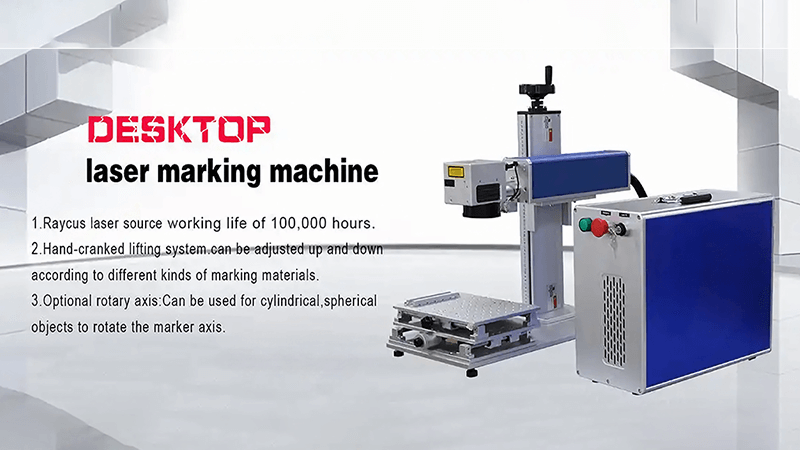
Many distributors ask me about the 50W fiber laser source because it offers strong performance and wide application flexibility. It is one of the most popular choices in industrial marking systems.
The price of a 50W fiber laser source typically ranges between $900 and $2,500 depending on the brand, pulse type, and stability level. Premium brands like IPG cost more, while reliable Chinese sources offer competitive performance at lower prices.
From my experience, the 50W laser source is often used in advanced fiber laser marking machines. It provides stronger marking depth and faster engraving speeds compared with lower power models.
Typical Price Range of 50W Laser Sources
Below is a general overview of the market pricing.
| Brand Type | Price Range | Notes |
|---|---|---|
| Premium international brands | $2000 – $2500 | Highest stability |
| Mid-range industrial brands | $1300 – $1800 | Good balance |
| Chinese OEM brands | $900 – $1300 | Best cost performance |
At Kirin Laser, many distributors prefer reliable Chinese laser sources3 because they provide strong performance and competitive pricing.
Why 50W Fiber Lasers Are Popular
There are several reasons why 50W fiber lasers dominate the industrial marking market.
1. Higher Engraving Speed
Higher power means faster processing time. This matters a lot for factories running high volume production lines.
2. Deeper Engraving Capability
A 50W fiber laser can engrave deeper marks on stainless steel, aluminum, and other metals. This is important for permanent industrial identification.
3. Wider Material Compatibility
50W systems4 can mark thicker metals and coated materials with higher efficiency.
Typical Applications of 50W Fiber Laser Machines
| Industry | Application |
|---|---|
| Automotive | VIN marking |
| Electronics | PCB engraving |
| Hardware tools | Metal logo marking |
| Jewelry | Deep engraving |
For distributors building product portfolios, a 50W fiber laser marking machine often becomes the flagship product.
What is the price of 30W fiber laser source?
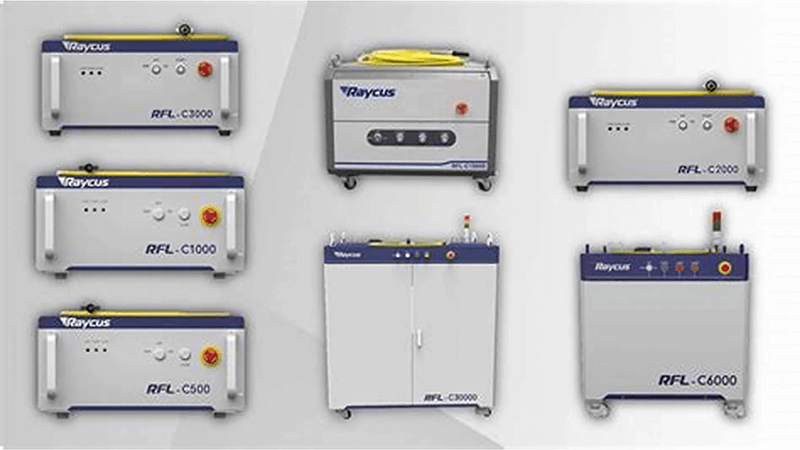
Many new distributors start with a 30W fiber laser because it offers a very good balance between cost and performance. It is one of the most widely used laser marking solutions in the market.
The typical price of a 30W fiber laser source ranges from $600 to $1,500 depending on the manufacturer, pulse control system, and beam quality. Many reliable OEM laser machines use 30W sources because they deliver stable performance at affordable cost.
From my perspective, the 30W fiber laser marking machine is often the best entry point for distributors or small manufacturers.
Price Structure of 30W Fiber Laser Sources
| Laser Source Type | Price Range | Typical Use |
|---|---|---|
| Entry level OEM | $600 – $900 | Standard marking |
| Industrial grade | $900 – $1200 | High stability |
| Premium international | $1200 – $1500 | Precision applications |
Many Kirin Laser partners choose industrial grade Chinese sources5 because they provide stable beam quality and long lifetime.
Why 30W Fiber Lasers Are So Popular
Several reasons explain the popularity of 30W fiber laser marking machines.
1. Balanced Power Output
30W provides enough power for most metal marking tasks. It can mark stainless steel, aluminum, brass, and coated metals easily.
2. Lower Machine Cost
Lower laser source cost reduces the overall price of the machine. This helps distributors stay competitive in the market.
3. High Reliability
Modern 30W fiber lasers often have lifetimes above 100,000 working hours6.
Best Applications for 30W Fiber Laser Marking Machines
| Industry | Example Use |
|---|---|
| Electronics | Serial number marking |
| Medical devices | Stainless steel marking |
| Tools | Logo engraving |
| Consumer goods | QR code marking |
For many distributors I work with, the 30W fiber laser marking machine becomes the best-selling product because it fits many applications.
Which is better, CO2 or fiber laser?
Many new buyers ask me whether they should choose a CO2 laser or a fiber laser. The answer depends on the material they want to process.
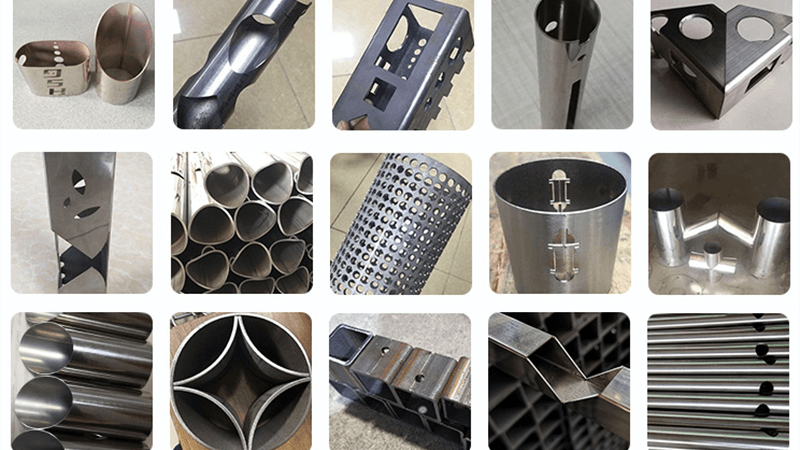
Fiber lasers are generally better for metal marking, while CO2 lasers are better for organic materials like wood, leather, and acrylic. In industrial metal processing, fiber lasers offer higher efficiency, lower maintenance, and longer lifetime.
At Kirin Laser, we help distributors choose the correct laser type based on their market.
Key Differences Between CO2 and Fiber Lasers
| Feature | Fiber Laser | CO2 Laser |
|---|---|---|
| Best Materials | Metals | Wood, plastic |
| Efficiency | High | Medium |
| Maintenance | Very low | Higher |
| Lifetime | ~100,000 hours | ~20,000 hours |
Why Fiber Lasers Dominate Metal Marking
1. Better Beam Quality
Fiber lasers produce a very small focused beam7. This allows precise and high contrast marking on metals.
2. Higher Electrical Efficiency
Fiber lasers convert electricity into laser energy more efficiently. This reduces energy consumption.
3. Lower Maintenance
Fiber lasers do not require mirrors or gas refills. This reduces maintenance work significantly.
When CO2 Lasers Still Make Sense
CO2 lasers remain useful for materials like wood, rubber, leather, glass, and acrylic8. Many packaging and craft industries still rely on them.
But for metal marking applications, the industry has largely moved toward fiber laser technology.
Conclusion
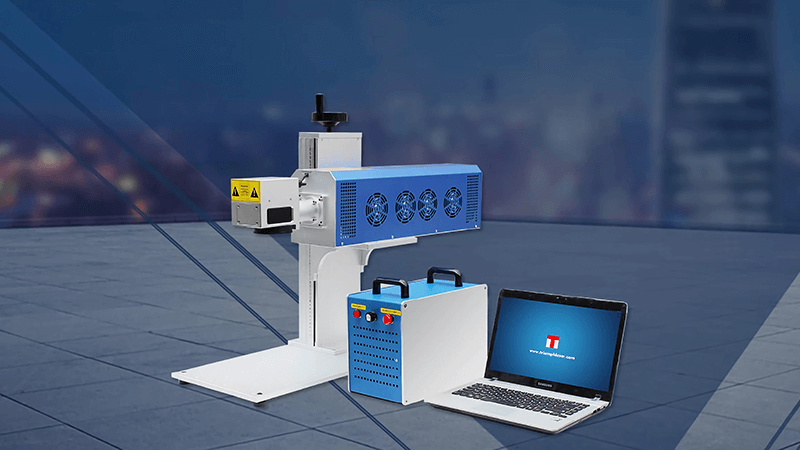
The cheapest way to build a high energy fiber laser is not developing complex experimental systems. The practical solution is using a mature MOPA fiber laser architecture combined with standard pump diodes and commercial fibers.
In real industrial environments, this design already powers modern fiber laser marking machines. These systems provide stable output, long lifetimes, and low maintenance costs.
From my experience at Kirin Laser, distributors and manufacturers benefit more from reliable laser machines than experimental DIY designs. A well-built 30W or 50W fiber laser marking machine offers strong performance, competitive pricing, and dependable operation for years.
-
Discover how fiber laser marking machines offer stability, consistent output, and low maintenance, making them a cost-effective choice over DIY solutions. ↩
-
Learning about unstable output power issues can help avoid common pitfalls in DIY fiber laser projects. ↩
-
Explore why many distributors prefer Chinese laser sources for their strong performance and competitive pricing, making them a popular choice. ↩
-
Explore how 50W systems enhance efficiency in marking thicker metals and coated materials, crucial for high-volume production and diverse applications. ↩
-
Explore why many partners prefer industrial grade Chinese sources for their stability and long lifetime, making them a popular choice in the industry. ↩
-
Discover the impressive lifespan of modern 30W fiber lasers, which often exceed 100,000 working hours, ensuring long-term reliability and efficiency. ↩
-
Understanding the beam quality of fiber lasers can help you appreciate their precision in metal marking, making them a preferred choice in the industry. ↩
-
Exploring the applications of CO2 lasers can reveal why they are still favored in certain industries, despite the rise of fiber lasers. ↩