CNC laser cutting machines are everywhere in modern metalworking. Many people wonder why these machines matter or how they differ from other tools. They promise speed, precision, and efficiency that older methods struggle to match.
A CNC laser cutting machine uses computer control to cut, engrave, or shape materials with a laser beam. These machines are precise, fast, and reliable, making them ideal for metals like stainless steel, aluminum, and other industrial materials. Fiber lasers add speed and accuracy that traditional methods cannot match.
I want to explain why these machines are game-changers for manufacturers and engineers alike. Understanding their purpose, differences, and uses can help you see why companies like Kirin Laser focus on fiber CNC lasers for industrial partners.
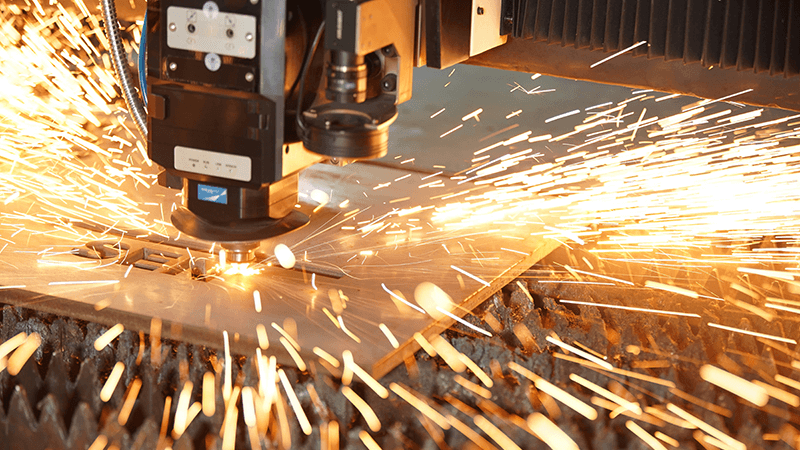
What does a CNC laser machine do?
CNC laser machines can look complex. Many engineers and shop owners see them and wonder what exactly they do. The machines combine lasers and computer control to perform tasks that once required multiple tools and setups. This makes them very appealing to anyone handling metal production.
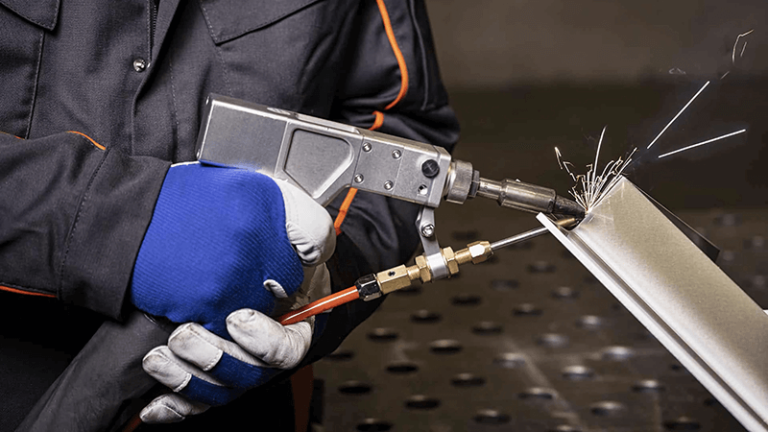
A CNC laser machine cuts, marks, engraves, or shapes metals and other materials using a focused laser beam guided by a computer. It can handle both simple and complex designs with consistent accuracy, replacing traditional cutting tools and reducing manual labor.
I have seen these machines change workflows dramatically. Once someone understands what a CNC laser does, it becomes clear why fiber lasers are preferred for modern manufacturing.
Precision Cutting
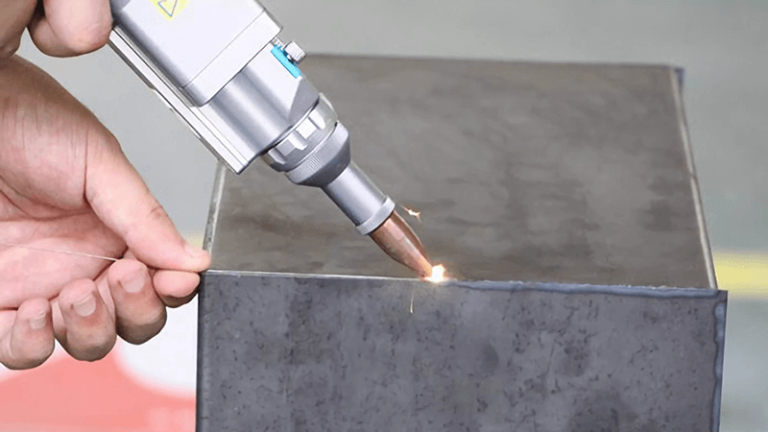
Fiber laser CNC machines produce extremely clean edges. They can cut thin sheets1 and thick plates without leaving burrs. This eliminates much of the post-processing work that used to slow production.
| Feature | Traditional Cutting | Fiber CNC Laser Cutting |
|---|---|---|
| Edge Quality | Rough, needs finishing | Smooth, no finishing needed |
| Cutting Speed | Moderate | High |
| Material Flexibility | Limited | Stainless steel, aluminum, alloys |
| Repeatability | Moderate | High |
Marking and Engraving
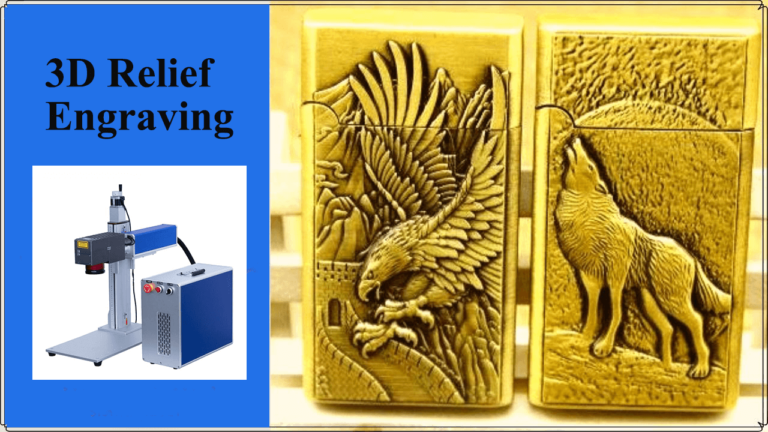
These machines are not just for cutting. They can engrave serial numbers, logos, or patterns on metal. The computer control ensures each mark is precise and identical across multiple parts.
My Story
I once worked with a metal fabrication shop struggling with slow cutting and rough edges on stainless steel. After introducing a fiber CNC laser cutting machine2, they could slice sheets faster, get perfect edges, and handle complex designs with ease. Watching their production speed double and scrap drop was a proud moment — it felt like giving them a precision tool that truly transformed their workflow.
What is the difference between CNC cutting and laser cutting?
People often confuse CNC cutting and laser cutting. The words sound similar, but the technologies are different. Understanding the distinction can help you choose the right machine for your production needs.
CNC cutting refers to computer-controlled cutting using tools like mills or routers, while laser cutting uses a focused light beam to slice materials. Laser cutting is faster, cleaner, and better for metals, while traditional CNC cutting is slower and better for plastics or wood.
This difference matters because choosing the wrong machine can slow production and increase waste. Fiber lasers3, like the ones Kirin Laser produces, combine the benefits of CNC precision with laser speed.
Comparison Table
| Aspect | CNC Milling/Router | Fiber Laser CNC Cutting |
|---|---|---|
| Cutting Method | Mechanical | Light beam |
| Speed | Moderate | High |
| Edge Finish | Rough to moderate | Smooth |
| Material Range | Wood, plastic, soft metals | Metals (steel, aluminum) |
| Precision | Good | Excellent |
Practical Implications
Laser CNC machines reduce cycle time significantly4. They also reduce energy use compared to mechanical cutting. You get consistent repeatable cuts with minimal operator intervention. In our experience at Kirin Laser, this is a major selling point for industrial partners seeking efficiency and quality.

Is CNC easy to learn?
Many people worry about learning CNC machines. They imagine complex programming or long training periods. The truth is that modern CNC laser machines are much easier than people expect.
Most CNC laser machines are user-friendly. Operators can learn basic functions quickly using pre-loaded software and simple programming. Advanced features require practice, but the learning curve is far shorter than older mechanical machines.
User-Friendly Interface
Kirin Laser designs machines with intuitive controls5. Touchscreens, preset programs, and automated calibration6 make the initial setup straightforward. Operators can focus on production rather than machine mechanics.
Training Approach
| Training Aspect | Traditional CNC | Fiber CNC Laser |
|---|---|---|
| Programming Complexity | High | Moderate |
| Operation Time | Long | Short |
| Software Integration | Manual | Automated |
| Error Rate | Higher | Lower |
Tips to Learn Fast
- Start with pre-loaded cutting templates.
- Practice small test cuts on scrap material.
- Understand safety measures for lasers.
- Gradually explore advanced designs and custom programs.
Even engineers with no prior experience can become proficient within a few weeks. The user-friendliness of fiber CNC lasers makes them ideal for factories wanting quick adoption.
What is a CNC cutting machine used for?
CNC cutting machines serve many industries. Some people think they are only for metal shops. In reality, they are versatile tools for manufacturing, prototyping, and even art.
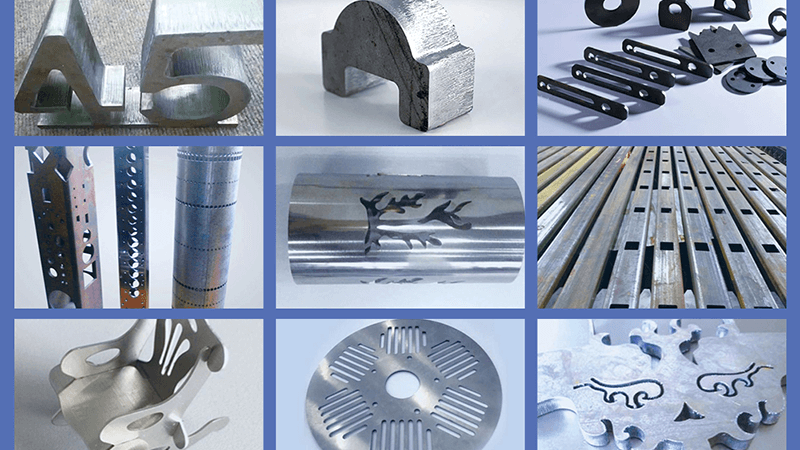
CNC cutting machines are used to cut and shape metals, plastics, and composites. Industries like automotive, aerospace, signage, and manufacturing rely on them for precision parts, decorative designs, and complex assemblies. Fiber laser machines excel with metals requiring clean, fast cuts.
Industrial Uses
CNC laser machines7 streamline mass production. They cut sheet metal parts quickly while maintaining repeatable quality. Automotive manufacturers, for instance, can produce panels and brackets without burrs or extra finishing.
Prototyping and Small Runs
Small businesses or engineering teams use CNC lasers for prototypes. They can test designs and make adjustments fast, saving time and reducing wasted material. Fiber lasers can handle thin and thick sheets alike, making them flexible for R&D.
| Industry | Application | Benefit |
|---|---|---|
| Automotive | Panels, brackets | Fast, repeatable cuts |
| Aerospace | Lightweight metal parts | High precision, low scrap |
| Signage | Letters, logos, patterns | Clean edges, detailed engraving |
| Industrial Equipment | Components, frames | Accurate, durable parts |
My Insight
At Kirin Laser, we provide fiber CNC laser machines tailored to these needs. Our machines can cut stainless steel, aluminum, and other alloys with high precision. They allow distributors, wholesalers, and industrial partners to offer cost-effective solutions8 while ensuring quality and reliability. The machines are a perfect fit for companies seeking to modernize production and improve efficiency.

Conclusion
CNC laser cutting machines are vital for modern manufacturing. Fiber lasers, like those from Kirin Laser, provide speed, precision, and clean cuts for metals. They reduce cycle time, energy use, and scrap, while making complex designs achievable. Operators can learn quickly, and industries ranging from automotive to signage benefit. I have seen firsthand how these machines transform workflows, improve quality, and make production more efficient and reliable.
-
Explore how fiber laser CNC machines enhance precision and efficiency in cutting thin sheets, reducing post-processing and improving production speed. ↩
-
Discover how fiber CNC laser machines enhance precision, speed, and versatility in cutting and engraving, revolutionizing modern manufacturing processes. ↩
-
Fiber lasers offer CNC precision and laser speed, making them ideal for efficient and high-quality industrial production. ↩
-
Laser CNC machines enhance production efficiency by minimizing cycle time, which is crucial for industries aiming to boost productivity. ↩
-
Discover how intuitive controls can enhance productivity and ease of use in CNC machines, making them accessible even for beginners. ↩
-
Learn how automated calibration can save time and reduce errors in CNC operations, leading to more efficient production processes. ↩
-
Discover how CNC laser machines can enhance production efficiency and quality, making them a valuable asset for various industries. ↩
-
Discover how cost-effective CNC laser solutions can enhance production efficiency and reduce operational costs for your business. ↩