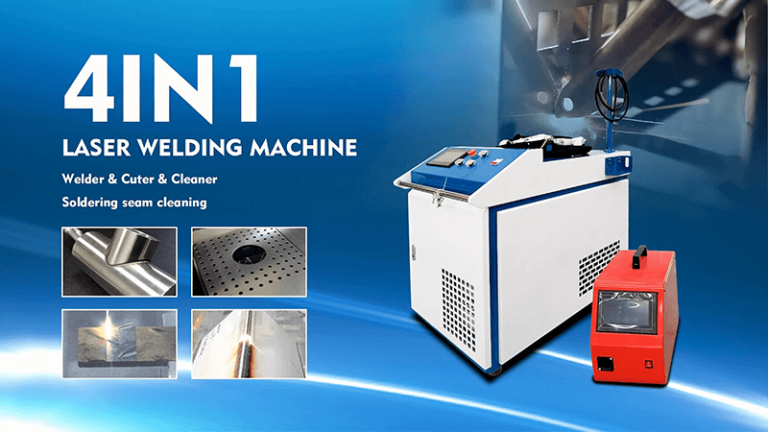
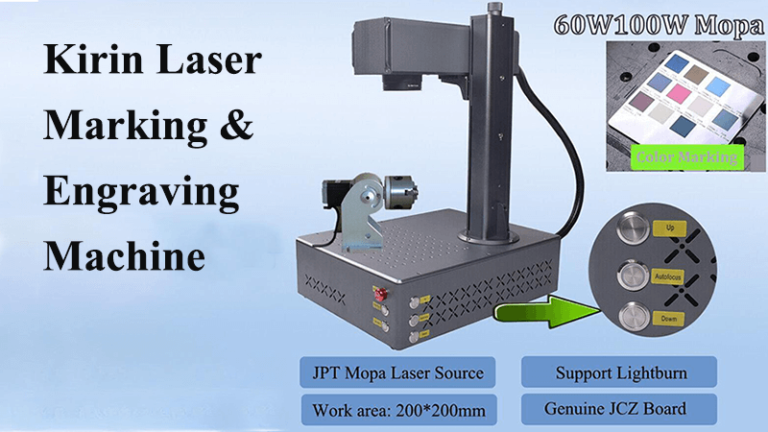
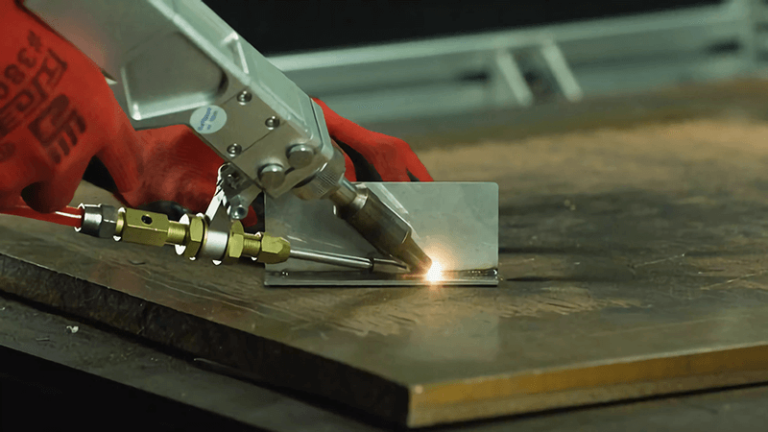
Many manufacturers struggle with slow cutting speeds, rough edges, and high labor costs when using traditional cutting tools. Plasma and mechanical cutters often leave marks that require extra grinding. This slows production and increases cost.
A laser cutting machine is a CNC-controlled system that uses a focused laser beam to melt, burn, or vaporize material to create highly precise cuts. In modern manufacturing, fiber laser cutting machines are widely used because they deliver fast cutting speeds, clean edges, and efficient energy use for metal processing.
When I speak with distributors and metal fabrication shops, I often notice the same pattern. Many businesses want better cutting quality and faster production. At Kirin Laser, we focus on providing fiber laser solutions that help manufacturers move from traditional cutting methods to high-precision laser technology.

What are laser cutting machines used for?
Manufacturers often face a simple problem. They need fast production, but they also need precision. Traditional cutting tools can handle thick materials, but they struggle to maintain clean edges on complex shapes.
Laser cutting machines are used to cut metal sheets, tubes, and components with high precision and speed. Industries such as automotive, aerospace, electronics, and metal fabrication rely on fiber laser cutting machines to process stainless steel, carbon steel, aluminum, and other metals with minimal post-processing.
Where Laser Cutting Machines Are Commonly Used
From my experience working with distributors and production workshops, the use of fiber laser cutting machines1 keeps expanding. Companies want machines that can produce precise parts quickly while reducing labor and material waste.
I remember a distributor who shared a story with me. His customers relied heavily on plasma cutters. The machines worked, but the edges were rough. Workers had to grind every part before it could move to the next step. When we introduced a fiber laser cutting machine from Kirin Laser, the change was immediate. The cuts were smooth. Grinding time almost disappeared. Production speed increased.
That moment reminded me why fiber laser technology is so important.
Major Industrial Applications
| Industry | Typical Use |
|---|---|
| Automotive | Body panels, brackets, structural parts |
| Metal fabrication | Sheet metal processing, custom parts |
| Electronics | Precision metal components |
| Construction | Steel frames, decorative panels |
| Machinery manufacturing | Machine housings and equipment parts |
Why Fiber Laser Cutting Is Preferred
Fiber laser cutting machines offer several advantages over traditional methods. They provide fast processing speeds, especially for thin metal sheets. They also create narrow kerf widths. This means less material waste and better accuracy.
Another benefit is automation. Modern fiber laser machines integrate with CNC systems. Operators can load CAD files and run production with minimal manual work. This reduces human error and improves consistency.
At Kirin Laser, we design machines with these real production needs in mind. Our customers are not just buying equipment. They are investing in faster production, better product quality, and stronger competitiveness in their markets.
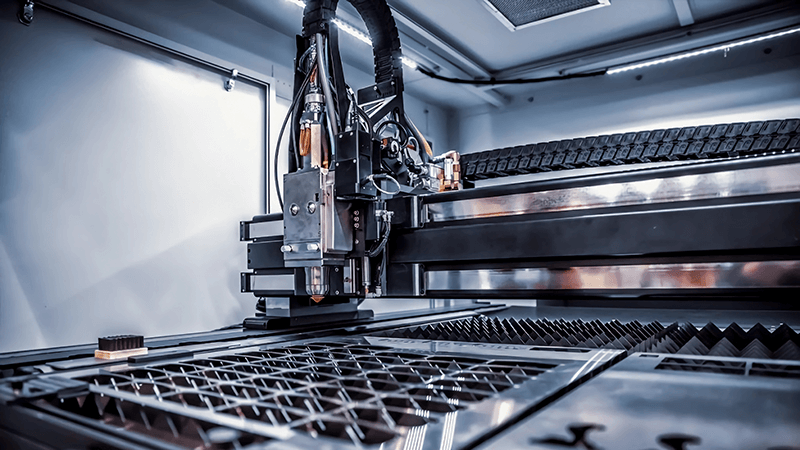
What are the disadvantages of laser cutting?
Many people talk about the advantages of laser cutting. That is understandable. The technology is powerful and efficient. But every manufacturing method has limitations. It is important to understand them before investing in equipment.
The main disadvantages of laser cutting include higher initial equipment cost, limitations with very thick materials, and sensitivity to reflective metals without proper configuration. Businesses must evaluate material thickness, production needs, and budget before choosing a laser cutting system.
Understanding the Limitations of Laser Cutting
When I speak with buyers and distributors, I always encourage honest conversations about machine capabilities. A fiber laser cutting machine2 is a powerful tool. But it is not a universal solution for every situation.
Common Limitations
| Limitation | Explanation |
|---|---|
| High initial investment | Laser machines cost more than basic plasma cutters |
| Thickness limits | Extremely thick metal may require plasma or waterjet |
| Reflective materials | Copper or brass require proper laser configuration |
| Operator training | Skilled operators are still needed for best results |
Cost Considerations
A fiber laser cutting machine usually costs more than a plasma cutting system at the beginning. Some small workshops hesitate because of this. But when we look at the long-term cost, the situation changes.
Fiber lasers consume less energy. They also require fewer consumables. In many factories, labor cost drops because there is less grinding and finishing work.
One distributor once told me something interesting. At first, his customer only compared machine prices. Later, they compared production cost per part. That is when they realized fiber laser cutting machines actually saved money over time.
Thickness Limitations
Laser cutting works extremely well for thin and medium metal sheets. Fiber lasers are especially fast when cutting stainless steel or carbon steel under several millimeters.
However, if the material becomes very thick, other cutting technologies may sometimes perform better. Plasma or waterjet cutting may still be used for extremely thick plates3.
At Kirin Laser, we help customers choose the right machine power. Selecting the correct laser source ensures the machine performs efficiently for the materials they plan to cut.

What cannot be cut with a laser cutter?
Laser cutting machines are powerful tools. But they cannot cut everything. Understanding material compatibility is important for safety and machine performance.
Laser cutters cannot safely process certain materials such as PVC, vinyl, and some composite plastics because they release harmful gases. Fiber laser cutting machines are mainly designed for metals like stainless steel, carbon steel, aluminum, brass, and copper.
Materials That Laser Cutters Should Avoid
In many discussions with new buyers, this question appears often. Some people assume a laser machine can cut any material. That is not true. Some materials create toxic fumes4 when exposed to laser heat.
Materials That Should Not Be Cut
| Material | Reason |
|---|---|
| PVC / Vinyl | Releases chlorine gas that damages machines |
| Polycarbonate | Can burn or melt poorly |
| Certain fiberglass | Produces harmful fumes |
| Coated materials with unknown chemicals | Safety risk |
Materials Ideal for Fiber Laser Cutting
Fiber laser cutting machines are optimized for metals. The wavelength of the fiber laser5 interacts very well with metallic surfaces. This allows fast energy absorption and efficient cutting.
Common Fiber Laser Materials
| Metal Type | Typical Use |
|---|---|
| Stainless steel | Kitchen equipment, machinery parts |
| Carbon steel | Structural parts and industrial frames |
| Aluminum | Automotive and aerospace components |
| Brass | Decorative parts and electrical components |
| Copper | Electrical and conductive parts |
From my experience, stainless steel is one of the most common materials customers process. The edge quality from fiber laser cutting is extremely smooth. In many cases, parts can move directly to welding or assembly without grinding.
That level of efficiency is one reason many manufacturers switch from traditional cutting technologies to fiber laser systems.
At Kirin Laser, we always ask customers about their materials first. Understanding their production needs helps us recommend the right machine configuration.

Is a laser cutting machine a CNC machine?
Many people ask this question when they first explore laser equipment. They see a large machine with a laser head and metal sheets. But the real intelligence of the machine is inside its control system.
Yes, a laser cutting machine is a type of CNC machine. It uses computer numerical control (CNC) software to guide the laser beam along programmed paths, allowing the machine to cut complex shapes automatically with high accuracy and repeatability.
How CNC Control Works in Laser Cutting
CNC stands for Computer Numerical Control. It means the machine follows digital instructions generated from design files. Engineers create designs in CAD software. These designs convert into machine instructions.
The laser cutting machine then follows those instructions step by step.
Basic CNC Workflow
| Step | Description |
|---|---|
| Design | Engineers create a CAD drawing |
| Programming | CAM software converts design to cutting paths |
| Machine control | CNC system guides laser head movement |
| Cutting process | Laser beam melts or vaporizes the metal |
Why CNC Integration Matters
Without CNC control, laser cutting would be impossible for complex shapes. The CNC system6 ensures precise positioning of the laser head. It also manages speed, power, and cutting paths.
This automation improves both accuracy and productivity.
In modern factories, CNC laser machines can run continuously with minimal operator intervention. Operators mainly monitor production, load materials, and remove finished parts.
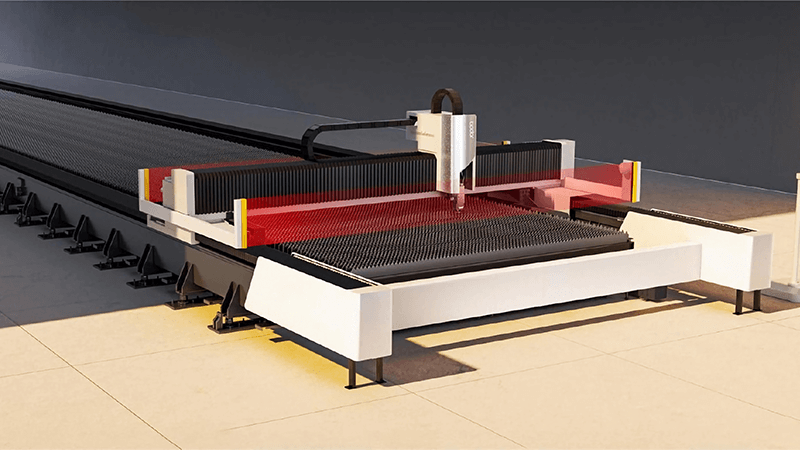
At Kirin Laser, we build our fiber laser cutting machines7 around reliable CNC systems. Stability and control precision are critical. A powerful laser source alone is not enough. The entire system must work together.
That is why many distributors choose OEM partners who understand both laser technology and CNC automation.
Conclusion
A fiber laser cutting machine is one of the most important tools in modern metal fabrication. It combines a high-power laser beam with CNC automation to cut metal quickly and precisely. Compared with traditional cutting methods, fiber lasers offer faster speeds, cleaner edges, and lower long-term operating costs.
From my experience at Kirin Laser, the biggest value is not only the technology itself. It is the impact on real production. Manufacturers reduce grinding, increase efficiency, and deliver better products to their customers. For distributors and industrial partners, fiber laser cutting machines create new opportunities for growth in the global manufacturing market.
-
Discover how fiber laser cutting machines can enhance production efficiency, reduce waste, and improve product quality, making them a valuable investment. ↩
-
Discover how fiber laser cutting machines can save costs over time and improve efficiency in metal cutting processes. ↩
-
Explore this link to understand why plasma or waterjet cutting might be more effective than laser cutting for very thick metal plates. ↩
-
Understanding which materials produce toxic fumes is crucial for safety and maintaining the integrity of your laser cutting equipment. ↩
-
Understanding the wavelength interaction helps in choosing the right laser for efficient metal cutting, ensuring optimal performance and quality results. ↩
-
Understanding the CNC system's role in laser cutting can help you appreciate how it enhances precision and efficiency in manufacturing processes. ↩
-
Exploring how fiber laser cutting machines operate will provide insights into their advantages and applications in modern manufacturing. ↩