Laser engravers look simple from the outside, and that is why many buyers get misled at the start. I often see people assume one machine can mark everything well. That mistake costs time, money, and customer trust.
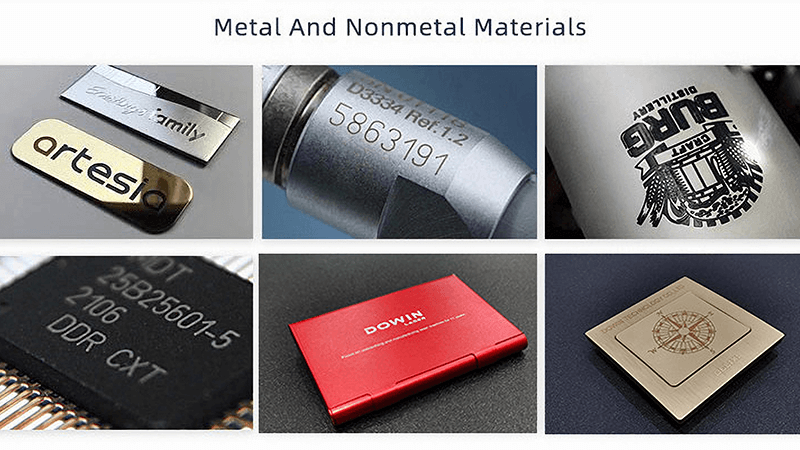
People use laser engravers for product marking, branding, traceability, decoration, personalization, and compliance. In real business use, fiber laser engravers are best for metal marking, while CO2 laser machines are better for wood, acrylic, leather, paper, and many packaging materials. The right machine depends on the material and the goal.
When I talk with distributors, wholesalers, and factory buyers, I rarely start with machine power alone. I start with use cases. I ask what they want to mark, what material they handle, and what result they need every day. At Kirin Laser, I have learned that the real value of a laser engraver is not just in making a mark. It is in helping customers control quality, build a brand, reduce returns, and make production more stable.
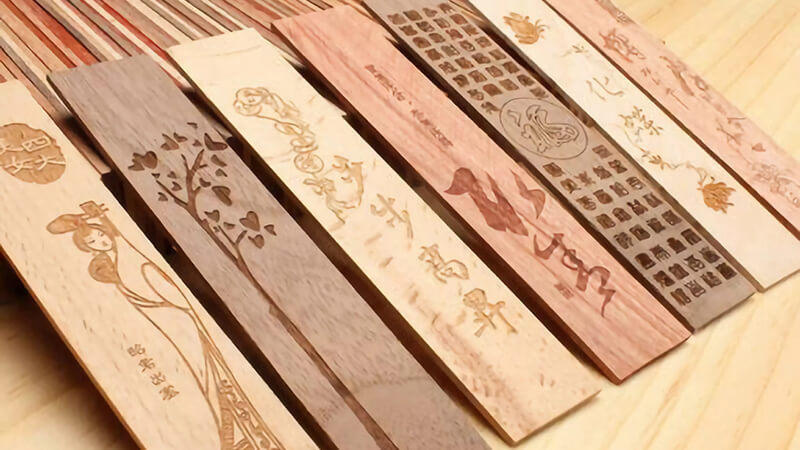
What do you use a laser engraver for?
Many buyers think laser engraving is only for decorative work. That view is too narrow. I have seen laser engravers become a key tool in production lines, workshops, gift businesses, and industrial factories because they solve practical problems fast.
I use a laser engraver to mark parts, add logos, create serial numbers, engrave barcodes and QR codes, personalize products, and improve product traceability. In industrial work, a fiber laser engraver is ideal for metals like stainless steel, aluminum, brass, and coated surfaces, while a CO2 laser machine is widely used for wood, acrylic, leather, glass coating, rubber, carton, and packaging-related materials.
I see two very different business needs
When I speak from the Kirin Laser point of view, I divide this question into two parts. The first part is industrial use. The second part is commercial and creative use. Both matter, but they require different machine choices.
Fiber laser use in industrial production
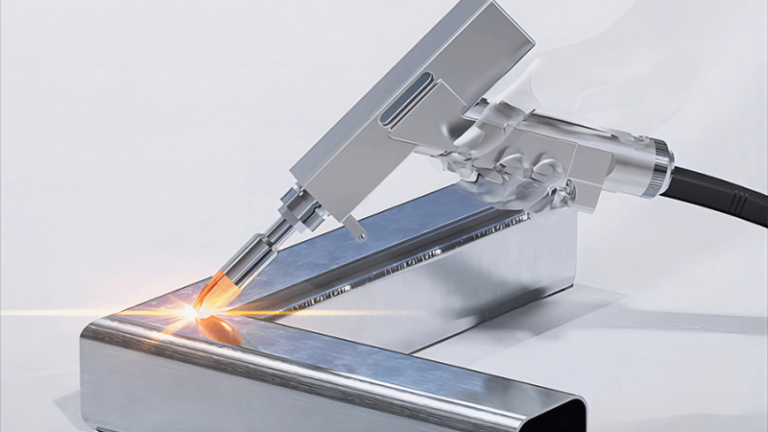
I see fiber laser engraving machines1 used most often for metal marking. This includes stainless steel nameplates, machine parts, tools, medical parts, auto parts, electronic housings, and hardware. Buyers use them for:
- Serial numbers
- VIN codes
- Date codes
- Batch codes
- Logos
- QR codes
- Barcodes
- Compliance marks
- Permanent traceability marks
This matters because many industries cannot rely on stickers or ink anymore. Labels can fall off. Ink can fade. A laser mark stays on the part. That makes after-sales service easier. It also helps with warranty claims and factory record control.
CO2 laser use in commercial and packaging work
CO2 laser engraving machines2 serve a different need. I see them used for wood signs, acrylic displays, gift boxes, leather patches, packaging samples, stamps, and branded items. In many cases, the buyer is not only selling a product. The buyer is selling presentation. That changes the role of the machine.
A CO2 machine helps users add premium detail to non-metal items. It can turn simple packaging into branded packaging. It can turn plain wood into a retail product. It can turn acrylic into signage and display pieces.
The real goal is often not “engraving”
This is one point I always stress. In real production, the goal is often not engraving itself. The goal is something behind it.
| Real Business Goal | What the Laser Actually Does | Best Machine Type |
|---|---|---|
| Product traceability | Adds serial numbers, lot codes, QR codes | Fiber laser |
| Brand visibility | Engraves logos and product identity | Fiber or CO2, based on material |
| Compliance | Creates permanent marks for standards and inspection | Fiber laser |
| Packaging value | Adds brand detail to boxes, tags, and wood or acrylic packaging | CO2 laser |
| Customization | Personalizes products for retail or gifts | CO2 or fiber, based on material |
| Lower return rate | Uses the correct machine for the correct material | Fiber for metal, CO2 for non-metal |
I remember one distributor I worked with who believed one machine could cover all materials. His clients kept complaining. Metal marks looked weak. Wood edges burned too much. The problem was not the market. The problem was the machine choice. We helped him separate his offer into fiber for metals and CO2 for non-metals. After that, returns dropped. Customer trust improved. His sales went up because his offer finally matched real use.
That is why I never answer this question with one short sentence. People use laser engravers for many things, yes. But from my side, the better answer is this: people use laser engravers to solve material-specific production problems with speed, precision, and repeatability.
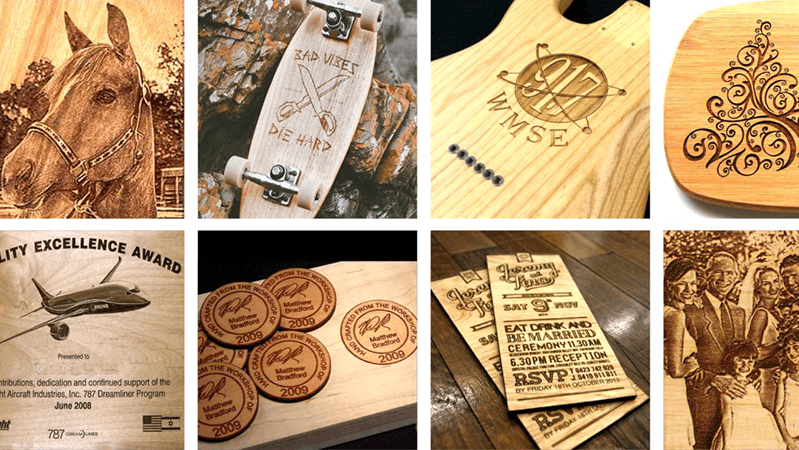
What are the best selling laser engraved items?
Many new buyers think the best selling items are always gift products. That can be true in some markets, but it is not the full picture. I have seen the strongest sales come from items that combine high demand, repeat orders, and clear business value.
The best selling laser engraved items usually include metal business tags, tools, tumblers, jewelry, signs, promotional gifts, wood crafts, acrylic displays, branded packaging, leather patches, and machine nameplates. Fiber laser machines sell well for metal products and industrial marking jobs, while CO2 machines support strong demand in gifts, décor, packaging, and display products.
I look at best sellers in two layers
At Kirin Laser, I do not only look at what is trendy online. I look at what keeps reordering. That is the difference between a hobby product and a stable business product.
Best selling fiber laser engraved items
Fiber laser machines3 perform best where metal marking is needed. The best sellers I often see include:
- Stainless steel tumblers and cups
- Metal business cards
- Dog tags and ID tags
- Tools with logos
- Hardware parts with serial numbers
- Nameplates
- Electronic component labels
- Jewelry on gold, silver, and stainless steel
- Gun part marking where legal and compliant in the local market
- Industrial spare parts with traceability marks
These products sell because the mark is permanent, clean, and professional. Many buyers also like that fiber laser marking reduces the need for consumables. That makes the cost structure easier to manage over time.
Best selling CO2 laser engraved items
CO2 laser machines4 shine in a wider retail and design market. I often see good demand for:
- Wooden signs
- Wedding décor
- Acrylic keychains
- Acrylic display stands
- Leather wallets and patches
- Gift boxes
- Packaging mockups
- Rubber stamps
- Holiday ornaments
- Custom phone stand products
- Branded menu boards
- Craft items for online stores
These items sell well because they mix function and presentation. They are not only useful. They also look custom and premium.
Best sellers depend on business model
This is where many buyers get it wrong. They ask, “What is the best selling engraved item?” I think the better question is, “What can I sell again and again with my customer base?”
| Business Model | Best Selling Engraved Items | Better Machine Choice |
|---|---|---|
| Industrial supplier | Nameplates, machine parts, serial tags, compliance plates | Fiber laser |
| Promotional goods distributor | Metal tags, cups, logo tools, branded accessories | Fiber laser |
| Gift and craft seller | Wood décor, acrylic gifts, ornaments, keepsakes | CO2 laser |
| Packaging supplier | Wooden boxes, branded packaging, carton samples, leather tags | CO2 laser |
| Jewelry business | Rings, bracelets, pendants, metal tags | Fiber laser |
| Signage and display maker | Acrylic signs, wood signs, display pieces | CO2 laser |
I always tell buyers to avoid copying online trends without checking material fit and margin. A product may look popular on social media, but that does not mean it fits the machine they want to buy. It also does not mean it suits their market.
In my experience, the best selling laser engraved items are the ones that are easy to repeat, easy to price, and hard for end users to replace with cheap stickers or printing. That is why industrial marking stays strong. That is also why branded packaging and acrylic display work remain attractive.
At Kirin Laser, I see the best results when distributors build a product strategy around material reality. Fiber laser brings stable value in metal marking. CO2 brings range and creative flexibility in non-metal work. When buyers understand that split, they stop chasing random products and start building repeat business.
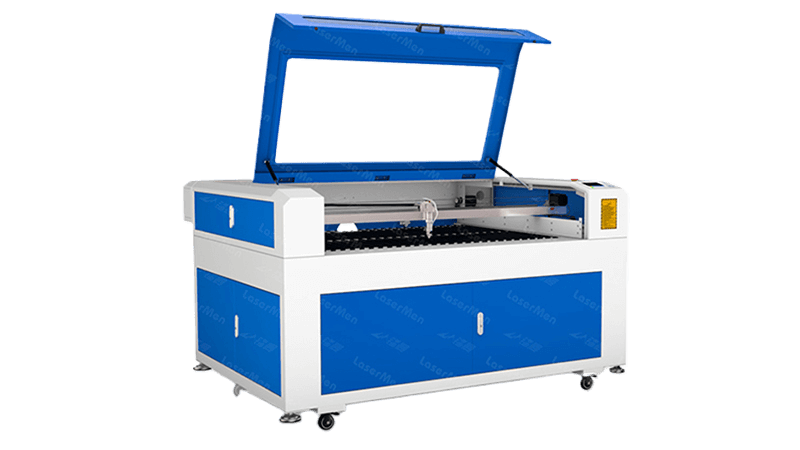
What should you not laser engrave?
This is one of the most important questions, and I wish more buyers asked it early. A laser machine is powerful, but it is not made for every material. When users ignore material limits, they risk poor results, machine damage, toxic fumes, and unhappy customers.
You should not laser engrave unknown plastics, PVC, vinyl, some coated or chemically treated materials, and any material that produces toxic fumes or dangerous reactions under laser heat. You should also avoid using a fiber laser on materials better suited for CO2, or using a CO2 machine for tasks that require strong metal marking. The wrong machine-material match leads to weak marks, burns, or unsafe operation.
I treat this as both a safety issue and a business issue
A lot of people answer this question only from a safety angle. Safety matters, of course. But from my side, there is also a business angle. If a distributor recommends the wrong machine for the wrong material, the buyer may not get injured, but the buyer will still lose money.
Materials that create risk
I always advise users not to laser unknown materials without testing and confirming what they are. This is especially true for plastics. Some plastics release harmful gases. PVC and vinyl are common examples people talk about for good reason. These can create corrosive and toxic fumes5. That is bad for the operator and bad for the machine.
Some coated materials also create trouble. A coating may react very differently from the base material. Some glues, paints, and laminates can burn badly, smell strongly, or leave dirty results.
Materials that give poor results
There is another category that people forget. Some materials are not dangerous, but they are still a bad match for the selected machine.
For example, I have seen users try to push a CO2 machine into serious metal engraving6 work. The result is disappointment. The mark is weak or not practical. On the other side, I have seen buyers try to use a fiber laser for wood gift work7 and expect the same visual result a CO2 machine can deliver. That also creates problems.
| Material or Situation | Why It Should Be Avoided | Better Action |
|---|---|---|
| PVC and vinyl | Can release harmful and corrosive fumes | Do not process with laser |
| Unknown plastics | Unclear reaction and possible toxic smoke | Identify material first |
| Some laminated materials | Can burn unevenly or produce poor finish | Test first or avoid |
| Some painted or coated surfaces | Coating may react badly | Confirm coating compatibility |
| Metal on CO2 for deep industrial marking | Often poor result for serious marking needs | Use fiber laser |
| Wood or acrylic jobs on fiber laser | Usually not the right visual result or process | Use CO2 laser |
| Reflective or tricky surfaces without setup | Can reduce quality and consistency | Use proper settings and testing |
“Can it mark?” is not the right standard
I often say this to buyers: the question is not only whether a machine can leave any mark. The question is whether it can do the job safely, cleanly, and profitably.
I remember cases where a buyer tested random samples just to see if the machine could make a visible effect. That is not enough. A sample result under rushed conditions does not tell you if the process is stable for repeat orders. It also does not tell you if the smoke is safe, if the finish is acceptable, or if the mark will last.
At Kirin Laser, I prefer a more careful approach. I want the material list to be clear. I want the application to be clear. I want the buyer to understand the difference between fiber and CO2 before making claims to end customers. That is how we protect product quality and long-term trust.
So when I answer what you should not laser engrave, I do not stop at one list of dangerous materials. I also include a warning against forcing the wrong machine into the wrong job. That mistake causes just as much damage in business terms.
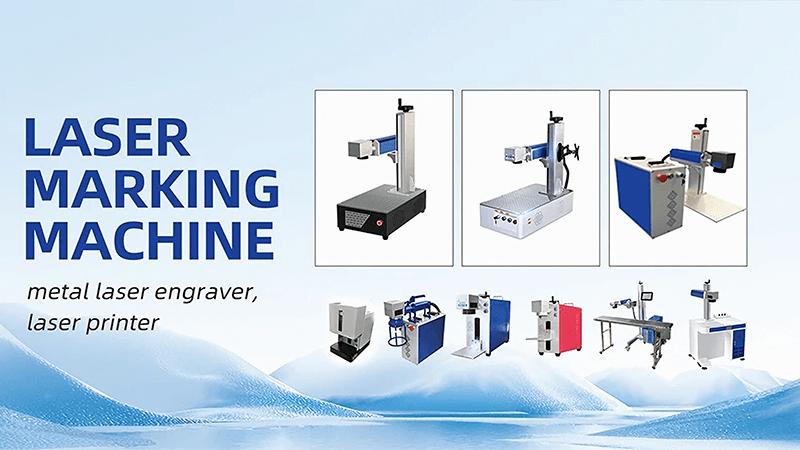
Can a beginner use a laser engraver?
A lot of people worry that laser engraving is too technical for a beginner. I understand that fear. The machine looks advanced. The settings seem confusing at first. The material choice adds more pressure. Still, I believe beginners can absolutely use a laser engraver if they start with the right machine, the right material focus, and the right support.
Yes, a beginner can use a laser engraver, but only if the beginner learns material basics, safety rules, and machine settings step by step. The key is not trying to do everything at once. A beginner gets better results faster when they know whether they need a fiber laser for metal marking or a CO2 laser for non-metal engraving and cutting.
I believe beginners fail from confusion, not from lack of ability
When I see a beginner struggle, it is usually not because laser technology is impossible to learn. It is because the beginner gets mixed messages. Someone online says one machine does all jobs. Another person says power solves everything. Then the beginner buys with the wrong expectation.
Beginners need a narrow starting point
I think the fastest path for a beginner is to define three things first:
- What material will I process most often?
- What result do I need: marking, engraving, cutting, or branding?
- Am I serving industrial clients or retail-style product customers?
Once these answers are clear, machine choice gets easier.
If the beginner wants to mark metal logos, serial numbers, and codes, I point them to fiber laser engraving machines8. If the beginner wants to work on wood signs, acrylic gifts, and packaging materials, I point them to CO2 laser machines9.
The wrong start creates most beginner complaints
This goes back to the story I shared. I once worked with a distributor who thought one machine could cover all materials. His clients complained because the results were inconsistent. The issue was not that the users were beginners. The issue was that the machine did not fit the job.
Once we helped him split the solution into fiber for metals and CO2 for non-metals, things changed fast. Returns dropped. Complaints dropped. Sales improved. That taught me a simple lesson: beginners do better when the path is simple and the machine role is clear.
What a beginner must learn first
| Beginner Priority | Why It Matters | My Advice |
|---|---|---|
| Material type | It decides machine choice | Separate metal and non-metal needs first |
| Safety basics | It protects the user and machine | Learn ventilation, protective steps, and material limits |
| Parameter testing | It improves result quality | Start with sample tests before production |
| Application goal | It affects speed and finish | Know if the goal is marking, engraving, or cutting |
| After-sales support | It reduces mistakes | Choose a supplier that offers training and guidance |
| Simple workflow | It builds confidence | Start with one product line, not ten |
I always tell beginners that they do not need to master every material in week one. They need repeatable success on a few materials first. That is enough to build skill and business confidence.
At Kirin Laser, I believe a beginner can succeed when the supplier does more than ship a machine. The supplier should help the buyer match the correct equipment to the target market. That includes OEM needs, local branding goals, and practical training support. In my view, that support matters just as much as the hardware.
A beginner can use a laser engraver. I have seen it many times. But the beginner should not start with a fantasy that one setup solves every problem. The best start is focused, material-specific, and realistic.
Conclusion
I believe people use laser engravers for much more than decoration. They use them for branding, traceability, compliance, product value, and repeatable production. From my view at Kirin Laser, the key is not just buying a machine. The key is choosing the right machine for the right material. Fiber laser engraving machines lead in metal marking. CO2 laser machines stay strong in wood, acrylic, leather, and packaging work. I have seen buyers struggle when they ignore that split, and I have seen them grow fast once they accept it. That is why I always come back to the same point: good laser business starts with clear material logic, not guesswork.
-
Fiber laser engraving machines are essential for metal marking, offering permanent solutions for traceability and compliance in various industries. ↩
-
CO2 laser machines add premium detail to non-metal items, transforming simple materials into branded, high-value products. ↩
-
Fiber laser machines are essential for metal marking, offering permanent and professional results. Discover why they are a top choice for industrial applications. ↩
-
CO2 laser machines excel in creating custom and premium-looking items. Learn how they cater to a wide range of creative and retail needs. ↩
-
Learning about the effects of corrosive and toxic fumes can help operators take necessary precautions to protect their health. ↩
-
Understanding the limitations of CO2 machines in metal engraving can guide users to choose the right equipment for their needs. ↩
-
Knowing why fiber lasers are not suitable for wood can help users achieve the desired visual results with the right machine. ↩
-
Understanding the advantages of fiber laser engraving machines can help beginners make informed decisions when working with metal materials. ↩
-
Exploring how CO2 laser machines function with non-metal materials can guide beginners in choosing the right equipment for their projects. ↩