Many fabrication shops struggle with slow welding speed, skilled labor shortages, and inconsistent weld quality. I see this problem often when shops rely only on traditional TIG welding. The process works, but it limits productivity and creates more rework than many managers expect.
Yes, portable laser welders work extremely well for modern fabrication. They deliver faster welding speeds, cleaner seams, and lower heat distortion compared with TIG welding. Many operators can learn the basics in just a few hours, which helps shops increase productivity without years of training.
Portable laser welding technology has changed how many shops approach metal fabrication. I have worked with distributors, welding shops, and industrial buyers for many years. I often see the same questions appear again and again. People want to know if the technology works, if beginners can use it, and whether the investment makes sense.
In this article, I will share my experience from working with welding shops and global distributors through Kirin Laser. I will also explain how portable laser welding machines work and what buyers should really pay attention to before purchasing one.

Do Portable Laser Welders Work?
Many shop owners hesitate when they first hear about handheld laser welding. They wonder if it can really replace TIG or MIG welding. The concern usually comes from unfamiliar technology and fear of unreliable results.
Yes, portable laser welders work extremely well for many metal fabrication tasks. They provide faster welding speeds, minimal heat distortion, and clean weld seams. For materials like stainless steel, carbon steel, and aluminum, laser welding often improves both productivity and weld appearance.
Understanding How Portable Laser Welding Works
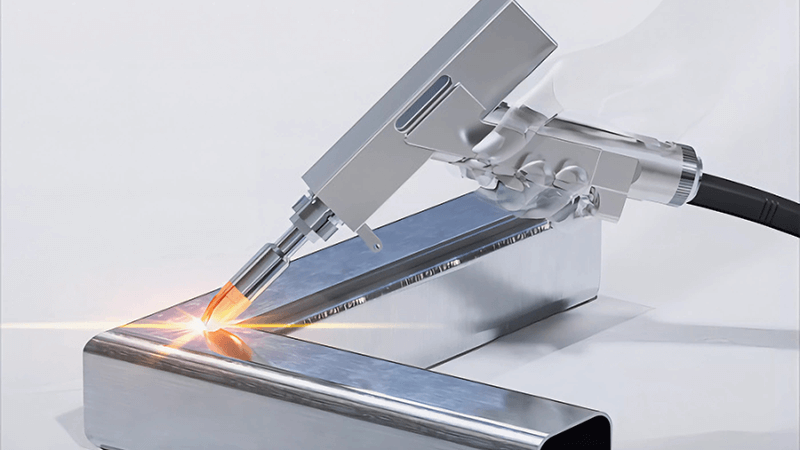
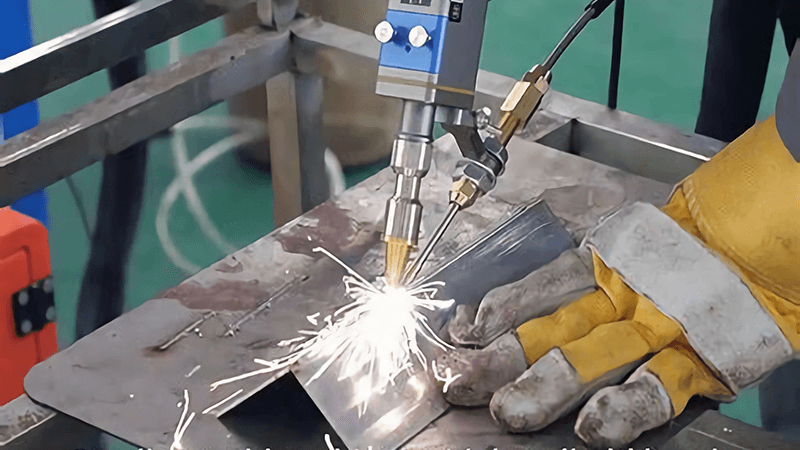
Portable laser welders use a fiber laser source1 to generate a high-energy beam. The beam melts the metal at a very small point. Because the energy is focused, the heat affected zone stays small.
This leads to several key advantages.
| Feature | TIG Welding | Portable Laser Welding |
|---|---|---|
| Welding Speed | Slow | 2–5x Faster |
| Heat Distortion | High | Very Low |
| Weld Appearance | Needs finishing | Clean seam |
| Skill Requirement | High | Moderate |
| Post Processing | Often required | Usually minimal |
Why Fabrication Shops Switch to Laser Welding
I have worked with many welding shops that faced the same problems. Their TIG welders were skilled, but production was slow. Thin materials often warped during welding. Rework increased costs.
One customer story stands out.
A fabrication shop worked mainly with thin stainless steel products2. Their TIG welding process created visible distortion. The weld seams required grinding and polishing. Their operators were skilled, but production speed remained low.
They decided to try a portable fiber laser welding machine.
The result surprised them. Their team learned basic operation in one day. The weld seam became smoother. Distortion dropped significantly. Production speed almost doubled.
This experience is very common. Once shops switch to laser welding, they quickly see the difference.
Where Portable Laser Welding Works Best
Portable laser welders perform especially well in these industries:
- Stainless steel fabrication
- Kitchen equipment manufacturing
- Sheet metal fabrication
- Automotive components
- Metal furniture production
- Elevator and decoration panels
From my experience at Kirin Laser, these industries see the fastest return after adopting laser welding technology.

Can a Beginner Use a Laser Welder?
Many people assume laser welding requires advanced technical skills. This belief often comes from the idea that lasers are complex machines.
In reality, handheld laser welders are designed for simplicity.
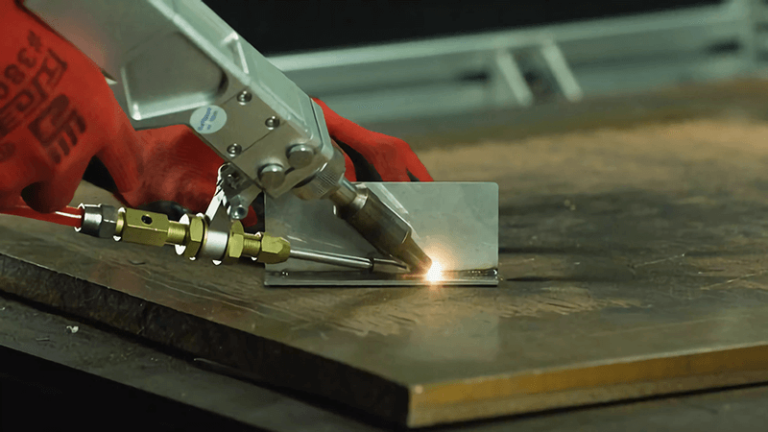
Yes, beginners can use a laser welder after short training. Most operators learn basic welding techniques within a few hours because the handheld laser welding gun works similarly to a simple welding torch but requires much less manual skill.
Why Laser Welding Is Easier to Learn
Traditional welding requires years of practice. TIG welding especially demands precise hand control. The welder must coordinate filler wire, torch angle, and current.
Laser welding simplifies this process.
The laser beam remains stable and concentrated. The operator mainly focuses on moving the welding head smoothly.
This reduces the learning curve.
Operator Skill Comparison
| Skill Factor | TIG Welding | Laser Welding |
|---|---|---|
| Training Time | Months or Years | Hours or Days |
| Hand Stability | Critical | Less Critical |
| Weld Consistency | Operator dependent | Machine controlled |
| Learning Difficulty | High | Moderate |
What Training Usually Looks Like
When customers buy a portable laser welder from Kirin Laser3, we usually provide simple training steps.
The process normally includes:
- Machine setup
- Safety guidelines
- Parameter adjustment
- Basic welding practice
- Maintenance overview
Most operators can perform basic welds after several hours.
Of course, practice still improves results. However, the barrier to entry is much lower than traditional welding methods.
Safety Is Still Important
Even though laser welding is easier to learn, safety training remains essential.
Operators should always use:
- Laser safety glasses
- Protective gloves
- Proper ventilation
- Correct machine settings
At Kirin Laser, we design our handheld welding machines with multiple safety systems. These include laser protection sensors and emergency stop systems4.
This helps beginners operate the machine safely.
Are Laser Welders Worth Buying?
Cost is one of the first questions buyers ask. Portable laser welders usually cost more upfront than traditional welding machines.
This raises an important question.
Yes, laser welders are worth buying for many fabrication businesses because they increase productivity, reduce labor costs, and improve weld quality. Over time, these benefits often offset the initial investment.
Understanding the Real Cost of Welding
Many businesses focus only on machine price. But welding cost includes many other factors.
| Cost Factor | Traditional Welding | Laser Welding |
|---|---|---|
| Labor Time | High | Lower |
| Rework | Frequent | Minimal |
| Grinding & Finishing | Required | Often unnecessary |
| Training Cost | High | Lower |
| Production Speed | Slower | Much faster |
When these factors combine, laser welding5 often becomes more economical.
Productivity Is the Biggest Advantage
The most obvious benefit is speed.
Laser welding can be 2–5 times faster than TIG welding. This means shops can complete more orders without increasing staff.
For distributors and manufacturers, this translates into higher output and better profit margins.
Labor Shortage Makes Laser Welding More Valuable
Many industries face a shortage of skilled welders6.
Training a TIG welder can take years. In contrast, laser welding operators can become productive much faster.
This reduces dependence on highly specialized labor.
From My Experience at Kirin Laser
At Kirin Laser, we work with distributors and industrial partners around the world.
Many buyers initially hesitate because of the machine price. But after several months of use, they often report three major improvements:
- Faster production
- Lower rework rates
- Easier operator training
For many fabrication businesses, these benefits justify the investment.
What to Look for in a Portable Welder?
Not all portable laser welders are the same. Buyers often compare machines based only on price. This can lead to problems later.
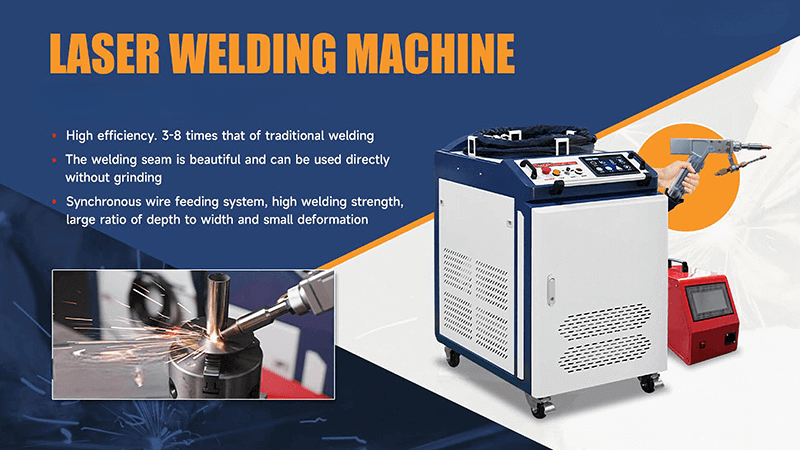
When choosing a portable laser welder, buyers should evaluate the laser source, cooling system, welding head quality, technical support, and supplier reliability. These factors determine long-term performance and reliability.
Key Components of a Good Portable Laser Welder
Several components directly influence machine quality.
Fiber Laser Source
The laser source is the core of the machine.
Reliable brands provide:
- Stable power output
- Long service life
- Consistent beam quality
Many professional machines use sources from companies like Raycus, Max, or IPG7.
Welding Head Design
A good welding head improves usability.
Important features include:
- Lightweight design
- Stable optics
- Wire feeding compatibility
- Ergonomic grip
A comfortable welding gun8 helps operators maintain steady movement during long shifts.
Cooling System
Laser welding generates heat. The machine must maintain stable temperature.
High quality systems use:
- Industrial water chillers
- Temperature monitoring
- Reliable circulation pumps
Stable cooling improves machine lifespan.
Supplier Support Matters
Machine quality alone is not enough. Technical support also matters.
Many distributors and importers worry about:
- Spare parts availability
- Training support
- Remote troubleshooting
- Warranty service
At Kirin Laser, we focus strongly on long-term partnerships with distributors. Our goal is not just selling machines. We also support partners with:
- OEM customization
- technical training
- spare parts supply
- marketing support
This approach helps distributors build stable businesses in their markets.
Questions Buyers Should Ask
Before purchasing a portable laser welder, buyers should ask suppliers these questions:
- What laser source brand is used?
- Is technical training included?
- What warranty is provided?
- Are spare parts easily available?
- Can the machine support OEM branding?
These questions help avoid many problems later.
Conclusion
Portable laser welders are changing the welding industry. They offer faster welding speeds, cleaner seams, and easier operation compared with traditional welding methods. From my experience working with fabrication shops and distributors through Kirin Laser, many companies quickly see productivity improvements after adopting handheld laser welding machines.
For buyers, the key is choosing the right machine and the right supplier. Reliable components, strong technical support, and long-term cooperation make a big difference. When these factors come together, portable laser welding becomes a powerful tool for modern metal fabrication.
-
Understanding the fiber laser source is crucial as it is the core technology behind portable laser welders, offering precision and efficiency in welding. ↩
-
Exploring this will reveal how portable laser welding minimizes distortion and enhances production speed, especially for thin stainless steel products. ↩
-
Discover why choosing a portable laser welder from Kirin Laser can enhance your welding projects with ease and efficiency. ↩
-
Learn how these safety features can protect operators and ensure a secure welding environment, especially for beginners. ↩
-
Explore how laser welding can enhance productivity and reduce costs, making it a valuable investment for businesses facing labor shortages. ↩
-
Understand the challenges industries face with the shortage of skilled welders and how this impacts production and training costs. ↩
-
IPG is renowned for its high-quality laser sources, offering stable power and long service life, crucial for efficient welding operations. ↩
-
Discover how a well-designed welding gun can enhance operator comfort and precision, leading to better welding results and reduced fatigue. ↩