Paint stripping sounds simple at first. I often see buyers waste time with methods that look cheap on paper but turn slow, dirty, and hard to control in real work.
The easiest way to strip paint is to match the method to the material, coating thickness, and finish standard. In my experience, a pulsed laser cleaning machine is often the best choice because it removes paint with high control, low contact, and less risk to the base metal.
When I talk with distributors, wholesalers, and industrial buyers, I notice the same pattern. Many people do not start with the real question. They ask how to strip paint fast. I ask what result they need after stripping. That difference matters. If I only chase speed, I may damage the part, create more rework, and raise the total cost. At Kirin Laser, I look at paint stripping as a production decision, not just a cleaning step. I want clean removal, stable quality, and a process that is easy to repeat.

What is the easiest way to strip paint?
Many buyers start here because they want a simple answer. I understand that. No one wants a paint removal process that is slow, messy, or risky for operators and parts.
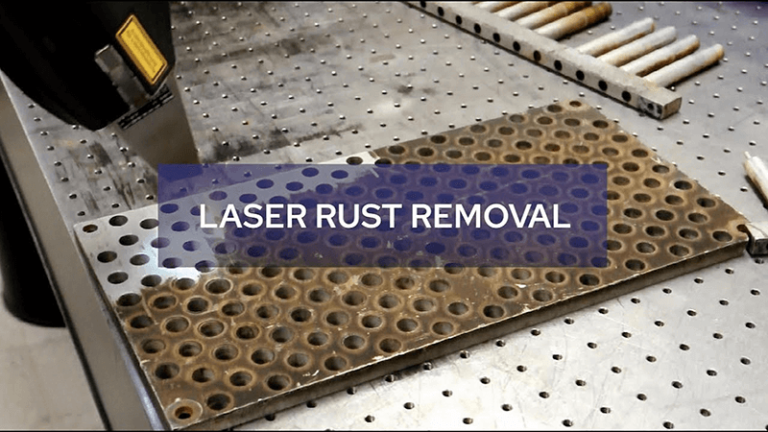
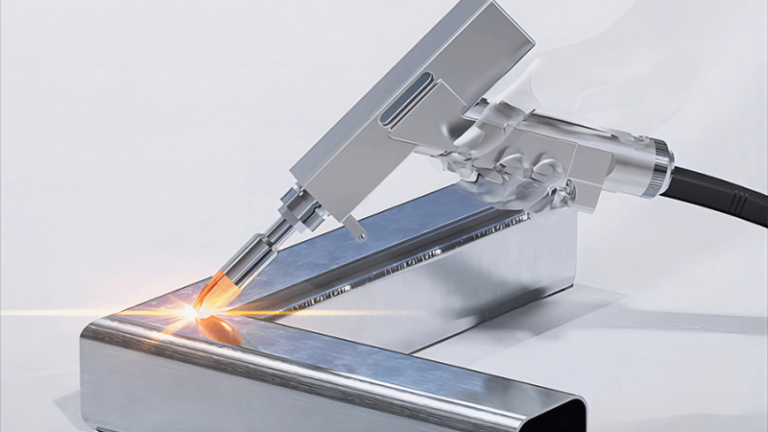
The easiest way to strip paint is usually the one that gives me stable results with the fewest extra steps. For many metal parts, I find pulsed laser cleaning to be the easiest option because it needs no abrasive media, no chemical soaking, and no direct contact with the surface.
When I say “easy,” I do not mean only simple to start. I mean easy to manage every day. In real factory work, easy means the process is clean, repeatable, safe for the workpiece, and not too hard to train. This is why I usually lean pulsed for paint stripping. It gives me tighter control, cleaner edges, and less heat into the base metal. When a buyer asks me about CW laser cleaning, my first question is simple: are you stripping paint, or just trying to blast through it fast?
Why I often choose pulsed laser cleaning first
Pulsed laser cleaning gives me a better balance between removal power and surface protection. That is important when I work with coated metal that still needs a good finish after cleaning. I can remove the paint layer without treating the base metal too aggressively. This matters a lot in parts that will be repainted, welded, or inspected later.
I remember a client who struggled with chemical paint removal1. His process was slow. It was messy. It also cost more than he expected because of labor, waste handling, and inconsistent results. Some parts came out clean. Some still had coating left in corners. Some needed rework. We switched him to a pulsed laser cleaning machine. He was surprised by how clean and precise the result was. The base metal stayed in good condition. His rework rate dropped fast, and honestly, he never looked back.
What makes a method truly easy in production
I usually judge paint stripping methods by five things: setup, control, cleanliness, surface safety2, and repeatability. A method may look cheap at the start, but if it adds cleanup, part damage, or high operator skill needs, it is not really easy.
| Method | Daily Operation | Surface Control | Mess Level | Risk to Base Metal | Repeatability |
|---|---|---|---|---|---|
| Chemical stripping | Medium to hard | Medium | High | Medium | Medium |
| Sanding or abrasive blasting | Medium | Low to medium | High | Medium to high | Medium |
| CW laser cleaning | Medium | Medium | Low | Medium | Medium |
| Pulsed laser cleaning | Easy to medium | High | Low | Low | High |
My view from Kirin Laser
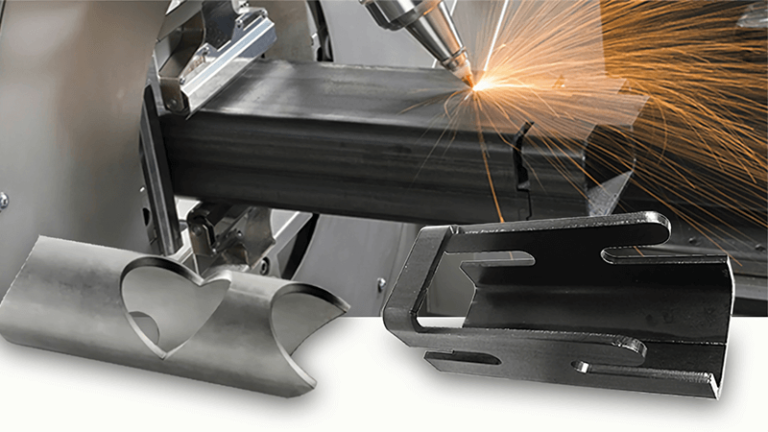
At Kirin Laser, we build OEM and industrial laser machines for real production needs. That includes laser cleaning machines, laser welding machines, laser cutting machines, and laser marking machines. When the job is paint stripping, I do not push one answer for every case. Still, I often guide buyers toward pulsed laser cleaning3 because it solves the pain points that hurt long-term production. It helps me strip paint in a cleaner and more controlled way. It also helps my customer protect the value of the part under the coating. For many buyers, that is what “easy” should mean.
What can I strip paint with?
A lot of people ask this question as if all paint removal tools do the same job. I do not see it that way. Different tools remove paint in very different ways, and the wrong choice can turn a simple job into a quality problem.
I can strip paint with chemicals, abrasives, hand tools, heat, or laser cleaning systems. For industrial metal parts, I usually prefer laser cleaning because it gives me better process control, less mess, and a cleaner surface for the next step.
When I speak with U.S. buyers like procurement managers and distributors, I know they care about more than paint removal alone. They care about labor cost4, finish quality, safety, training, and after-sales support. That is why I always frame this question around actual use.
Common tools and methods for paint stripping
There are many ways to remove paint. Each one has a place. The problem is that people often use a method because it is familiar, not because it is the best fit.
Chemical strippers
Chemical strippers can soften or dissolve paint. They work on many coatings, and they can reach uneven surfaces. Still, I often see problems with chemical residue5, operator exposure, storage rules, and waste treatment. The process can also be slow.
Abrasive blasting
Blasting can remove paint fast. It works well when surface damage is less important. But it creates dust, media handling work, and possible wear on the base metal. It may also leave a rougher surface than I want.
Grinding and sanding
These are common for small jobs. They are simple, but they are labor-heavy and hard to keep consistent. They also make it easy to overwork edges and thin areas.
Heat-based methods
Heat guns and thermal methods can help on some coatings. But they can be hard to control on metal parts with heat sensitivity or layered coatings.
Laser cleaning
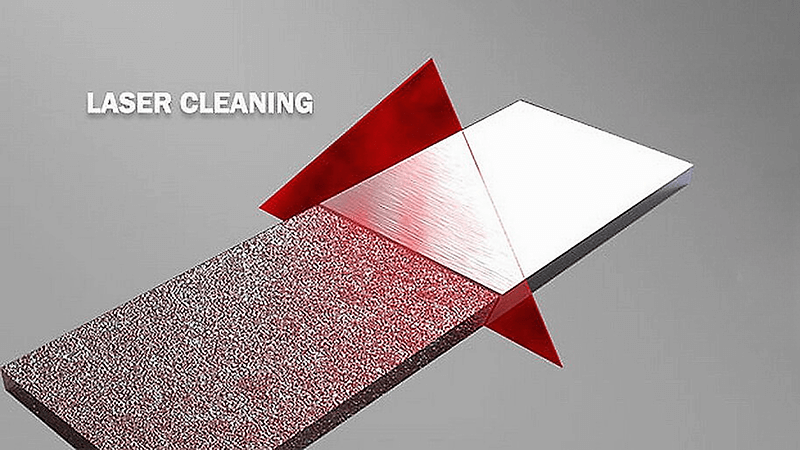
Laser cleaning is where I place the most attention today. It is not one thing. I need to separate pulsed laser cleaning and CW laser cleaning because they behave differently in paint stripping.
Pulsed vs CW for paint stripping
This is where many buyers need clear guidance. In my view, pulsed laser cleaning6 is usually better for paint stripping when I care about finish quality, precision, and low heat input. CW laser cleaning7 can work, but I see it more as a rougher and more force-driven option in many stripping cases.
| Option | Best Use Case | Paint Removal Precision | Heat Input | Edge Quality | Typical Recommendation |
|---|---|---|---|---|---|
| Pulsed laser cleaning machine | Paint stripping with surface protection | High | Low | Clean | My first choice |
| CW laser cleaning machine | Fast removal in less sensitive cases | Medium | Higher | Less refined | Case by case |
How I help buyers choose
At Kirin Laser, I do not answer this question with a product list alone. I start with the part. I ask about the coating type, thickness, base material, target finish, cycle time, and whether the part will be painted again, welded, or inspected after cleaning. These details decide the right system.
If the buyer wants clean paint removal from metal with low risk to the substrate, I usually recommend a pulsed laser cleaning machine. If the buyer is focused on speed and the surface is less sensitive, then I may discuss CW options too. Still, I stay careful here. Fast removal is not always lower cost. If the part gets damaged or needs rework, the process is no longer efficient.
In simple terms, I can strip paint with many tools. But from the Kirin Laser point of view, I want a tool that gives me stable quality and strong production value. That is why laser cleaning keeps standing out.
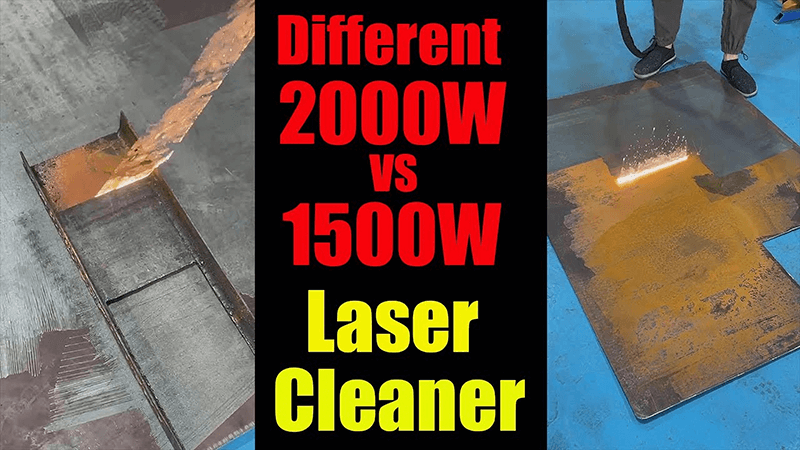
How to remove paint from galvanized metal?
This is one of the most important questions because galvanized metal is not like plain steel. I need to think about the coating under the paint, not just the paint on top.
To remove paint from galvanized metal, I need a method that can take off the paint without damaging the zinc layer too much. I usually prefer a pulsed laser cleaning machine because it gives me fine control and helps me strip the paint with less heat and less surface disruption.
Galvanized metal adds a second layer of risk. If I remove the paint but damage the zinc coating, I may solve one problem and create another one. That is why I do not treat galvanized metal like standard painted steel.
Why galvanized surfaces need more care
The zinc layer on galvanized metal8 protects the base metal from corrosion. If I strip paint too aggressively, I can reduce that protective value. This can hurt the part later, especially in outdoor or industrial use. So I always think about two goals at the same time: remove the paint and protect as much of the galvanized layer as possible.
Chemical methods may soften the paint, but they can introduce residue and extra cleaning steps. Abrasive methods may strip the paint fast, but they can also wear down the zinc layer. Heat-heavy methods may change the surface more than I want. This is why controlled laser cleaning9 becomes very attractive.
Why I lean pulsed laser cleaning on galvanized metal
Pulsed laser cleaning gives me a more refined way to work. I can tune the process to focus on the paint layer first. I can also reduce unnecessary heat going into the surface. This does not mean every galvanized job is identical. It means I have more room to optimize.
Here is how I usually think through the job:
| Factor | Why It Matters on Galvanized Metal | My Preferred Approach |
|---|---|---|
| Paint thickness | Thick paint needs more energy and more passes | Adjust pulse settings and scan speed |
| Zinc layer condition | Weak zinc layer needs gentler treatment | Use lower heat input and test first |
| Surface finish target | Repainting or inspection needs cleaner results | Favor precise removal over raw speed |
| Production volume | High volume needs consistency | Build repeatable cleaning parameters |
| Edge and corner detail | Small areas are easy to overwork | Use pulsed control for better accuracy |
My practical approach from the factory side
When a customer asks me how to remove paint from galvanized metal, I do not jump straight to power numbers. I begin with sample testing10. I want to see the coating stack, the part shape, and the finish target. This is where real application support matters. A machine alone is not the full answer. Process setup matters just as much.
At Kirin Laser, I see laser cleaning as a system decision. The source type, scanning behavior, operator workflow, and support all play a part. On galvanized metal, this becomes even more important. I want the buyer to avoid short-term thinking. A rough method may remove paint today, but if it weakens corrosion protection and raises future defects, it is not the right solution.
So my answer is simple but careful. Yes, I can remove paint from galvanized metal with laser cleaning. And in most cases, I will look first at a pulsed laser cleaning11 machine because it gives me the best chance to protect the base structure while removing the coating cleanly. That is the kind of result I want my customers to trust.

Can rubbing alcohol strip paint?
This question comes up a lot because rubbing alcohol is easy to get, cheap, and familiar. I understand why people ask. They want a simple shop-floor answer.
Rubbing alcohol can help soften or clean some light paint residues, inks, or fresh coatings, but it is not a reliable industrial method for stripping cured paint from metal. For serious paint removal, I do not treat rubbing alcohol as a true stripping solution.
I think this question matters because it shows the gap between light cleanup and real paint stripping. Many people mix those two ideas. In practice, they are not the same.
What rubbing alcohol can and cannot do
Rubbing alcohol may help remove surface dirt, oil, marker, adhesive traces12, or some very light coating contamination. On certain paints, especially if they are still fresh or weakly bonded, it may soften the surface a little. But that is very different from full paint removal in an industrial setting.
When I deal with painted metal parts, I usually face cured coatings, layered finishes, primers13, or coatings built for strong adhesion. Rubbing alcohol is not designed for that level of work. Even when it affects the surface, the result is often patchy and slow. That means more manual effort, poor consistency, and unclear finish quality.
| Question | Rubbing Alcohol | Pulsed Laser Cleaning Machine |
|---|---|---|
| Can it remove light residue? | Yes | Yes |
| Can it strip cured industrial paint well? | Usually no | Yes, in many cases |
| Is it clean for large-scale production? | No | Yes |
| Is the result consistent? | Low consistency | High consistency |
| Is it suitable for metal surface prep? | Limited | Strong fit |
Why I do not recommend it for serious paint stripping
From the Kirin Laser point of view, I focus on methods that scale. I care about what works not just on one small test spot, but across a real batch of parts. Rubbing alcohol fails that test in most paint stripping jobs. It may create false confidence because it looks like it is doing something on the surface. But when I measure labor, time, consistency, and finish quality, it rarely makes sense.
This is also where buyers need to think beyond material cost. A cheap bottle of solvent can look attractive. But if the operator spends too much time scrubbing, if the paint comes off unevenly, or if a second cleaning step is still needed, the real cost climbs fast.
My real answer to buyers
If a buyer asks me whether rubbing alcohol can strip paint, I answer directly. It is not the method I would choose for industrial paint stripping. At best, it is a light cleaning aid in a narrow case. It is not a replacement for a dedicated process.
For customers who want a clean, modern, and repeatable stripping solution, I guide them back to laser cleaning. If the job is precision paint removal, I usually recommend pulsed laser cleaning14. If the customer is comparing with CW, I ask again what matters more: controlled stripping quality or raw speed15. That question helps clarify the right path.
At Kirin Laser, I want customers to move away from trial-and-error methods that waste labor and create uneven quality. Rubbing alcohol belongs more to light cleanup than serious coating removal. For real paint stripping, I choose a process I can trust.
Conclusion
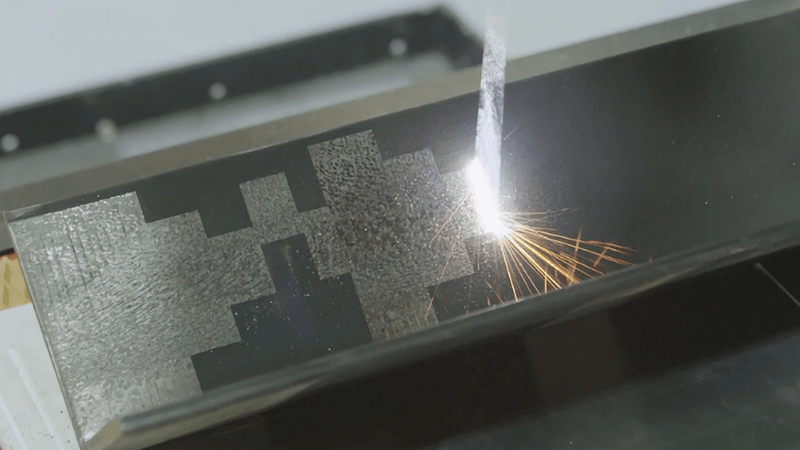
When I look at paint stripping from the Kirin Laser angle, I do not chase the fastest answer alone. I look for control, consistency, and protection of the base material. That is why I usually lean toward pulsed laser cleaning machines for paint removal. They give me cleaner edges, lower heat input, and better results on sensitive surfaces like galvanized metal. CW laser cleaning has its place, but I treat it more carefully in paint stripping work. My goal is simple. I want a method that removes paint well, lowers rework, and helps buyers build a more reliable production process.
-
Learn about the drawbacks of chemical paint removal, including labor costs, waste handling, and inconsistent results, and why alternatives might be better. ↩
-
Understand how pulsed laser cleaning minimizes risk to the base metal, ensuring the surface remains in good condition for further processing. ↩
-
Explore how pulsed laser cleaning offers a balance between removal power and surface protection, making it ideal for maintaining the integrity of coated metals. ↩
-
Understanding labor cost is crucial for choosing the most efficient paint stripping method, balancing expenses with quality and speed. ↩
-
Exploring chemical residue effects helps in selecting safer and more environmentally friendly paint stripping methods. ↩
-
Pulsed laser cleaning offers precision and low heat input, making it ideal for sensitive surfaces and high-quality finishes. ↩
-
CW laser cleaning is suitable for fast removal in less sensitive cases, understanding its use can optimize efficiency. ↩
-
Understanding the zinc layer's role in corrosion protection can help you make informed decisions about maintaining galvanized surfaces. ↩
-
Exploring controlled laser cleaning can reveal how it minimizes damage to sensitive layers like zinc while effectively removing paint. ↩
-
Sample testing ensures the cleaning process is tailored to the specific needs of the metal, preventing damage and ensuring optimal results. ↩
-
Learning about pulsed laser cleaning can show you how it offers precision and protection for delicate surfaces during paint removal. ↩
-
Explore how rubbing alcohol effectively cleans surface dirt, oil, marker, and adhesive traces, providing insights into its practical applications. ↩
-
Understand why rubbing alcohol struggles with cured coatings and primers, highlighting its limitations in industrial paint stripping. ↩
-
Discover the advantages of pulsed laser cleaning over traditional methods, offering a modern solution for precision paint removal. ↩
-
Learn about the importance of controlled stripping quality compared to raw speed, aiding in choosing the right paint removal method. ↩