Many factories still struggle with rust, oil, and oxide on precision parts. Traditional cleaning methods often damage surfaces or slow production. I have faced this problem many times when working with molds and sensitive components. The challenge is clear: how do we remove contaminants without touching the base material?
Laser cleaning solves this problem by using controlled bursts of laser energy to remove contaminants from surfaces without damaging the underlying material. A pulsed laser cleaning machine targets rust, oil, coatings, or oxide layers with high precision. The contamination absorbs the energy and vaporizes instantly, while the base metal stays intact.
When I started working in the laser equipment industry, I saw many factories switching from chemical cleaning and abrasive blasting to laser technology. At Kirin Laser, we design laser cleaning machines that help manufacturers clean precision parts safely, efficiently, and with very little waste.

What is Laser Cleaning & How it works?
Many manufacturers still rely on sandblasting or chemicals to remove rust and coatings. The problem is simple. These methods are messy, slow, and sometimes destructive. I have seen delicate molds ruined because traditional cleaning methods removed more material than intended.
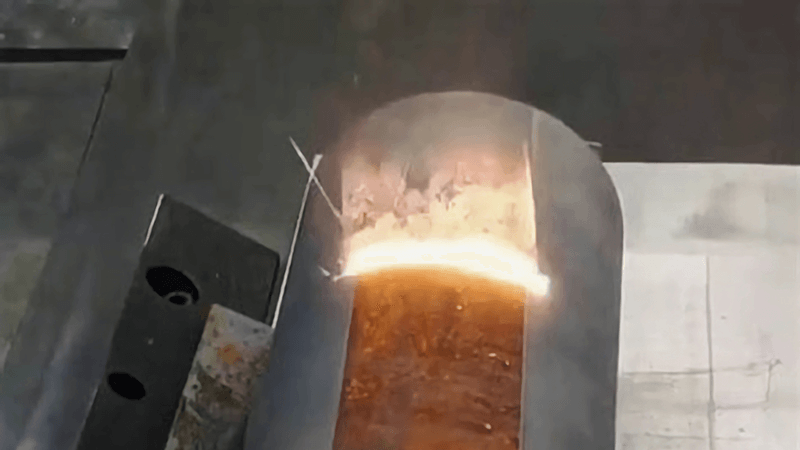
Laser cleaning is a non-contact surface treatment process that uses focused laser pulses to remove contaminants such as rust, oxide, oil, paint, or coatings. The laser energy is absorbed by the unwanted layer, which heats up rapidly and vaporizes or detaches from the surface while the base material remains unharmed.
How Laser Cleaning Removes Contaminants
Laser cleaning works because different materials absorb laser energy differently. Rust and oxide absorb energy faster than solid metal. This difference allows the laser to target contamination while leaving the base intact.
At Kirin Laser, we design pulsed laser cleaning machines1 because they provide excellent control over the cleaning process.
Key Elements of Laser Cleaning Technology
| Element | Description | Benefit |
|---|---|---|
| Pulsed Laser Source | Generates controlled short bursts of laser energy | Precise cleaning without overheating |
| Beam Control System | Directs the laser to the target surface | Accurate cleaning areas |
| Adjustable Power | Allows operators to control intensity | Safe for delicate components |
| Non-contact Process2 | No physical contact with the material | Prevents surface damage |
Why Pulsed Laser Cleaning Works Well for Precision Parts
I have worked with many precision molds and electronic components3. What impressed me most about pulsed laser cleaning is how controlled the process feels. The laser fires ultra-short bursts of energy. Rust, oil, or oxide absorbs the energy instantly. The contamination pops off the surface.
The base material does not absorb the same energy level. So the metal stays intact.
This matters a lot when dealing with precision equipment. Many molds cost thousands of dollars. A small scratch can ruin their tolerance. Traditional grinding methods always carry risk.
Laser cleaning removes only what should not be there.
Why Kirin Laser Focuses on Laser Cleaning Solutions
At Kirin Laser, we manufacture and OEM several types of laser machines. These include:
- Laser cleaning machines
- Laser welding machines
- Laser cutting machines
- Laser marking machines
Laser cleaning machines have become one of the most requested solutions from our global partners. Distributors and industrial users want a cleaner process that reduces labor, chemicals, and downtime4.
Laser cleaning meets all those needs.
How Does Laser Cleaning Work in 5 Steps?
Many people ask me a simple question when they first see a laser cleaning machine. They ask, "What exactly happens when the laser touches the rust?" It looks almost like magic, but the process follows a very clear sequence.
Laser cleaning works through five main steps: laser generation, beam delivery, energy absorption, contaminant removal, and surface restoration. Each step uses controlled laser pulses to remove unwanted layers without damaging the underlying material.
Step 1: Laser Generation
The machine produces a high-energy laser beam using a fiber laser source. At Kirin Laser, we typically use pulsed fiber lasers5 because they offer stable performance and precise control.
The laser energy is generated in short pulses. This prevents heat buildup on the surface.
Step 2: Beam Delivery
The laser beam travels through optical fibers to the cleaning head. The operator directs the beam toward the contaminated surface.
The system can also use scanning mirrors6. These mirrors move the laser rapidly across the surface.
Step 3: Energy Absorption
This is where the real cleaning happens.
Rust, oil, paint, and oxide absorb laser energy quickly. The contamination layer heats up almost instantly.
The base metal reflects most of the energy.
Step 4: Contaminant Removal
Once the contamination absorbs enough energy, it breaks apart or vaporizes. This process is called laser ablation7.
Particles detach from the surface and leave the material clean.
Step 5: Surface Restoration
After the contaminant disappears, the base metal remains intact. No grinding occurs. No chemicals remain.
The surface keeps its original structure.
The Five-Step Laser Cleaning Process
| Step | Process | Result |
|---|---|---|
| 1 | Laser energy generated | Stable pulsed beam |
| 2 | Beam directed to surface | Accurate targeting |
| 3 | Contaminant absorbs energy | Rapid heating |
| 4 | Rust or coating breaks away | Surface cleared |
| 5 | Base metal exposed | Material remains intact |
Why This Matters for Precision Equipment
I always tell customers one thing. Precision equipment needs precision cleaning8.
If you grind rust from a mold, you remove metal along with rust. Over time the mold loses accuracy.
Laser cleaning avoids that problem.
The laser only removes the unwanted layer. That is why pulsed laser machines are widely used for:
- Injection molds
- Aerospace parts
- Electronics components
- Automotive tools
Factories now expect cleaning solutions that protect their expensive equipment. Laser cleaning delivers exactly that.

How Laser Cleaning Machines Are Revolutionizing Industrial Maintenance in Your Factories?
Industrial maintenance has always been a challenge. Rust forms quickly. Oil residue builds up on machines. Paint and coatings degrade over time. Maintenance teams spend many hours cleaning equipment using outdated methods.
Laser cleaning machines are transforming industrial maintenance by providing a fast, non-contact, environmentally friendly cleaning process that removes rust, coatings, and contaminants while protecting the original material surface.
The Problems with Traditional Cleaning Methods
In many factories, I still see the same tools used for cleaning.
Sandblasting.
Chemical solvents.
Grinding wheels.
Each method has clear problems.
| Method | Problem | Impact |
|---|---|---|
| Sandblasting | Abrasive damage | Surface wear |
| Chemical Cleaning | Hazardous waste | Environmental risk |
| Grinding | Material removal | Precision loss |
| Manual Scraping | Slow process | High labor cost |
Factories today cannot afford these inefficiencies.
Production lines run faster than ever. Equipment must stay clean without long shutdowns.
How Laser Cleaning Changes Maintenance
Laser cleaning machines solve many maintenance problems at once.
First, the process is non-contact. The laser never physically touches the material.
Second, the process is precise. Operators can clean very small areas without affecting surrounding parts.
Third, the process is clean. No chemicals are required.
Benefits for Industrial Factories
| Benefit | Description |
|---|---|
| Faster maintenance | Cleaning takes minutes instead of hours |
| No chemicals | Reduces environmental impact |
| Precision cleaning | Ideal for molds and sensitive equipment |
| Lower operating costs | Less consumables and labor |
Real Use Cases I Have Seen
Many Kirin Laser customers9 use laser cleaning machines in different industries.
Automotive factories clean welding seams before joining metal parts.
Aerospace manufacturers remove oxide layers from aluminum components.
Electronics companies clean delicate connectors without damaging circuits.
Each application benefits from the same principle: precise energy control.
Why Distributors and Factories Choose Kirin Laser
At Kirin Laser, we focus on OEM manufacturing and customizable laser machines. Many of our partners are distributors who want reliable machines they can brand and sell in their markets.
Our laser cleaning machines offer:
- Stable fiber laser sources
- Adjustable power settings
- Portable or handheld designs
- Industrial durability
We also support our partners with technical guidance and product customization.
Factories today want smarter maintenance tools. Laser cleaning machines10 have become one of the most practical solutions.
How do the lasers that remove rust works?
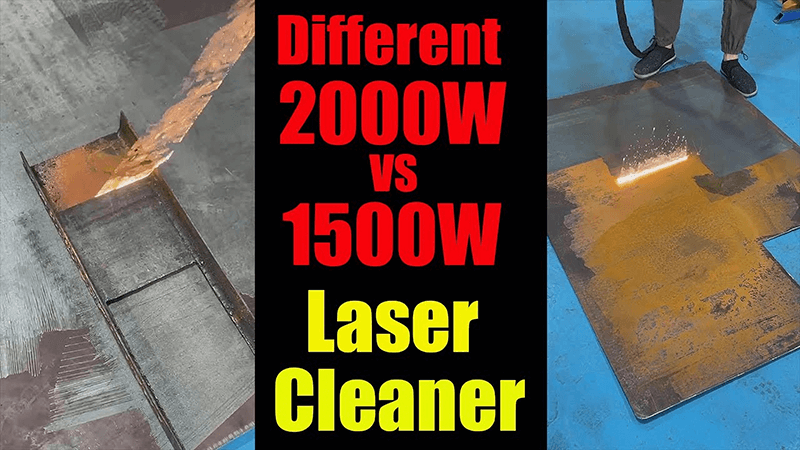
Rust removal is one of the most common uses for laser cleaning machines. I often show customers a rusted metal plate and clean it in seconds. The reaction is always the same. They ask how a beam of light can remove rust so quickly.
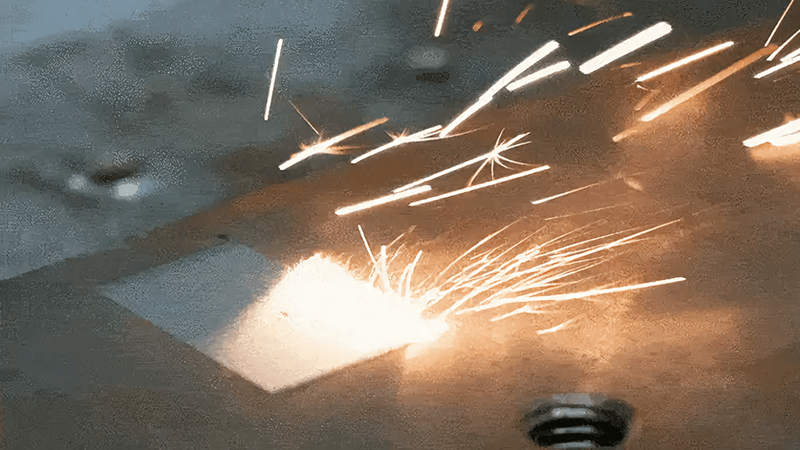
Rust removal lasers work by delivering short pulses of high-energy light that are absorbed by iron oxide. The rust layer heats rapidly and breaks away from the metal surface, while the underlying steel reflects the energy and remains undamaged.
Why Rust Absorbs Laser Energy
Rust is iron oxide. It has different physical properties than steel.
Iron oxide absorbs laser energy efficiently11. Steel reflects more of the light.
This difference allows the laser to selectively remove rust.
Rust Removal Process
| Stage | What Happens |
|---|---|
| Laser pulse hits surface | Energy delivered instantly |
| Rust absorbs energy | Rapid heating occurs |
| Oxide layer expands | Rust detaches |
| Surface clears | Clean metal exposed |
Advantages Over Mechanical Rust Removal
Mechanical methods remove rust through force. Grinding wheels and sandblasting physically scrape the surface.
This process removes metal along with rust.
Laser cleaning does not rely on force. It relies on controlled energy.
That means the steel underneath stays untouched.
My Experience with Pulsed Laser Rust Removal
I remember working with precision molds that developed oxidation after storage. Traditional cleaning methods would have damaged the mold surface.
We used a pulsed laser cleaning machine instead.
The laser fired short bursts of energy. Rust disappeared almost instantly.
The mold surface remained perfectly smooth.
That experience convinced me how powerful this technology is.
Why Pulsed Laser Systems Work Best
At Kirin Laser, we usually recommend pulsed laser cleaning machines for rust removal on precision equipment.
Pulsed lasers provide better control than continuous wave lasers.
They allow operators to adjust:
- pulse frequency
- energy level
- scanning speed
These controls help users clean rust without overheating sensitive parts.
That level of control is exactly what factories need when dealing with expensive tools and machinery.
Conclusion
Laser cleaning has become one of the most advanced surface treatment technologies in modern manufacturing. I have seen how pulsed laser cleaning machines remove rust, oil, and oxide without touching the base material. The process is precise, fast, and environmentally friendly. At Kirin Laser, we build laser cleaning machines that help factories maintain precision equipment while reducing downtime and maintenance costs. For industries that rely on accuracy and efficiency, laser cleaning is no longer just an option. It is becoming the standard solution for industrial surface preparation and equipment maintenance.
-
Explore how pulsed laser cleaning machines offer precise control and efficiency, making them ideal for delicate and precision parts. ↩
-
Learn why the non-contact process is crucial for maintaining the integrity of sensitive materials during laser cleaning. ↩
-
Discover how pulsed laser cleaning ensures the safety and accuracy of expensive precision molds and electronic components. ↩
-
Understand the advantages of laser cleaning in minimizing labor costs, chemical usage, and operational downtime. ↩
-
Understanding the advantages of pulsed fiber lasers can help you appreciate their role in achieving stable performance and precise control in cleaning processes. ↩
-
Learning about scanning mirrors will reveal how they enhance the efficiency and accuracy of laser cleaning by rapidly moving the laser across surfaces. ↩
-
Exploring laser ablation will provide insights into how this process effectively breaks apart or vaporizes contaminants without damaging the base material. ↩
-
Discovering the importance of precision cleaning will highlight how it prevents damage to expensive equipment, maintaining their accuracy and longevity. ↩
-
Exploring the industries that use Kirin Laser's technology can provide insights into its versatility and effectiveness across different applications. ↩
-
Laser cleaning machines offer a modern solution to maintenance problems, providing efficiency and precision without the drawbacks of traditional methods. ↩
-
Understanding why iron oxide absorbs laser energy efficiently can help you appreciate the effectiveness of laser rust removal technology. ↩