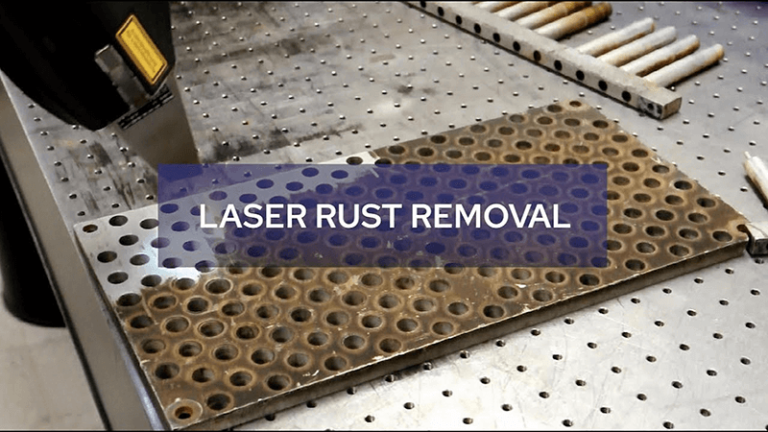
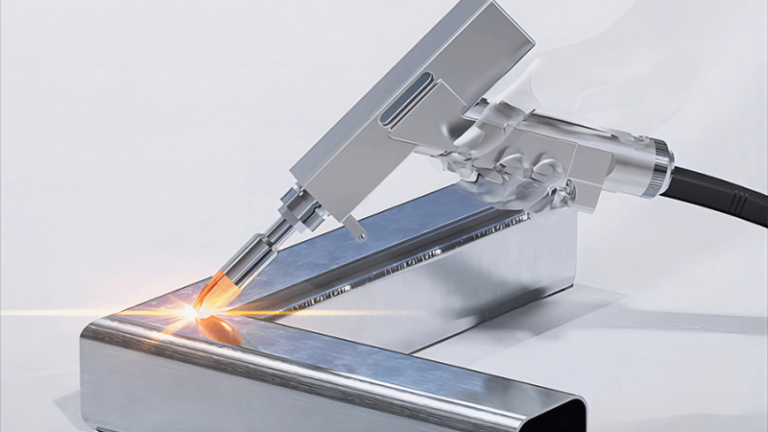
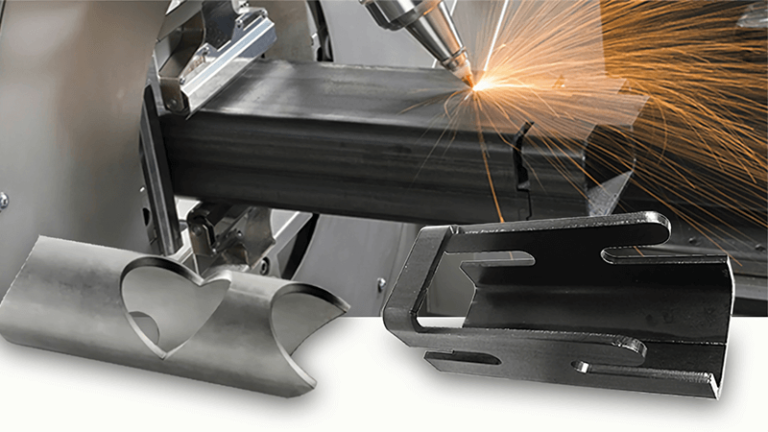
Rust is a common problem in metal processing. I often see companies struggle with old cleaning methods like sandblasting or chemicals. These methods are messy and can damage the metal surface. Many buyers ask me if there is a cleaner and safer solution.
Yes, you can use a laser to remove rust from metal. Laser cleaning machines use focused light energy to vaporize rust and contaminants without damaging the base metal. Pulsed lasers work best for precision cleaning, while CW lasers are ideal for heavy rust on large surfaces.
Many people still think rust removal must involve grinding or blasting. That is not true anymore. Laser cleaning technology has changed the way we maintain metal parts. I have seen factories improve efficiency and protect valuable components by switching to laser rust removal.

Do Rust Removing Lasers Work?
Rust can ruin metal parts, molds, and industrial equipment. Many companies waste time and money removing rust with methods that damage the material. I often hear customers complain about surface scratches and inconsistent results from traditional cleaning methods.
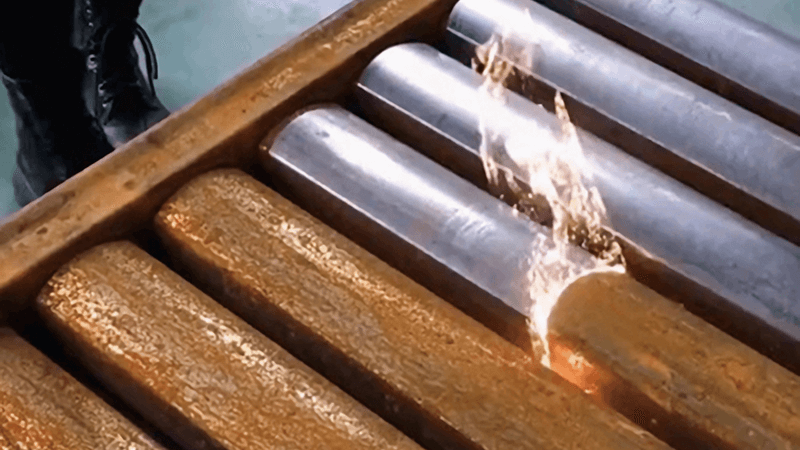
Yes, rust removing lasers work very effectively. Laser cleaning removes rust by directing high-energy laser pulses onto the metal surface. The rust layer absorbs the energy and vaporizes, while the base metal reflects the laser and remains intact.
How Laser Rust Removal Works
Laser rust removal relies on the different absorption rates between rust and metal. Rust absorbs laser energy quickly. Clean metal reflects more energy. This difference allows the machine to remove rust without harming the surface underneath.
Pulsed Laser vs CW Laser
From my experience at Kirin Laser, the type of laser matters a lot. Different jobs require different technologies.
| Laser Type | Best For | Advantages | Limitations |
|---|---|---|---|
| Pulsed Laser Cleaning Machine1 | Precision cleaning | Minimal heat, high accuracy | Slower on heavy rust |
| CW Laser Cleaning Machine2 | Heavy rust removal | Fast cleaning on large surfaces | Less precise for delicate parts |
My Experience With a Customer
I remember one customer who restored old steel molds. Rust kept damaging the surface finish. They tried sandblasting, but it was too aggressive. The mold surfaces became rough.
So we recommended a pulsed laser cleaning machine.
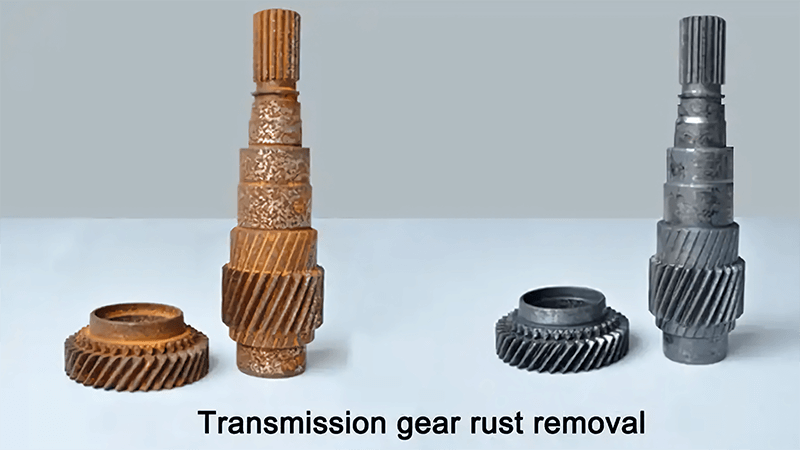
The results were impressive. The rust disappeared, and the mold surface stayed smooth. The customer could restore valuable molds instead of replacing them.
Later, the same customer faced heavy rust on large steel frames. In that case, we suggested adding a CW laser cleaning machine. That machine worked faster and handled large areas easily.
Why Laser Cleaning Is Reliable
Laser cleaning works well because it is controlled and repeatable. Operators can adjust the power, frequency, and scanning speed. This control allows consistent rust removal across different materials and surfaces.
That is why many industries now choose laser cleaning over traditional rust removal methods.
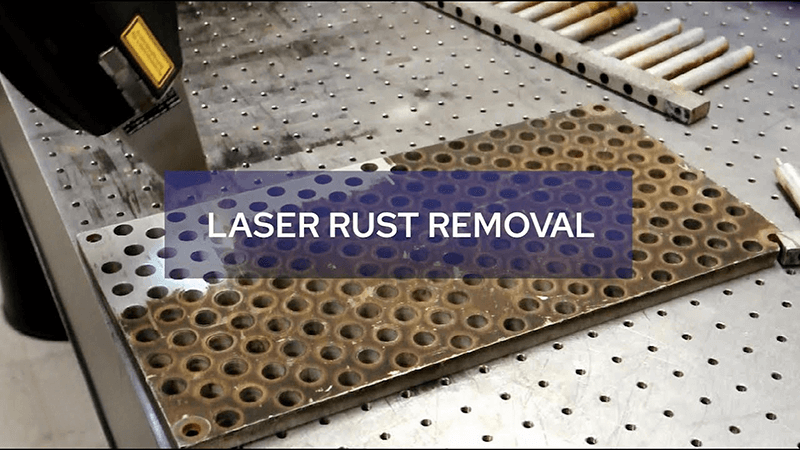
What Kind of Laser Removes Rust from Metal?
Many people think all lasers work the same way. That is not true. The laser type determines how effective the rust removal process will be. Choosing the wrong system can slow production or damage delicate parts.
Fiber laser cleaning machines are the most common tools for removing rust from metal. In industrial applications, pulsed fiber lasers are used for precision cleaning, while continuous wave (CW) fiber lasers are used for high-speed rust removal on large surfaces.
Fiber Laser Technology
At Kirin Laser, we mainly use fiber laser sources3 for rust removal machines. Fiber lasers offer strong performance and stable output.
They have several advantages:
- High energy efficiency
- Stable beam quality
- Long service life
- Low maintenance requirements
These features make fiber lasers ideal for industrial cleaning.
Pulsed Laser Cleaning Machines
I usually recommend pulsed laser cleaning machines4 for customers who work with precision components.
Common applications include:
- Mold cleaning
- Aerospace components
- Automotive parts
- Electronics manufacturing
Pulsed lasers produce short bursts of energy. These pulses remove rust and contaminants layer by layer. The heat effect stays very low, which protects the base metal.
CW Laser Cleaning Machines
CW laser cleaning machines operate differently. They emit a continuous beam instead of pulses.
This design allows higher cleaning speed.
Typical applications include:
- Steel structure cleaning
- Shipyard maintenance
- Bridge rust removal
- Large industrial equipment
CW lasers remove rust quickly from large surfaces. That is why many heavy industries prefer them.
Choosing the Right Laser Cleaning Machine
I always tell buyers to focus on three factors:
| Factor | Why It Matters |
|---|---|
| Rust thickness | Heavy corrosion needs more power |
| Surface precision | Delicate parts need pulsed lasers |
| Cleaning area | Large surfaces need faster machines |
When buyers understand these factors, choosing the right laser cleaning system becomes much easier.
How to Permanently Remove Rust from Metal?
Many people ask me if rust can be removed permanently. The truth is rust will always return if the metal is exposed to moisture and oxygen. Rust removal is only one part of the solution.
To permanently control rust, you must remove the corrosion completely and protect the metal surface afterward. Laser cleaning is ideal for rust removal because it removes rust thoroughly without damaging the base metal, which allows proper protective coatings to be applied.
Step 1: Remove Rust Completely
Incomplete rust removal causes corrosion to return quickly. Traditional methods often leave microscopic rust particles behind.
Laser cleaning5 solves this problem.
The laser removes rust down to the clean metal layer. The process is very precise. Operators can visually confirm when the metal surface becomes clean.
This level of control improves long-term protection.
Step 2: Inspect the Metal Surface
After rust removal, I always recommend inspecting the surface.
Look for:
- Pitting damage
- Surface cracks
- Structural wear
Laser cleaning helps with inspection because it reveals the true condition of the metal.
Step 3: Apply Protective Coatings
Rust prevention requires protective layers.
Common options include:
| Protection Method | Description |
|---|---|
| Anti-rust coating | Prevents moisture exposure |
| Powder coating | Durable protective finish |
| Galvanization | Zinc coating protects steel |
| Industrial paint | Cost-effective rust prevention |
Clean metal surfaces improve coating adhesion. Laser cleaning creates ideal conditions for these protective layers.
Step 4: Maintenance and Monitoring
Rust prevention is an ongoing process. Regular inspection and cleaning help maintain metal equipment.
Many factories now use portable laser cleaning machines for maintenance work. Operators can remove early corrosion before it becomes severe.
Why Laser Cleaning Supports Long-Term Rust Prevention
Laser cleaning does not just remove rust. It prepares the metal surface for long-term protection.
That is why many industries now integrate laser cleaning into their maintenance routines.
How Long Do Laser Rust Removers Last?
When buyers consider laser cleaning machines, they often ask about durability. Industrial equipment must operate reliably for many years. A machine that fails quickly will not provide a good return on investment.
Most fiber laser rust removal machines last 8 to 15 years in industrial use. The laser source itself can operate for up to 100,000 hours, which makes laser cleaning machines one of the most durable metal cleaning solutions available.
Key Components That Affect Lifespan
A laser cleaning machine includes several important components.
| Component | Function | Expected Lifespan |
|---|---|---|
| Fiber laser source6 | Generates laser beam | Up to 100,000 hours |
| Scan head | Controls beam movement | 5–10 years |
| Cooling system | Maintains temperature | 5–8 years |
| Control system | Software and electronics | 8–10 years |
Regular maintenance helps extend the lifespan of these components.
Why Fiber Lasers Last Longer
Fiber lasers have fewer moving parts than traditional industrial equipment.
This design reduces mechanical wear. It also lowers maintenance costs.
Many Kirin Laser customers operate their machines daily for several years with very little downtime.
Real-World Example
One of our customers in the automotive parts industry purchased a pulsed laser cleaning machine7 several years ago. They used it to remove rust from metal fixtures and molds.
The machine still runs smoothly today.
They later added a CW laser cleaning machine to handle heavy rust on steel frames. The combination improved their cleaning efficiency significantly.
Maintenance Tips
I always recommend simple maintenance practices.
- Keep optical components clean
- Check cooling systems regularly
- Avoid extreme dust environments
- Follow operating guidelines
These steps help ensure stable performance for many years.

Conclusion
Laser rust removal has become one of the most effective ways to clean metal surfaces. I have seen many companies replace sandblasting and chemical cleaning with laser technology. Pulsed laser cleaning machines provide precise rust removal for delicate components. CW laser cleaning machines handle heavy corrosion on large surfaces. With long lifespans, low maintenance, and excellent cleaning performance, laser rust removers offer a reliable solution for modern industrial maintenance. At Kirin Laser, we focus on delivering these solutions to help our partners improve efficiency and protect valuable metal equipment.
-
Explore how pulsed laser cleaning machines offer precision and minimal heat, making them ideal for delicate surfaces and accurate rust removal. ↩
-
Learn why CW laser cleaning machines are preferred for fast cleaning on large surfaces, especially when dealing with heavy rust. ↩
-
Fiber laser sources are crucial for rust removal due to their strong performance and stable output, making them ideal for industrial cleaning. ↩
-
Pulsed laser cleaning machines are recommended for precision components as they offer low heat effects, protecting the base metal while removing rust efficiently. ↩
-
Laser cleaning offers precise rust removal and prepares surfaces for protection, making it essential for industries focused on long-term maintenance. ↩
-
Understanding the longevity and advantages of Fiber laser sources can help you make informed decisions about investing in durable and efficient laser technology. ↩
-
Exploring the functionality of pulsed laser cleaning machines can reveal how they enhance efficiency in rust removal, especially in automotive applications. ↩